Five Sets for Women? More Entertainment? Where Next for the ‘Glastonbury of Tennis’?
The Australian Open, the sun-drenched season-starter, has long traded on its reputation as the sport’s most convivial major. Dubbed the “Happy Slam” by its greatest ambassador, Roger Federer, its identity is built on vibrant crowds, player-friendly facilities, and a relentless drive for innovation. This year, with Federer himself returning to the Melbourne Park lawns in a nostalgic cameo, the tournament once again smashed attendance records and unveiled fresh spectacles like the fast-paced ‘One Point Slam’. Yet, beneath the glittering surface of another successful edition, subtle tremors and pointed questions emerged, prompting a crucial moment of reflection: Where does the Grand Slam that acts as tennis’s trendsetting festival go from here?
The Federer Effect and the “Happy Slam” Legacy
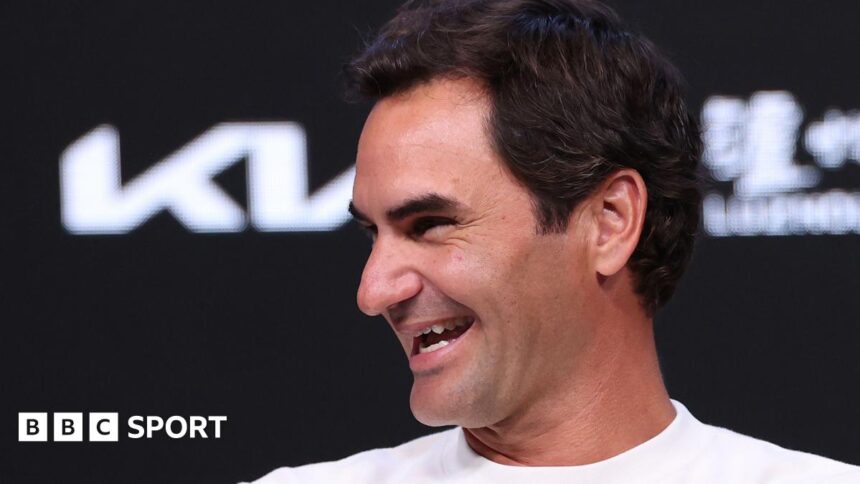
Roger Federer’s influence on the Australian Open is immeasurable. His six titles here cemented his early-career dominance, but his gift of the “Happy Slam” moniker was perhaps his most enduring contribution. This wasn’t just marketing; it reflected a genuine player sentiment. The January timing offers a clean slate, the city’s energy is infectious, and organization is famously top-tier. Federer’s return this year, to a thunderous ovation, was a powerful reminder of this emotional equity. It underscored the tournament’s unique selling point: it’s where tennis feels like a celebration. This atmosphere is no accident. It’s the product of deliberate choices—from night sessions that crackle with electricity to fan zones that feel like festivals. The challenge now is evolving this legacy without diluting the very essence that makes it special.
Innovation vs. Tradition: The Balancing Act
Tournament director Craig Tiley has never been shy about pushing boundaries. This year’s experiment, the ‘One Point Slam’, was a case in point. This knockout shootout, featuring legends and celebrities playing single points for charity, was a viral, entertaining success. It brought new eyeballs and showcased a lighter side of the sport. Such innovations are crucial for growth, making tennis accessible and shareable in a crowded digital landscape.
However, this drive for entertainment-focused additions can sometimes clash with the core product. The extended 15-day schedule, while reducing late finishes, created some eerily quiet early days on the major stadiums, diluting the event’s density and momentum. Furthermore, the discussion around introducing a fifth set for women at Grand Slams, a perennial debate that resurfaced during the tournament, strikes at the heart of this tension. Proponents argue it’s the ultimate step for equality and would produce more dramatic, legacy-defining epics. Critics counter that the current three-set format offers a distinct, often more explosively athletic contest, and that logistical concerns—from broadcast schedules to player physical toll—are significant.
- Equality Argument: Men play best-of-five at Slams; women should have the same opportunity for glory and endurance tests.
- Product Distinctiveness: The WTA’s best-of-three creates a different, often faster-paced strategic product.
- Practical Hurdles: Scheduling nightmares, increased injury risk, and broadcaster resistance are major obstacles.
The Australian Open, as the sport’s boldest innovator, is often the crucible where these ideas are tested. Any move towards five sets for women would fundamentally alter the sport and would likely need a unified front from all four Slams.
Cracks in the Facade: Scheduling, Extremes, and Player Welfare
For all its happiness, the past fortnight revealed systemic pressures. The tournament witnessed a staggering number of withdrawals and retirements mid-match, particularly in the early rounds. While some were due to specific injuries, the sheer volume pointed to a broader calendar issue. Players arrive in Melbourne after a short off-season, often carrying niggles from the previous year. The relentless intensity of the modern tennis calendar was on full display, raising urgent questions about sustainability.
Furthermore, climate change is no longer a distant threat but a present disruptor. While Melbourne’s weather is generally superb, extreme heat remains a recurring challenge. The tournament’s heat policy is robust, but as global temperatures rise, so does the frequency of matches played under stifling, potentially dangerous conditions. This impacts not only player health and performance quality but also the spectator experience. Balancing the desire for outdoor, daytime summer tennis with duty of care is a tightrope walk that will only get more precarious.
The Path Forward: Predictions for Tennis’s Festival
So, what’s next for the Glastonbury of tennis? Based on its history and the currents of this year’s event, several predictions emerge. Firstly, expect the Australian Open to double down on fan experience and digital engagement. More innovations like the ‘One Point Slam’ will appear, perhaps even a mixed-gender team event or tech-driven interactive experiences. The tournament will likely continue to lead conversations around format, though a sudden shift to five sets for women remains a long shot without consensus.
More immediately, player welfare will move to the forefront. We may see:
- Advocacy for a longer off-season from players, with the Australian Open potentially supporting a later start or a more compressed warm-up schedule.
- Investment in advanced cooling technologies for courts and fan areas, not just retractable roofs.
- A serious review of the 15-day format to recapture the tournament’s famed intensity from day one.
The tournament’s greatest strength is its agility. It is less bound by tradition than Wimbledon or Roland-Garros, allowing it to adapt. The future “Happy Slam” will likely be a hybrid: a deeply traditional Grand Slam at its competitive core, wrapped in a festival atmosphere that leverages cutting-edge technology and entertainment to reach a global audience.
Conclusion: More Than Just a Slam
The Australian Open stands at a crossroads. It is buoyed by unprecedented popularity and a brand synonymous with innovation and joy, yet it is not immune to the existential pressures facing professional tennis. The debate over five sets for women symbolizes a deeper quest for evolution and equality. The cracks in player fitness highlight a sport pushing its athletes to the brink. As the first major of the year, Melbourne has a responsibility to set the tone. Its path forward must carefully balance its identity as tennis’s most joyful celebration with its role as a steward of the sport’s future. It must innovate not just for headlines, but for the health of the game and its players. If it can navigate this, the Happy Slam will remain far more than a tournament; it will continue to be the vibrant, essential festival where the tennis year thrillingly begins.
Source: Based on news from BBC Sport.