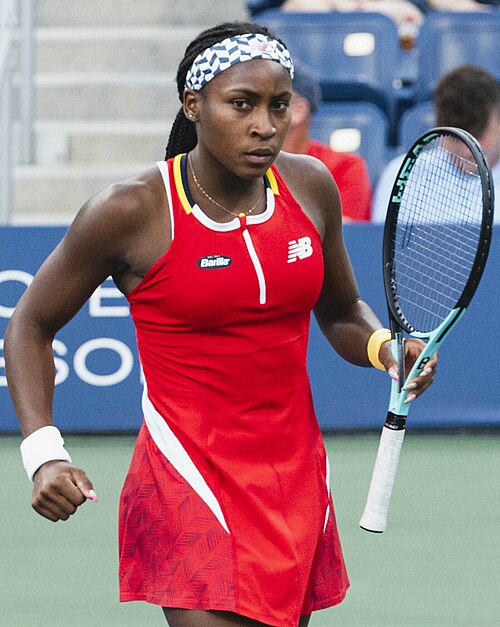
Coco Gauff Champions Pay Equity: The Grand Slam Prize Money Dispute Heats Up
The roar of the crowd has faded from the clay of Roland-Garros and the grass of Wimbledon, but a different, more persistent sound is echoing through the corridors of tennis power: the call for change. At the forefront is Coco Gauff, the reigning US Open champion and one of the sport’s most influential young voices. In a move that signals a new era of player advocacy, Gauff has publicly declared that Grand Slam prize money is “not where we would like it to be,” thrusting a long-simmering financial dispute between the players and the sport’s most prestigious tournaments into the spotlight. This isn’t just about top-tier wealth; it’s a fundamental debate about value distribution, sustainability, and the future of professional tennis.
The Financial Fault Lines: Record Revenue vs. Player Share
On the surface, Grand Slam prize pools have never been higher. The 2024 US Open, for instance, offered a record $65 million in total player compensation. However, players argue these headline figures mask a deeper imbalance. The Grand Slam tournaments—Australian Open, Roland-Garros, Wimbledon, and the US Open—are among the richest annual sporting events in the world, generating colossal revenue from broadcasting rights, sponsorships, and ticket sales. The contention lies in the percentage of that revenue funneled back to the athletes who are the primary draw.
Unlike team sports with collective bargaining agreements guaranteeing a share of revenue (often around 50%), tennis operates on a more discretionary model. The Grand Slams, run by their respective national federations, set their own prize money. Players, through the Professional Tennis Players Association (PTPA) and other voices, argue their share has not kept pace with the events’ explosive commercial growth. “We’re the ones out there performing,” Gauff’s stance implies, “and the economic model needs to reflect our central role.”
- Revenue Sources: Broadcast deals (often hundreds of millions per event), corporate sponsorships, hospitality, and merchandise.
- Player Argument: Their share of total revenue is disproportionately low compared to other major sports.
- Tournament Counterpoint: Significant costs for infrastructure, security, and year-round operations, with profits often reinvested into national grassroots tennis.
Gauff’s Generation: A New Wave of Advocacy
Coco Gauff’s leadership on this issue is significant. As a Grand Slam champion and top-ranked star with immense crossover appeal, she carries a weight that transcends typical player grievances. Her advocacy signals a generational shift. Today’s players are more business-savvy, socially conscious, and willing to leverage their platforms for collective good. They see the stark contrast between the millions earned by champions and the financial struggle of players ranked outside the top 100, who often incur steep travel and coaching costs without guaranteed income.
Gauff’s comments align with the mission of the PTPA, co-founded by Novak Djokovic, which seeks to amplify player voice and ensure they receive fair treatment and a more equitable share of the sport’s financial success. This isn’t a call for charity for the top earners; it’s a push for a trickle-down economic restructuring that would increase prize money across the board, particularly in early rounds and qualifying, making the professional tour viable for a broader range of athletes. The goal is a more sustainable ecosystem where a career in tennis is not a prohibitive financial gamble for all but the elite few.
The Ripple Effect: Qualifiers, Early Rounds, and Tour Survival
A critical focus of the prize money debate is the sport’s middle and lower class. A player who loses in the first round of a Grand Slam in 2024 might take home approximately $75,000-$100,000. While this seems substantial, it must fund a full year of international travel for a player and their team, coaching, physiotherapy, and equipment. For those who fall in qualifying—a brutal three-round gauntlet just to enter the main draw—compensation is a fraction of that. Increasing the overall prize pool allows for meaningful raises at these levels, ensuring the professional pathway remains accessible and competitive depth is preserved.
Predictions: The Path to Resolution and Potential Stalemate
How will this dispute unfold? The path forward is fraught with complexity but hinges on a few key dynamics.
1. Unified Player Pressure: The effectiveness of Gauff’s call depends on sustained, collective action. If top stars from both tours present a unified front, the Slams will find it harder to ignore their demands. The threat of organized dissent, though a last resort, looms in the background.
2. The “Fourth Slam” Leverage: The US Open has often been the leader in prize money increases. If one major breaks ranks and announces a significantly larger, more equitable distribution model, it will create immense pressure on the other three to follow suit to avoid being labeled the “stingy” Slam.
3. Transparency as a Weapon: Players are increasingly demanding detailed financial transparency from the Grand Slams. A clear understanding of true revenue and profit margins would strengthen their negotiating position immeasurably. Expect this to be a key battleground.
4. Potential for Stalemate: The Slams hold significant power. They are independent entities with no direct oversight from the ATP or WTA tours. They could resist substantive change, betting that the prestige of competing in a Major will always outweigh player discontent. This could lead to a protracted cold war.
Conclusion: More Than a Paycheck, A Fight for the Sport’s Soul
Coco Gauff’s public stance is a watershed moment. The issue of Grand Slam prize money is no longer a backroom negotiation; it’s a public conversation about fairness and the value of labor in modern sports. This dispute cuts to the core of tennis’s identity. Is it a sport where the institutions hold all the cards, or a partnership where the athletes are recognized as true stakeholders in its commercial success?
The coming years will be defining. Incremental increases are likely, but players are pushing for systemic change. The outcome will determine not just the size of champions’ checks, but the financial health and competitive diversity of the entire tennis pyramid. Gauff, with her champion’s credibility and a generation of peers behind her, has served a powerful opening shot. The Grand Slams must now decide how to return it. The future structure of professional tennis depends on their response.
Source: Based on news from Sky Sports.
Image: CC licensed via ar.wikipedia.org