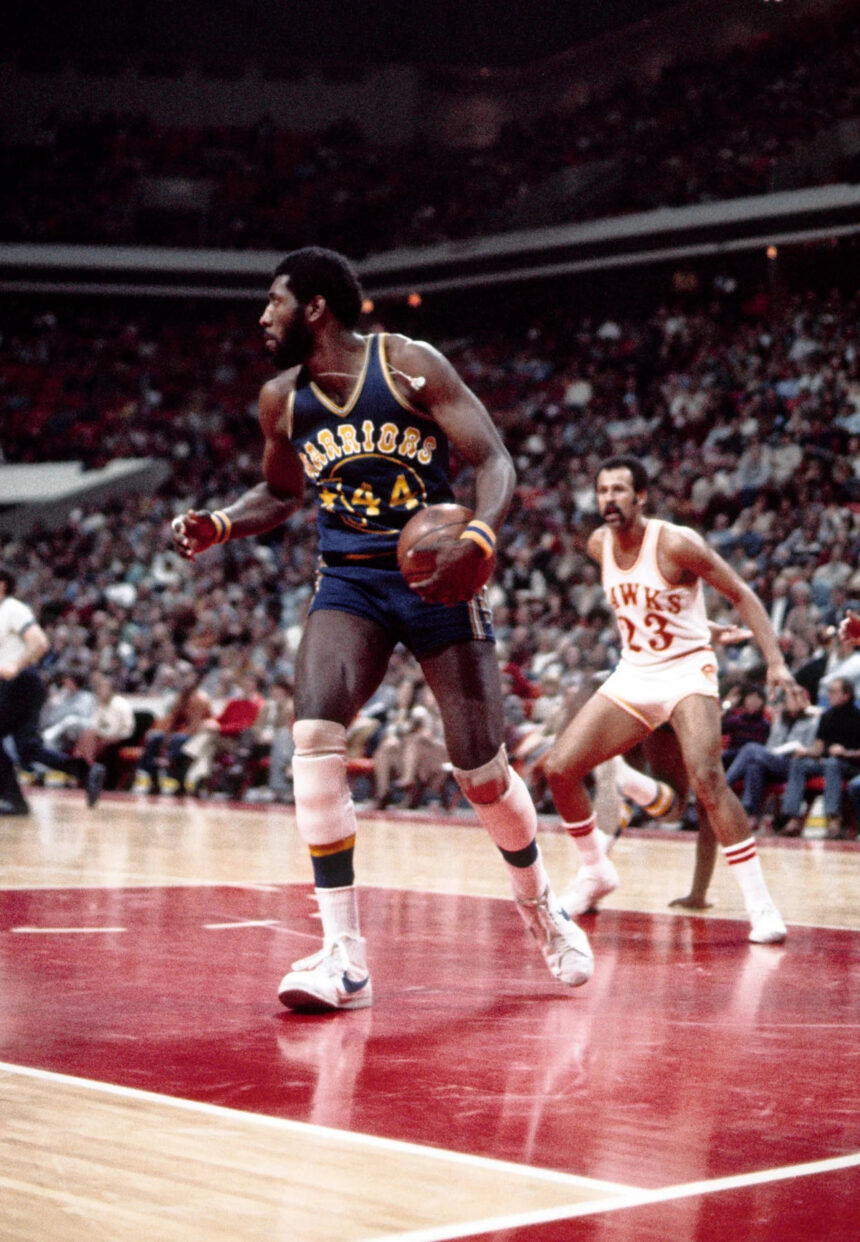
The Anchor of a Champion: Clifford Ray and the Legacy of Warriors Jersey No. 44
In the vast tapestry of the Golden State Warriors’ 75-plus-year history, over 600 players have woven their stories into the fabric of more than 60 jersey numbers. From Philadelphia to San Francisco, Oakland to a brief stop in San Diego, each number carries a lineage. While some digits shimmer with the stardom of MVPs and scoring titles, others embody the grit, sacrifice, and unshakeable foundation upon which championships are built. The story of jersey No. 44 for the Warriors is one of defensive pillars and quiet leadership, a narrative perfectly personified by the man who wore it longest and with the greatest impact: Clifford Ray, the defensive anchor of the 1975 NBA Champions.
From Chicago to the Bay: The Making of a Defensive Stopper
Before he became a Bay Area legend, Clifford Ray was a second-round pick out of Oklahoma, selected 40th overall by the Chicago Bulls in the 1971 NBA Draft. The Union, South Carolina native quickly established himself not as a flashy scorer, but as a relentless rebounder and intimidating defensive presence. Standing 6-foot-9 with a powerful frame and an unmatched work ethic, Ray’s game was built on fundamentals and force. In Chicago, he led the league in total rebounds during the 1973-74 season, showcasing the blue-collar skills that would soon become invaluable on the West Coast.
In 1974, the Warriors, a team brimming with offensive firepower led by the electric Rick Barry, identified a critical missing piece. They needed a enforcer in the paint, a rebounding vacuum, and a defensive quarterback. The answer was a trade that brought Clifford Ray to Golden State. It was a move that would almost immediately transform the franchise’s destiny. Donning the No. 44 jersey, Ray didn’t just change teams; he changed the entire identity and ceiling of the Warriors.
The 1975 Championship: The Definitive Role of a Role Player
The 1974-75 season is often remembered for Rick Barry’s sweet shooting and the Warriors’ stunning sweep of the heavily favored Washington Bullets in the NBA Finals. But within the organization and among savvy fans, the season is synonymous with the arrival of Clifford Ray. He was the final, perfect cog in head coach Al Attles’ machine. While Barry orchestrated the offense, Ray orchestrated the defense, communicating, positioning, and sacrificing his body to protect the rim.
Ray’s impact was profound and multifaceted:
- Defensive Linchpin: Ray’s presence allowed the Warriors to employ aggressive perimeter defense, knowing he was behind them to clean up mistakes. His ability to guard larger centers one-on-one was crucial.
- Rebounding Machine: He provided the Warriors with consistent second-chance opportunities and ended opponents’ possessions, a key factor in their fast-paced system.
- Unyielding Screens and Physicality: On offense, Ray was famous for setting bone-jarring screens to free up Barry and other shooters, embracing the dirty work that doesn’t fill stat sheets but wins championships.
- Emotional Leader: His toughness and vocal leadership set a tone. He was the team’s heartbeat and defensive conscience.
The numbers from that championship year—9.4 points, 10.6 rebounds, 1.8 blocks per game—only tell half the story. The full story is etched on the championship banner from 1975. Clifford Ray’s No. 44 was the sturdy backbone of a title team, proving that a player’s legacy is defined not by scoring averages, but by winning impact.
Beyond the Ring: A Lasting Legacy in the Bay and Beyond
Ray’s tenure with the Warriors spanned seven seasons, from 1974 to 1981, making him the most significant and longest-tenured player to wear No. 44 for the franchise. His consistency and leadership provided stability through the late 70s as the team transitioned. After his playing career, Ray’s basketball IQ and mentorship skills found a new outlet. He evolved into one of the NBA’s most respected assistant coaches and big man tutors for decades.
His influence is a direct thread through NBA history. He is famously credited with mentoring a young Shaquille O’Neal in Orlando, teaching Shaq the nuances of post defense and footwork. Later, he worked with Dwight Howard and countless other big men, passing on the same principles of positioning, timing, and effort that made him a champion. In this way, the legacy of Warriors jersey No. 44 extended far beyond the Oakland Coliseum Arena, shaping generations of NBA talent.
Jersey No. 44: A Symbol of Foundational Greatness
While Clifford Ray is the defining figure, the Warriors’ No. 44 jersey has been worn by 15 other players, including notable names like Sleepy Floyd, whose 29-point quarter in the 1987 playoffs is legendary, and Nate Thurmond, who briefly wore it at the end of his career after his iconic No. 42 was temporarily retired. However, it is Ray’s association with the number that most embodies its spirit—one of resilience, intelligence, and team-first sacrifice.
In the modern analytics era, a player like Clifford Ray would be celebrated as a high-impact, high-efficiency defensive star. His role is mirrored in the value placed on players like Draymond Green, another defensive savant and emotional leader whose statistical contributions are secondary to his winning influence. The Warriors’ dynasty of the 2010s was built on a similar blueprint: transcendent offensive talent supported by a defensive anchor willing to do the dirty work.
The history of an NBA jersey number is more than a list of names; it’s a collection of identities that define a franchise’s soul. For the Golden State Warriors, No. 44 will forever be linked to Clifford Ray. He wasn’t the star, but he was essential. He didn’t take the final shot, but he secured the possessions that made it possible. In a franchise now known for its revolutionary offense, it’s vital to remember the defensive pillars upon which its first West Coast championship was built. Clifford Ray in No. 44 was that pillar—a testament to the fact that true greatness often lies in the strength of the foundation, not just the brilliance of the facade.
Source: Based on news from Yahoo Sports.