The January Window: Has the Premier League’s Winter Circus Lost Its Spark?
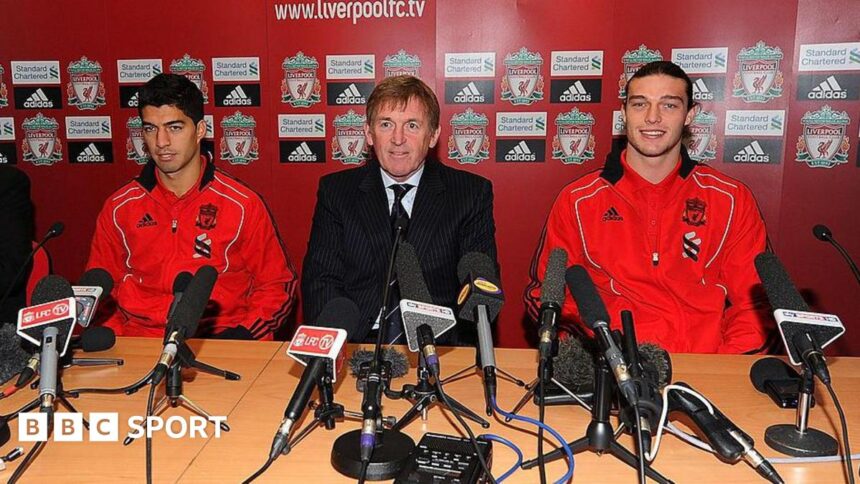
The image is etched into Premier League folklore: a hulking, bandaged Andy Carroll, fresh off a helicopter, signing a British record £35 million deal with Liverpool as the 2011 deadline ticked down. That same day, a certain Luis Suarez arrived. It was chaotic, dramatic, and utterly compelling. Fast forward to today, and a common lament echoes across fan forums and punditry panels: the January transfer window feels flat. But is this a new phenomenon, or are we simply pining for a bygone era of pure, unadulterated transfer theatre?
The evidence for the decline seems compelling. Clubs, now run with actuarial precision, fear the “January premium.” Desperation is a seller’s market, leading to inflated fees for often stop-gap solutions. The strategic blueprint is set in summer; January is for emergency repairs. Yet, to declare the winter window devoid of magic is to ignore its unique, pressure-cooker history—a history built not on sensible planning, but on weather chaos, clandestine car journeys, and last-minute helicopters.
A History Written in Snow, Helicopters, and Honda Civics
To understand the present, we must revisit the glorious, unscripted madness of the past. The January window, introduced in 2002-03, didn’t simmer into culture; it exploded onto the scene with moments of high farce and seismic shock.
Think of Andrey Arshavin’s snow-bound saga in 2008. As a blizzard crippled London, the Russian playmaker’s move to Arsenal hung in the balance. The weather was so severe the Premier League took the unprecedented step of postponing the deadline by 24 hours. The drama wasn’t just about the player, but about the very forces of nature conspiring against the deal.
Then came Peter Odemwingie’s infamous 2013 drive. The West Brom striker, convinced a move to Queens Park Rangers was imminent, took matters—and his car—into his own hands. He drove 120 miles from Birmingham to Loftus Road, only to be left in the car park, a symbol of transfer desperation and miscommunication. It was a one-man deadline day episode that no scriptwriter could invent.
And, of course, the pinnacle: 2011’s deadline day double-whammy. Liverpool, flush with Fernando Torres cash, didn’t just sign a world-class talent in Luis Suarez. They doubled down with the shock, record-shattering acquisition of Carroll. It was a statement of chaotic intent, a whirlwind of money and ambition that defined an era of less calculated risk. These weren’t just transfers; they were cultural events.
The Modern Calculus: Why the Thrill Has Dimmed
So what changed? The decline in sheer spectacle isn’t accidental. It’s the result of a fundamental shift in how elite football operates.
- Data-Driven Decision Making: Clubs now employ armies of analysts. Targets are identified years in advance, with due diligence extending to injury propensity and psychological profiling. The reactive, panic-buy model is seen as anathema to sustainable success.
- The Financial Fair Play (FFP) Straitjacket: Every expenditure is scrutinized under FFP and Profit & Sustainability Rules (PSR). The “January premium” is no longer just bad business; it can be a regulatory risk, limiting a club’s summer maneuverability.
- The Summer Window’s Primacy: The pre-season window is where foundational squads are built. January is for tweaks—a necessary defensive cover, a backup striker. The era of a club’s entire season hinging on a winter signing is largely over.
- Agent Theater Replacing Club Chaos: Much of the drama now happens weeks before deadline day, played out through agent leaks and social media murmurs. The actual deadline often confirms long-rumored deals, stripping away the surprise.
The modern transfer is a clinical operation, not a heist. The helicopter is now a private jet, its flight path meticulously reported by tracking websites days in advance. The mystery is gone.
Deadline Day Predictions: Can the Magic Ever Return?
Does this mean the January window is doomed to eternal blandness? Not necessarily. While the chaotic circus of old may not return, its spirit can manifest in new ways. Here’s what to watch for in future windows:
The “New Manager” Bounce: A mid-season managerial change often triggers unexpected flurries of activity, as a new boss seeks “his” players. This can bypass long-term planning and inject short-term chaos.
PSR Fire Sales: As clubs scramble to balance their books before June accounting deadlines, we may see more forced, dramatic sales on January 31st. A key player moved on hastily to fund summer plans could be the new shock narrative.
The Saudi Arabian Wildcard: The financial power of the Saudi Pro League adds an unpredictable, all-cash element. A late, monumental bid for a Premier League star could still trigger a domino effect of panic and opportunity.
The “Loan-with-Obligation” Marquee Signing: To circumvent FFP/PSR pressures immediately, more big-name players may move on loan in January with a mandatory summer purchase. This creates winter headline impact without the immediate financial hit.
The window’s utility is undeniable—it’s a crucial safety valve. But the flat feeling stems from the loss of the unscripted, the illogical, the human. We miss the Odemwingies as much as the Arshavins.
Conclusion: Nostalgia for the Unmanageable
Has the January window always felt flat? In its contemporary incarnation, often yes. But that flatness is the price of progress, of professionalism, of financial sustainability. The helicopters, the snowstorms, the desperate car rides—they were symptoms of an industry less in control. We romanticize the chaos, but clubs now fear it.
The winter transfer window is no longer the main event. It’s the mid-season edit. The thrill has been sanitized, optimized, and streamlined into submission. Yet, beneath the spreadsheets and compliance reports, the human elements of desperation, ambition, and sheer chance remain. It only takes one club to panic, one owner to dream, or one striker to get in his car to remind us that in football, as in life, the best-laid plans can still be gloriously derailed. The magic isn’t dead; it’s just waiting for the right blizzard.
Source: Based on news from BBC Sport.