Packers’ Playoff Hopes Hang by a Thread After Gut-Wrenching Overtime Collapse in Chicago
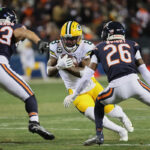
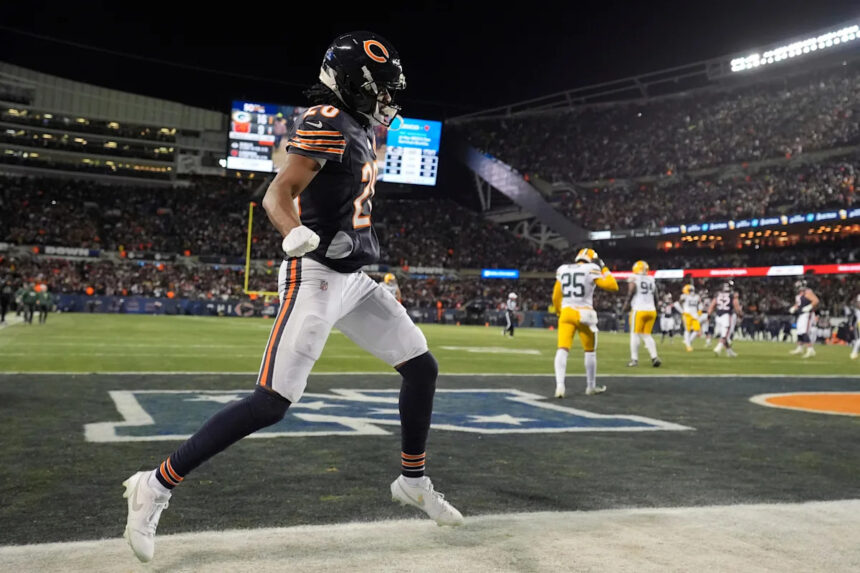
The frozen turf of Soldier Field bore witness to a season potentially slipping through the Green Bay Packers’ fingers. In a game that encapsulated the brutal highs and lows of an NFL season, the Packers transformed a commanding late-fourth quarter lead into a catastrophic, season-altering defeat. A botched onside kick and a critical overtime turnover on downs paved the way for Chicago Bears rookie quarterback Caleb Williams to deliver a dagger, connecting with D.J. Moore for a 46-yard walk-off touchdown to stun Green Bay, 22-16. The loss leaves the Packers’ playoff destiny in serious doubt and raises urgent questions about the team’s late-game fortitude.
A Collapse Forged in Crucial Moments
For 55 minutes, the Packers’ formula for a crucial road victory was working. The defense had largely contained the dynamic Bears offense, and a 16-6 lead with under five minutes to play felt secure. Then, the foundation crumbled. The Bears engineered a quick touchdown drive, cutting the lead to 16-13. What followed was a special teams disaster that will haunt Green Bay’s film sessions. The ensuing onside kick was a slow roller that should have been a routine recovery. Instead, a communication breakdown between returner Keisean Nixon and the front line resulted in a mad scramble, recovered by Chicago. The Bears capitalized with a field goal to force overtime, sucking all momentum from the Green Bay sideline.
In overtime, the Packers’ offense, which had sputtered all night, faced a critical 4th-and-1 near midfield. An aggressive run call was stuffed at the line, turning the ball over on downs and handing Williams a short field. Three plays later, against an all-out zero blitz, Williams lofted a perfect pass over Nixon to Moore, who raced untouched to the end zone. The sequence was a brutal microcosm of the game: a failure in situational football leading to a catastrophic result.
Key Factors That Sealed the Packers’ Fate
This loss was a multi-system failure. While the onside kick will dominate headlines, several consistent issues plagued Matt LaFleur’s team throughout the night and ultimately proved fatal.
- Offensive Inconsistency: The Packers’ offense failed to find a rhythm. Critical drives stalled in the red zone, settling for field goals instead of touchdowns. This failure to put the game away when opportunities arose kept the Bears within striking distance.
- Secondary Breakdowns: While the defense played valiantly for long stretches, the final play was a glaring example of a season-long concern. The zero blitz call left Keisean Nixon in isolated coverage against a premier receiver with no safety help—a high-risk gamble that backfired spectacularly.
- Late-Game Execution: Championship-caliber teams close out two-score leads in the fourth quarter. The Packers did the opposite. The collapse involved all three phases: offense (failing to run clock), special teams (the onside kick), and defense (allowing two scoring drives under pressure).
The Bears, to their credit, showcased the poise Green Bay lacked. Caleb Williams shook off a quiet night to make the plays when they mattered most, and the Chicago defense rose to the occasion in overtime. The Packers, now 9-5-1, have lost back-to-back games and control of their postseason path.
Playoff Picture: A Suddenly Treacherous Path
Entering Week 16, the Packers were eyeing the NFC North title and a potential home playoff game. Now, they are fighting for their postseason lives. This loss has seismic implications for the NFC playoff race.
The Packers are no longer a lock for the tournament. They are now likely needing to win their final two games and get help elsewhere. The margin for error, once comfortable, has evaporated. The psychological toll of a loss like this—surrendering a lead in such a devastating fashion to a division rival—cannot be underestimated. Matt LaFleur’s immediate challenge is to rally a reeling team and prevent a promising season from completely unraveling in the final fortnight.
This defeat also cements a worrying trend: the Packers’ struggles against the Bears in Chicago continue, and their ability to win close, high-stakes games on the road is now a serious concern. Their identity as a resilient, clutch team has been directly challenged.
Looking Ahead: Gut Check Time in Green Bay
The final two games of the 2025 season have become a pure test of character for the Green Bay Packers. The analysis of X’s and O’s, while important, is now secondary. This is about response.
Can the leadership in the locker room—from veterans to the coaching staff—steer the team out of this nosedive? The offense must rediscover its explosive capability, and the defense must prove it can get a stop when the entire season depends on it. The special teams unit, responsible for the pivotal play, must demonstrate immediate and drastic improvement.
Predicting the Packers’ fate is now a fraught exercise. They have the talent to win out, but the mental scars from Soldier Field are fresh. This loss has all the makings of a pivot point—either the moment that galvanizes a team for a desperate, backs-against-the-wall run, or the defining collapse that sends them into an early offseason full of what-ifs.
Conclusion: A Loss That Echoes Beyond the Scoreboard
The Green Bay Packers’ 22-16 overtime loss to the Chicago Bears was more than a single mark in the loss column. It was a failure of execution, composure, and situational awareness at the most critical juncture of the season. The walk-off touchdown by Caleb Williams and D.J. Moore wasn’t just a game-winner; it was a potential season-ender that flipped the script in the NFC North and the wider conference.
In the NFL, seasons can turn on a single play. For the Packers, an entire year may have turned on a misplayed kick and a failed fourth-down conversion. The path to the playoffs, once clear, is now shrouded in doubt. The response over the next two weeks will define not only their 2025 season but the trajectory of this era of Packers football. The collapse in Chicago is now part of their story; how they write the next chapter will determine everything.
Source: Based on news from Yahoo Sports.