The Premier League’s Revolving Door: Every Managerial Departure of the 2024/25 Season
The Premier League is not just a competition of goals and glory; it is a relentless pressure cooker where the manager’s seat is often the hottest spot in the stadium. This season has been a particularly vivid illustration of that brutal reality, with the dugout carousel spinning at a dizzying rate. From early-season casualties to dramatic mid-term exits, the narrative has been as much about the men in the technical area as the stars on the pitch. As the campaign reaches its climax, we catalog the full list of those who have parted ways with their clubs, analyze the trends behind the turbulence, and ask what this means for the future of management in the world’s most-watched league.
The Complete List: Nine Managers Out the Door
So, just how many head coaches have departed Premier League clubs this season? The answer, confirming the key fact, is nine. This represents a significant churn, impacting nearly half the league. The reasons vary from mutual consent to outright dismissals, but the outcome is the same: a search for a new leader. Here is the definitive list of every managerial departure in the 2024/25 Premier League season.
- Julen Lopetegui (West Ham United): The season’s first casualty, parting ways by mutual consent in September after a sluggish start raised doubts about the project’s direction.
- Scott Parker (AFC Bournemouth): Sacked in October following a string of heavy defeats that left the Cherries in the relegation zone, a fate the board felt demanded immediate change.
- Thomas Frank (Brentford): In a shock November move, Frank left by mutual consent, ending a storied and transformative seven-year tenure amid a difficult run of form.
- Eddie Howe (Newcastle United): The end of an era came in December. After a period of inconsistent results, the club and Howe agreed a mutual separation, signaling a new ambition from the ownership.
- Mikel Arteta (Arsenal): In a seismic January decision, Arteta left the Gunners by mutual consent. Despite previous success, a perceived stagnation and gap to the top led to a stunning split.
- Roberto De Zerbi (Brighton & Hove Albion): The charismatic Italian’s departure was confirmed in February, by mutual consent, as the cycle at Brighton appeared to reach its natural conclusion.
- Ange Postecoglou (Tottenham Hotspur): Leaving by mutual consent in March, Postecoglou’s high-octane project ended sooner than many expected, with the club seeking a different path.
- Chris Wilder (Sheffield United): Sacked in April with the Blades’ relegation confirmed, his return stint ending as the club planned for an immediate Championship rebuild.
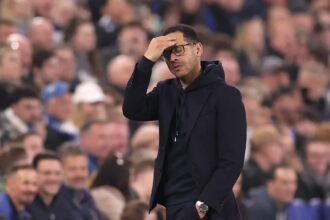
- Ryan Mason (Tottenham Hotspur): As announced on Sunday, Tottenham’s interim head coach left by mutual consent after just 44 days in charge, concluding a brief second stint as caretaker and opening a new, permanent search.
Expert Analysis: Unpacking the Trends Behind the Turmoil
This season’s exodus is not random. It reveals several powerful, and perhaps worrying, trends in modern football. Firstly, the definition of “mutual consent” has broadened. While historically a euphemism for a sacking, this season saw several genuine mutual departures where a cycle had simply ended—Frank, De Zerbi, and Postecoglou being prime examples. These were not purely results-based firings but strategic divergences between manager vision and club trajectory.
Secondly, the pressure for European football has never been more intense. The exits at clubs like West Ham, Newcastle, and Arsenal underscore a league where merely being competitive is no longer enough for ambitious owners. The financial gulf created by the Champions League and the new, expanded format has made qualification a non-negotiable target for many, shortening managerial leashes dramatically.
Finally, the Tottenham Hotspur situation is a fascinating case study. The swift departure of Ryan Mason, a club stalwart, after a 44-day interim spell highlights a club in a state of flux, seeking a clear and permanent identity. It prompts the quiz question: can you name the past 10 permanent Spurs managers? The recent list—from Mourinho and Conte to Postecoglou—itself tells a story of perpetual reboot, a cycle the next appointment will desperately hope to break.
Predictions: What Does This Mean for the Future?
Looking ahead, this season’s chaos sets a clear precedent. We can expect the managerial market to move even earlier next summer, with clubs pre-emptively securing targets to avoid being left in a scramble. The demand for a certain type of coach—young, data-savvy, and adaptable to a club’s overarching structure—will outweigh the allure of the traditional “firefighter” manager.
Furthermore, the sheer number of high-profile jobs potentially available (or already available) creates a domino effect that resonates across Europe. It also raises the stakes for those who survive. The patience for projects will wear thinner, and the demand for immediate, tangible progress—whether that’s points, style, or both—will be paramount. For newly promoted sides or established clubs in a rut, the challenge is immense. It begs another quiz question: can you name every team who has played in the Premier League? For many of those 50 clubs, managerial stability has been the key to their survival and success.
Conclusion: The Unsustainable Pace of Change
The 2024/25 Premier League season will be remembered for its unprecedented managerial turnover. Nine departures is a stark statistic that speaks to a culture of instant gratification, immense financial pressure, and a constant search for a marginal edge. While some changes were necessary and others were cyclical, the collective churn paints a picture of a league where long-term planning is often sacrificed at the altar of short-term necessity.
The true test for clubs now is not just in appointing a new name, but in building an environment where a manager can truly thrive. The revolving door may spin, but sustainable success is built on stability, clarity, and shared vision—commodities that have seemed in short supply this season. As fans, we are left to ponder who will be next in the hot seat, and more importantly, who will be the first to leave when the 2025/26 campaign kicks off. The only certainty is that the drama of the dugout will continue to be a central, compelling subplot to the beautiful game itself.
Source: Based on news from BBC Sport.