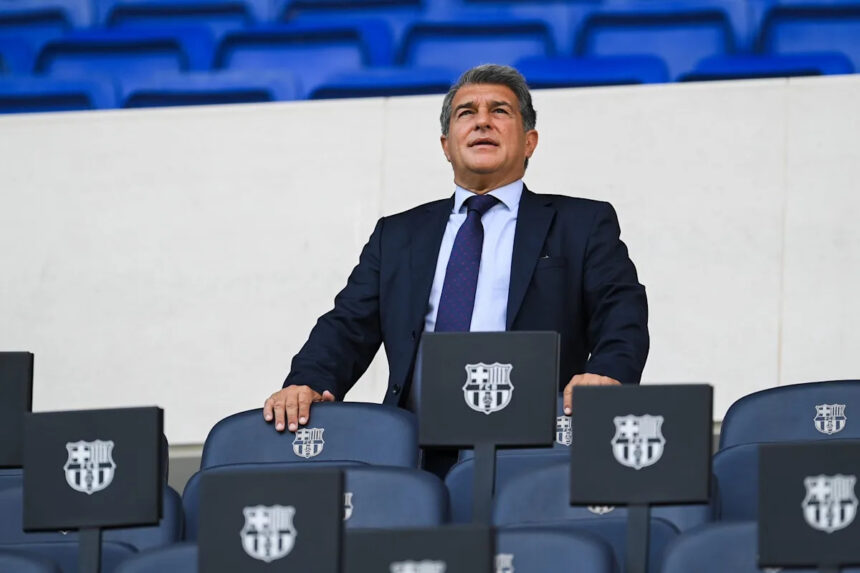
Official: Joan Laporta Resigns as Barcelona President, Triggers Pivotal Election Campaign
In a move that formalizes the high-stakes political battle brewing at the Camp Nou, FC Barcelona has officially confirmed that president Joan Laporta has tendered his resignation. This procedural yet seismic shift clears the path for Laporta to stand as a candidate in the club’s presidential elections, now officially called for March 15. The announcement, made via an official club statement following a Board of Directors meeting, marks the start of a frenetic campaign period that will decide the future direction of one of world football’s most iconic institutions. This is not a retreat; it is a strategic reset, a mandatory step that plunges Barcelona into a defining electoral contest with its current leader fighting to retain his mandate.
A Procedural Gambit: Decoding the Resignation and Its Immediate Fallout
To the casual observer, a sitting president resigning might signal crisis or capitulation. In the intricate world of Barcelona’s governance, it is a necessary chess move. The club’s statutes—specifically Article 42.f—mandate that any sitting board member wishing to run in elections must first step down from their post. Laporta’s resignation, therefore, is a technicality, but one with immediate operational consequences.
The power vacuum is both symbolic and real. With Laporta and key vice-presidents like Elena Fort (Institutional Affairs) and Antonio Escudero (Social Affairs) also resigning, an interim management committee will be formed to steer the club through the election period. This caretaker body, likely composed of remaining board members not seeking election, will have limited powers, essentially ensuring administrative continuity but halting major strategic decisions. The timing is critical, with the January transfer window recently closed and the club navigating a tight La Liga title race and Champions League knockout stages. The statement underscores the formal chain of events:
- Resignation Formalized: Submitted and accepted at the regular Board of Directors meeting.
- Election Announcement Published: The date of March 15 is now official, triggering the electoral calendar.
- Board Exodus: A calculated dismantling of the executive to allow the core leadership to campaign.
This period of interim governance creates a unique, slightly liminal state for the football squad and manager Xavi Hernández, who must perform amidst a backdrop of political uncertainty.
Laporta’s Legacy on the Ballot: Triumphs, Tribulations, and Unfinished Business
Joan Laporta’s second tenure, which began with a landslide victory in 2021, has been a rollercoaster of extreme highs and profound challenges. His campaign for re-election will be a referendum on his management of the club’s most severe crisis. His platform will undoubtedly highlight monumental achievements:
The Financial “Lever” Strategy: Laporta’s most controversial and decisive action. Facing catastrophic debt and an inability to register players, he authorized the sale of future assets, including TV rights and a stake in Barca Studios. This brutal, high-risk accounting provided the short-term liquidity to rebuild the squad, sign stars like Robert Lewandowski, and—most importantly—retain and register a new contract for talisman Lionel Messi (a move that ultimately failed, a black mark on his record). Supporters will argue it was a necessary evil for survival.
Sporting Resurgence: Delivering a La Liga title in 2023, breaking the dominance of Real Madrid, and restoring a sense of competitiveness after the post-Messi exodus. The emergence of a new generation led by Pedri, Gavi, and Lamine Yamal offers a vibrant core for the future.
Infrastructure Salvation: The triumphant progress on the Espai Barça project, particularly the ongoing renovation of the Spotify Camp Nou, stands as a tangible, long-term legacy of his presidency.
However, his opponents will attack the glaring vulnerabilities: the long-term financial peril of the “levers,” the lingering €1.5 billion-plus debt, the humiliating Champions League group-stage exits, the unresolved Messi departure saga, and the recent “Caso Negreira” refereeing scandal that continues to stain the club’s reputation. Laporta’s campaign will be a battle to frame the narrative: is he the savior who pulled Barça from the abyss, or the architect of a precarious financial house of cards?
The Contenders and the Core Issues: What This Election Is Really About
While Laporta is the immediate frontrunner, he will not lack for challengers. The electoral race is expected to feature candidates who offer starkly different visions for navigating the club’s future. The key battlegrounds are already clear:
- The Economic Model: This is the paramount issue. Candidates will debate how to move from emergency asset sales to sustainable profitability. Will they continue Laporta’s aggressive commercial strategy or advocate for austerity and organic growth?
- Sporting Project & Xavi’s Future: The manager’s announcement of his summer departure hangs over the election. The new president will have the final say on his successor and the direction of the football philosophy. A candidate could even campaign on a platform of convincing Xavi to stay.
- The Stadium & Institutional Stability: Managing the completion of the Camp Nou project without further financial strain is a massive operational test. Candidates must present credible plans for its financing and commercial operation.
- Social & Cultural Identity: In an era of super-clubs and state-owned entities, how does Barcelona preserve its “Més que un club” ethos? The role of the members (socios), the club’s social commitment, and its identity will be central themes.
Potential candidates from within the opposition, such as former president Agustí Benedito or other critical socio voices, will likely hammer on the themes of financial transparency and a return to a more traditional, member-focused model. They will portray Laporta as a necessary but ultimately dangerous gambler.
Predictions: A Referendum on Crisis Management
The outcome of the March 15 vote is profoundly consequential. Our analysis points to several key predictions:
1. Laporta Enters as Favorite, But Not Invincible: The power of incumbency, a La Liga title in his pocket, and a visible stadium transformation give him a strong base. However, voter fatigue and concerns over the financial long-term could erode his support. A poor result in the Champions League against Napoli before the vote could be damaging.
2. The Campaign Will Be Brutally Personal: Barcelona elections are notoriously fractious. Expect the discourse to focus intensely on Laporta’s character—his resilience versus his ruthlessness—as much as on policy.
3. The Winner Inherits a Precarious Crossroads: Regardless of who triumphs, the incoming president faces a summer of monumental decisions: appointing a new manager, navigating Financial Fair Play to strengthen the squad, and managing the final, most expensive phases of the stadium rebuild. There is no margin for error.
4. A Mandate for Continuity or a Cry for Caution? The result will be a clear signal from the socios. A Laporta victory is an endorsement of his high-risk, high-reward strategy. A win for an opponent would be a mandate for a course correction, prioritizing stability and financial prudence above galactic ambitions.
Joan Laporta’s resignation is the starter’s pistol for a campaign that will define the next decade of FC Barcelona. It is a referendum on crisis management, financial gambles, and the very soul of the club in modern football. The socios now hold the ballot that will decide whether to stay the turbulent course with the president who steered them through the storm, or to chart a new path in search of calmer waters. The Camp Nou stands half-renovated, a perfect metaphor for a club caught between a glorious past and an uncertain future, awaiting its next architect.
Source: Based on news from Yahoo Sports.