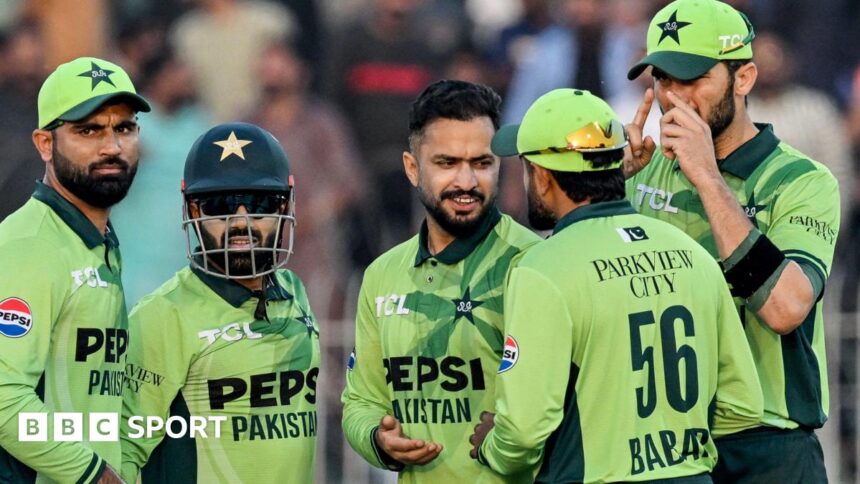
Pakistan’s T20 World Cup Ultimatum: A Nation’s Cricket and Politics Collide
The stage is set for a dramatic, high-stakes decision that could send shockwaves through the cricketing world. The Pakistan Cricket Board (PCB), under the leadership of Chair Mohsin Naqvi, has set a deadline of early next week to determine whether the 2009 champions will boycott next month’s T20 World Cup. This potential withdrawal, triggered by the International Cricket Council’s (ICC) controversial decision to replace Bangladesh with Scotland, has escalated from a sporting dispute to a matter of national deliberation, reaching the highest office in the land. The looming choice pits sporting glory against perceived principle, leaving fans and analysts alike holding their breath.
A Meeting at the Top: From Boardroom to the Prime Minister’s Office
The gravity of the situation was underscored on Monday when PCB Chair Mohsin Naqvi held crucial talks with Prime Minister Shahbaz Sharif. This direct consultation with the country’s political leadership reveals that the issue has transcended the boundaries of sport. Naqvi described the meeting as “productive,” stating he had “briefed him on the ICC matter.” This phrasing is telling; it is no longer just a cricket board’s grievance but an “ICC matter” requiring state-level input. The involvement of the Prime Minister suggests the decision will weigh complex factors of national prestige, diplomatic posture, and the emotional investment of millions of Pakistani cricket fans.
The catalyst was the ICC’s swift action this past Saturday. Following Bangladesh’s withdrawal, the global governing body installed Scotland as their replacement for the tournament, co-hosted by India and Sri Lanka from February 7 to March 8. For Pakistan, a cricketing powerhouse with a rich T20 World Cup history—including being beaten finalists in 2007 and 2022—this move was seemingly the final straw in a series of contentions with the ICC’s governance and decision-making processes.
Beyond Scotland: The Roots of Pakistani Discontent
While the replacement of Bangladesh with Scotland is the immediate flashpoint, expert analysis suggests Pakistan’s threat of a T20 World Cup boycott is rooted in deeper, long-standing frustrations. The PCB has historically positioned itself as a vocal critic of what it perceives as an imbalance of power within world cricket, often challenging the financial and political hegemony of other boards.
- Perceived Inequity in ICC Decisions: There is a strong sentiment within Pakistani cricket circles that major decisions often sideline their interests. The rapid substitution of a team without, from Pakistan’s perspective, broader consultation with all member boards, is seen as symptomatic of this trend.
- The Financial and Sporting Cost of Boycott: A withdrawal would be astronomically costly. It would mean forfeiting ICC tournament participation fees, losing vital commercial and sponsorship revenue, and denying a talented generation—including stars like Babar Azam and Shaheen Afridi—a shot at global glory. The 2022 finalists would go from contenders to spectators.
- The Player Perspective: For the athletes, a boycott would be a heart-wrenching professional blow. The T20 World Cup is a career pinnacle. The potential of being barred from competing, not due to injury or form, but geopolitics of sport, could create significant internal tension.
This decision is not taken lightly. It is a calculated, high-risk move designed to assert agency and force a recalibration of Pakistan’s standing within the ICC’s corridors of power.
Weighing the Odds: Predictions and Potential Fallout
As the deadline looms, the cricketing world is rife with speculation. What are the likely outcomes and their ramifications?
Scenario 1: Pakistan Boycotts (Low Probability, High Impact)
A full boycott remains a nuclear option. It would immediately plunge the T20 World Cup into unprecedented controversy, stripping it of one of its most passionate and talented teams. The tournament’s legitimacy would be questioned, and Group A would be thrown into disarray. The ICC would face a monumental crisis, likely leading to legal battles over contracts and finances. For Pakistan, it would mean isolation, a generation of embittered players, and a devastating financial hit. This path seems most likely only if the PCB and government frame the ICC’s action as an unresolvable affront to national dignity.
Scenario 2: A Strategic Participation (High Probability)
The most probable outcome is that Pakistan decides to participate, but under protest. The meeting with PM Sharif could yield a mandate to compete while aggressively pursuing formal grievances and seeking structural concessions from the ICC. This allows Pakistan to maintain its place on the global stage, protect its players and revenue, and fight its battles through official channels. The team would play under a cloud of political drama, potentially using the platform to make symbolic statements. This scenario serves Pakistan’s immediate sporting and financial interests while keeping pressure on the ICC.
Scenario 3: A Last-Minute ICC Concession (Wild Card)
The pressure of a potential boycott could force the ICC to offer a face-saving compromise to the PCB. This might not reverse the Scotland decision but could involve assurances about future decision-making processes, revenue sharing, or tournament hosting rights. Such a behind-the-scenes deal would allow Pakistan to claim a moral victory and participate fully.
The Verdict: More Than Just a Game
The deadline set by the PCB is more than a procedural step; it is a moment of profound reckoning for Pakistani cricket. The board, backed by the state, is attempting to leverage its team’s presence—a team capable of winning the entire tournament—as a bargaining chip in a larger power struggle. This saga underscores how, in South Asia, cricket is inextricably linked to national identity and politics.
While the heart hopes to see the flair of Babar, the fury of Shaheen, and the passion of Pakistani fans on the World Cup stage, the head understands this is a calculated diplomatic play. The most likely path forward is a tense, negotiated participation where Pakistan plays but continues its fight for a louder voice in the sport’s future. To actually withdraw would be an act of monumental self-sacrifice, a statement so severe it would redefine Pakistan’s relationship with world cricket for a generation. The coming days will reveal whether the PCB’s deadline is a genuine brink or a masterful stroke of political gamesmanship. One thing is certain: the world is watching, and the game, for now, is being played off the field.
Source: Based on news from BBC Sport.