Power Play: Electrical Outage Briefly Darkens Milan-Cortina Olympic Curling Opener
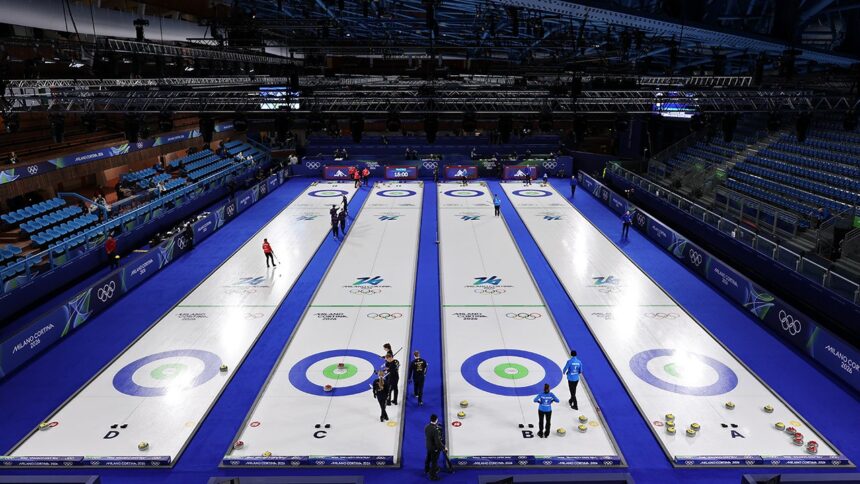
The 2026 Milan-Cortina Winter Olympics, a celebration of human endurance and precision, encountered a moment of pure, unscripted drama on Wednesday. Mere moments after the first stones were thrown in the highly anticipated curling competition, an unexpected opponent emerged from the shadows: a total power outage. The historic stadium was plunged into an eerie semi-darkness, halting play and casting a brief but palpable shadow over the Games’ opening events. The incident served as a stark reminder that even the most meticulously planned global spectacles are at the mercy of a flickering switch.
A Stadium in Shadows: The Moment the Lights Went Out
The atmosphere inside the historic curling venue was electric with anticipation as the Olympic competition commenced. The gentle roar of the crowd, the distinctive *swish* of granite on ice, and the strategic calls of skips had just begun to fill the air. Then, without warning, the narrative changed. Lights flickered uncertainly before surrendering, leaving the expansive sheets of pebbled ice in a dim, twilight state. Officials immediately halted play, and an uncertain silence fell, broken only by the murmurs of a confused audience.
In true Olympian spirit, however, the athletes refused to let the darkness defeat their focus. Several curlers, seizing the moment, used the unexpected pause as an impromptu training session. They could be seen continuing to slide on the ice during the delay, practicing their releases and maintaining their muscle memory in the gloom. This spontaneous act of professionalism provided a captivating visual—a testament to the concentration and adaptability required at sport’s highest level. “You train for years for these moments,” a veteran curling analyst noted. “A little darkness isn’t going to break their routine. If anything, it showed their mental toughness.”
Investigation and Immediate Impact
As technicians scrambled behind the scenes, the delay stretched from minutes into a more significant interruption. Olympic officials quickly addressed the media, confirming they were investigating the cause of the blackout but had no immediate details to share. Initial speculation ranged from a localized grid overload to a technical fault within the century-old stadium’s updated electrical systems. The primary concern was ensuring a stable power supply to not only the arena lights but also the critical ice-making and temperature control systems that keep the playing surface in perfect condition.
The return was as dramatic as the departure. When the bright lights drew cheers from the crowd, it was a release of pent-up anticipation. The roar was less about restored visibility and more a collective affirmation that the Games would go on. Play resumed after a delay of approximately 45 minutes, with officials adjusting the schedule for the affected matches. Fortunately, no injuries were reported, and the integrity of the ice was preserved.
Key Immediate Aftermath Points:
- Rapid Response: Olympic technical teams and local utilities responded promptly to the incident.
- Athlete Adaptability: Curlers demonstrated focus by practicing in low-light conditions.
- Minimal Schedule Disruption: Despite the delay, the day’s full slate of matches was completed.
- Transparency Pledge: Officials promised a thorough investigation but prioritized event continuation.
Expert Analysis: More Than a Minor Glitch
While seemingly resolved, this incident opens a deeper conversation about the infrastructure pressures of the modern Olympics. Sports engineering experts point out that historic venues, while rich in character, often face immense challenges when retrofitted with the massive, contemporary power demands of global broadcasting, digital timing systems, and climate control.
“This wasn’t just a few light bulbs going out,” explained a facilities manager for major international sporting events. “An Olympic venue is a living ecosystem of technology. The outage risked the precise ice temperature, the electronic scoreboards, and the broadcast feeds. The fact that it was brief is lucky. It will undoubtedly trigger a top-to-bottom review of power redundancy systems across all Cortina venues.” Furthermore, the psychological impact on athletes cannot be ignored. Curling is a sport of rhythm and routine; an unexpected break can disrupt concentration just as easily as it can provide a moment to refocus. How teams managed that mental shift could become a footnote in the competition’s story.
Predictions: Resilience and Scrutiny Moving Forward
Looking ahead, this event will likely have two major consequences for the remainder of the Milan-Cortina Games. First, expect unprecedented scrutiny on venue operations. Every flicker of a light or hum of a generator will be noted by officials and the media. The organizing committee will be hyper-vigilant in providing assurances that backup systems are fail-safe, especially for indoor sports like figure skating, hockey, and, of course, the remaining curling matches.
Second, this incident may forge a narrative of resilience for the 2026 Olympics. Much like weather delays at outdoor events, this power outage could be remembered as a moment where the Olympic spirit—from the athletes sliding in the dark to the technicians working furiously—overcame a shared challenge. For the curling competition specifically, the teams that best shrugged off the disruption may gain an early mental edge. It also instantly created a unique, unifying memory for the spectators present, who now share the story of the night the lights went out at the Olympics.
Conclusion: A Wake-Up Call in the Dark
The brief power delay interrupted the opening curling competitions but ultimately failed to dim the Olympic flame. In fact, it illuminated something crucial: the unflappable poise of the athletes and the complex, behind-the-scenes ballet required to stage the world’s largest sporting event. While the investigation into the cause continues, the lesson is already clear. The Milan-Cortina Olympics have faced their first unforeseen test. The graceful response by curlers and the relieved cheer at the return of power prove that the core of the Games remains bright. However, for organizers, the message is unequivocal: the margin for error is zero. As the world watches, the reliability of every watt of power has now been thrust into the spotlight as prominently as any gold-medal performance. The Games have officially begun, not just with the throw of a stone, but with a stark reminder of the modern world’s vulnerabilities.
Source: Based on news from Fox Sports.