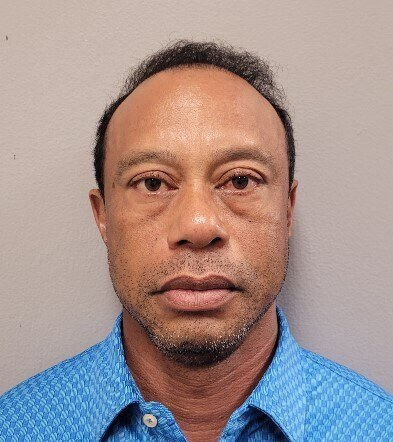
Prosecutors Target Tiger Woods’ Prescription Records in DUI Case: A Legal and Personal Crossroads
The legal landscape surrounding Tiger Woods’ Memorial Day DUI arrest has intensified, shifting from the roadside to the pharmacy counter. In a significant development, prosecutors in Martin County, Florida, have moved to subpoena the golf legend’s detailed prescription drug records. This legal maneuver transforms the case from a simple traffic incident into a complex investigation into the interplay between chronic pain management, professional athleticism, and the law. The subpoena seeks to construct a precise pharmacological timeline, potentially challenging Woods’ not-guilty plea and casting a long shadow over his meticulously managed comeback narrative.
The Subpoena: A Deep Dive into a Pharmacological Timeline
Prosecutors are not making a casual request. The planned subpoena to Lewis Pharmacy in Palm Beach Gardens is a targeted forensic instrument. According to court documents, they are demanding a comprehensive ledger of Woods’ prescribed medications, including:
- Specific prescription names and the dates they were filled.
- The exact dosage amounts and the number of pills dispensed.
- Critical instructions and warnings that accompanied the medications, particularly any advisories against operating machinery or driving.
This data is crucial for the prosecution. By cross-referencing the pharmacy records with the toxicology results from Woods’ blood draw at the time of his arrest, they aim to establish not just the presence of drugs, but a pattern of use and potential misuse. The discovery of two pain pills—identified as Vicodin and Dilaudid—in Woods’ pocket during the arrest directly connects this legal strategy to the physical evidence. The state’s case appears to be building on the premise of impairment by a combination of substances, both prescribed and potentially otherwise.
Beyond the Mugshot: The Anatomy of a Pain Management Defense
Woods’ legal team, led by attorney Doug Duncan, is expected to mount a defense deeply rooted in the golfer’s well-documented medical history. Since his watershed spinal fusion surgery in April 2017—a procedure he called a “last resort”—Woods has been open about his battle with pain. His successful, albeit limited, return to competition in 2018 was framed as a triumph over physical agony. The defense will likely argue that any substances in his system were legally prescribed for legitimate, debilitating conditions resulting from multiple knee and back surgeries.
However, the prosecution’s subpoena strategically targets the weak point in this defense: patient responsibility. A legally prescribed medication can still lead to a DUI conviction if the driver is rendered impaired. The key questions become: Was Woods adhering to prescribed dosages? Was he aware of, and did he ignore, explicit warnings about driving? The subpoenaed instructions from the pharmacy bottles could serve as a silent witness for the state. This transforms the case from a question of “what” was in his system to “how” those substances impacted his ability to drive safely, regardless of their legal origin.
Expert Analysis: Legal Precedent and the “Ambien Defense” Echo
Legal experts see clear parallels between Woods’ situation and other high-profile cases involving prescription medications. “This is a classic ‘drug DUI’ investigation pattern,” notes a former Florida state prosecutor. “The state isn’t alleging he went out drinking. They are alleging he got behind the wheel impaired by a cocktail of prescription drugs. The pharmacy records are the roadmap to prove knowledge and routine.”
The case also inevitably draws comparisons to Woods’ 2017 incident, where he was found asleep at the wheel of his running car and cited for DUI. In that episode, Woods attributed his condition to an unexpected reaction to prescription medications, including Vicodin, Xanax, and Ambien. He subsequently entered a diversion program. Prosecutors now may seek to demonstrate a pattern of behavior, using the new pharmacy data to show a history of being prescribed powerful, impairing medications with clear usage warnings. The challenge for the defense will be to separate this single event from his past and frame it as an anomaly in a rigorous pain management protocol.
Predictions: Case Trajectory and Career Implications
The path forward hinges on the evidence the subpoena unearths. Several scenarios are plausible:
- Plea Agreement: The most likely outcome. If the records reveal a clear chain of prescriptions that align with the toxicology report, Woods’ team may seek a favorable plea deal—potentially to a lesser charge like reckless driving—to avoid a public trial and secure a punishment focused on treatment and education.
- Motion to Suppress: The defense could challenge the subpoena’s scope or the legality of the blood draw, though the latter is considered a strong piece of evidence for the state given the arrest circumstances.
- Trial: A low-probability, high-stakes option. Both sides would risk immense public exposure. The trial would become a dissection of Woods’ private medical struggles, a spectacle neither side likely desires.
For Woods’ career, the immediate impact is reputational, not competitive. The PGA Tour does not suspend players for DUI offenses unrelated to tournament play. The greater damage is to the pristine brand of “Tiger 2.0″—the resilient, grateful father and competitor. Sponsors, while largely standing by him, will be watching the legal resolution closely. A case that concludes with a focus on treatment and responsibility could be navigated. A conviction that suggests negligence or disregard for safety would be more damaging.
Conclusion: A Fairway of Uncertainty
The subpoena for Tiger Woods’ prescription records marks a pivotal turn in a case that transcends a traffic citation. It is a legal probe into the private cost of a public career built on physical punishment. Prosecutors are methodically assembling a timeline to prove impairment, while Woods’ defense will portray a man managing chronic pain within medical boundaries. This clash will define the narrative.
Ultimately, the case underscores a vital, often overlooked public safety message: legally prescribed drugs can impair driving. Whether Tiger Woods is found guilty or not, his arrest serves as a stark national reminder that the DUI conversation must extend beyond alcohol. For the golfer himself, the outcome will determine whether this incident becomes a footnote in his legendary comeback story or a defining chapter of personal and legal struggle. The pursuit of truth now lies not on the green, but in the fine print of a pharmacy receipt.
Source: Based on news from Yahoo Sports.