Rain’s Cruel Hand: How the Skies Ended T20 World Cup Dreams for Ireland and Australia
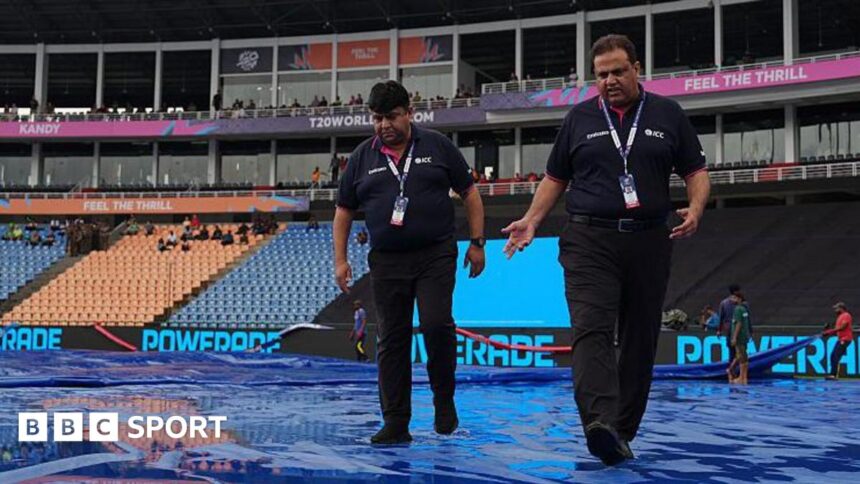
The capricious nature of T20 cricket is often celebrated—a single over, a moment of brilliance, a catastrophic collapse. But in Kandy, Sri Lanka, on a sodden Tuesday, it was the oldest and most uncontrollable adversary that wrote the final, frustrating chapter for two nations. Persistent, unrelenting rain at the Pallekele International Cricket Stadium didn’t just wash out a match; it washed away the T20 World Cup hopes of Ireland and former champions Australia in one fell swoop, propelling Zimbabwe into the Super 8s amidst the drizzle. This was elimination by meteorological decree, a conclusion as unsatisfying as it was definitive.
A Group of Fine Margins and a Zimbabwean Earthquake
To understand the magnitude of the washout, one must rewind to the seismic shock that reverberated through Group B just days prior. Zimbabwe’s shock victory over Australia was not just an upset; it was a tournament-altering earthquake. Defending a modest 138, Zimbabwe’s bowlers, led by the magnificent Sikandar Raza, strangled the Australian batting lineup, securing a famous five-run win. This result threw the group into beautiful chaos, setting the stage for a dramatic final round of matches.
The equation for the final day was starkly clear:
- Zimbabwe: Needed just a single point from their match against Ireland to advance, thanks to their superior net run rate.
- Ireland: Faced a pure must-win scenario. Any other result would end their campaign.
- Australia: Their fate was out of their hands. After a subsequent eight-wicket defeat to Sri Lanka, they needed Ireland to beat Zimbabwe to keep their own slender hopes alive.
Thus, the stage was set at Pallekele: Ireland, the spirited fighters, against a Zimbabwean side riding a wave of belief. Australia, giants of the game, were reduced to anxious spectators, their destiny tied to the performance of a rival. Then, the clouds gathered.
The Damp Anti-Climax in Kandy
Tuesday at Pallekele was an exercise in mounting frustration. The outfield, saturated from prior rain, never had a chance. Inspections came and went, each one pushing the possibility of play further into the realm of fantasy. Players lingered, hoping for a miraculous window. Fans waited, clutching at straws. But the rain was unrelenting in Kandy, a constant, drumming presence that made even a truncated game impossible.
The final abandonment was a formality. With no play possible between Ireland and Zimbabwe, the points were shared. That single point was all Zimbabwe needed. Their celebration was muted by the conditions, but their achievement was monumental—a Super 8s berth secured. For Ireland, the shared point was a death knell. Their brave campaign, which included a thrilling win over West Indies, was over. Simultaneously, in a hotel or a lounge somewhere, the Australian team’s fate was sealed. The match being a must-win for Ireland had ended in a no-contest, and with it, Australia’s title defense evaporated into the humid Sri Lankan air.
Expert Analysis: The Structural Flaw Exposed
While the weather is nobody’s fault, this dramatic exit for two competitive sides exposes a perennial flaw in ICC tournament structures: the lack of reserve days for group stage matches. When a tournament is this short and the margins this fine, the impact of a complete washout is disproportionately punitive. Ireland and Australia have both been eliminated not by a superior opponent on the field, but by a scheduling and structural rigidity.
For Ireland, this is a particularly bitter pill. They have consistently punched above their weight, and a full match against Zimbabwe would have been a thrilling contest. Their powerful batting lineup, featuring the likes of Paul Stirling and Lorcan Tucker, was denied a chance to fight for their survival. This outcome risks feeling like an opportunity lost to the vagaries of climate rather than cricket.
For Australia, the analysis is more self-critical. Their exit cannot be blamed solely on the rain. Their campaign was a story of uncharacteristic fragility. The loss to Zimbabwe was a tactical and executional failure, and the comprehensive defeat to Sri Lanka highlighted issues in both their batting power and bowling penetration in subcontinental conditions. The rain was merely the final act; the earlier stumbles had already placed them on this precipice.
Zimbabwe, to their immense credit, seized their moment when it mattered. Their victory over Australia was a masterclass in heart and skill, and that proved to be the decisive result. The point from the washout was merely the formal confirmation of their superior tournament position.
Predictions and Repercussions: What Comes Next?
The fallout from this rain-affected elimination will be significant. For Zimbabwe, this is a transformative moment. Advancing to the Super 8s will provide invaluable experience against the world’s best, boost cricket’s profile at home, and solidify the leadership of Sikandar Raza. They enter the next phase as the ultimate wildcard, capable of unsettling anyone.
For Australia, this early exit will trigger a period of intense scrutiny. An aging squad, the retirement of Aaron Finch, and questions about the balance of their T20 side will dominate discussions. This failure, following their early exit from the 2022 T20 World Cup on home soil, suggests a need for a strategic rethink in the shortest format.
Ireland’s journey is one of continued growth. They have proven, once again, that they belong at the top table. The challenge now is to convert these near-misses and competitive showings into consistent qualification for later stages of major tournaments. Their system is producing talent; converting that into results on the biggest days is the next step.
This episode will also amplify calls for the ICC to reconsider its scheduling and reserve day policies for global events, especially in monsoon-prone regions. The integrity of a tournament is compromised when weather, not cricket, decides such crucial outcomes.
Conclusion: A Sobering Reminder of Cricket’s Uncontrollables
In the end, the story from Kandy is a sobering one. It is a reminder that for all the analytics, planning, and sheer skill in modern cricket, the sport remains at the mercy of the elements. The T20 World Cup hopes of Ireland and Australia were extinguished not by a blistering yorker or a towering six, but by the steady, dreary patter of rain on a covered pitch.
Zimbabwe marches on, deserving of their fortune because they created it with that historic win. For Ireland and Australia, the flight home will be long and filled with thoughts of “what if.” What if the clouds had parted? What if a reserve day was available? What if we had played better in those key moments? In a tournament of thrilling highs, this was a damp, quiet, and profoundly unsatisfactory low—a conclusion where the only winner was the weather, and the greatest loser was the spirit of sporting contest.
Source: Based on news from BBC Sport.