Revisiting the Most Impactful Draft-Day Trade for All 32 NFL Teams
The NFL Draft is a crucible of hope, where franchises are built and broken. But for every player selected, there is a deal that made it happen. Draft-day trades are the chess moves that define eras, altering the trajectory of a team for better or worse. NFL Nation has looked back at the archives, analyzing the deals that produced the most memorable outcomes—from championship rings to cautionary tales of regret. Here is the definitive guide to the most impactful draft-day trade for all 32 teams, complete with expert analysis and predictions on how these moves still echo today.
- The AFC East: From Busts to Super Bowl Pedigrees
- The NFC East: High-Stakes Gambles That Paid Off (or Failed)
- The AFC North: Defensive Dominance and Quarterback Swaps
- The NFC West: Dynasty Builders and Draft-Day Heists
- The AFC South: Quarterback Tragedies and Defensive Pillars
- The NFC South: High-Risk, High-Reward Moves
- Strong Conclusion: The Legacy of the Deal
The AFC East: From Busts to Super Bowl Pedigrees
The AFC East has seen its share of blockbusters, but one trade stands out for its sheer audacity and long-term payoff.
Buffalo Bills: The 2018 trade-up for Josh Allen. The Bills sent two second-round picks (53rd and 56th overall) to the Tampa Bay Buccaneers to move from 12th to 7th overall. At the time, it was a massive gamble on a raw, small-school quarterback. Today, it is the single greatest trade in franchise history. Allen transformed the Bills from perennial also-rans into a perennial AFC contender. Without that aggressive move, Buffalo would likely still be searching for a franchise QB.
Miami Dolphins: The 2020 “Tua Trade.” Miami traded the 5th overall pick to the Chargers for a haul that included the 6th overall pick (which became Tua Tagovailoa) and a 2021 first-rounder (which became Jaylen Waddle). While Tua’s health was a concern early, the trade set the foundation for Miami’s explosive offense. The expert analysis here is clear: the Dolphins won the value game, acquiring a starting QB and a top WR without sacrificing their future.
New England Patriots: The 2000 trade for Tom Brady? No—that was a sixth-round pick, not a trade. The most impactful was the 2007 trade for Randy Moss. The Patriots sent a fourth-round pick to the Raiders for a disgruntled wide receiver. The result? A record-setting 16-0 regular season and the most prolific passing attack in NFL history. This trade proved that a single, high-risk acquisition could redefine an offense.
New York Jets: The 2018 trade up for Sam Darnold. The Jets gave up three second-round picks to move from 6th to 3rd overall. It was a disaster. Darnold never developed into the franchise savior, and the Jets are still paying for that desperation. This is a textbook example of a draft-day mistake that set a franchise back years.
The NFC East: High-Stakes Gambles That Paid Off (or Failed)
The NFC East is notorious for bold moves. Here are the trades that defined the division.
Dallas Cowboys: The 1989 Herschel Walker trade is legendary, but for draft-day impact, it’s the 2012 trade-down that landed Travis Frederick and Zack Martin. The Cowboys traded the 14th pick to the Rams, dropping to 18th and picking up a third-rounder. They used that pick to draft Frederick, then took Martin in the first round. That duo anchored the offensive line for a decade. It’s the smartest value trade in Cowboys history.
New York Giants: The 2004 trade for Eli Manning. The Giants sent Philip Rivers (the 4th pick), a 2005 first-rounder, and a 2005 third-rounder to the Chargers for Manning. Eli won two Super Bowls and two Super Bowl MVPs. The Giants gave up a lot, but they got franchise-defining leadership in return. It remains the gold standard for trading up for a QB.
Philadelphia Eagles: The 2016 trade-up for Carson Wentz. The Eagles traded the 8th, 77th, and 100th picks, plus a 2017 first-rounder and a 2018 second-rounder, to move to 2nd overall. It was a massive haul for Cleveland. Yet, the Eagles won a Super Bowl in 2017 (with Nick Foles at QB, not Wentz). The trade itself was a huge risk, but the championship result justifies the cost.
Washington Commanders: The 2012 trade for Robert Griffin III. Washington gave up three first-round picks and a second-rounder to move from 6th to 2nd overall. RG3’s rookie season was electric, but injuries derailed his career. The trade crippled Washington’s roster for half a decade. It is the ultimate cautionary tale of mortgaging the future for a single player.
The AFC North: Defensive Dominance and Quarterback Swaps
The AFC North is built on defense and tough football. Their draft-day trades reflect that.
Baltimore Ravens: The 2018 trade for Lamar Jackson. The Ravens traded the 16th, 52nd, and 125th picks to the Eagles to move to 32nd overall. They also traded up from the second round to get him. Jackson won the 2019 NFL MVP and revolutionized the quarterback position. This trade was a masterclass in identifying value and building around a unique talent.
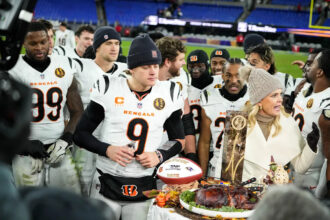
Cincinnati Bengals: The 2020 trade-up for Joe Burrow. The Bengals traded the 5th overall pick and a fourth-rounder to the Dolphins for the 1st overall pick. It was a simple, clean move for a generational QB. Burrow has already led the Bengals to a Super Bowl. The expert prediction here is that this trade will be remembered as the moment Cincinnati became a perennial contender.
Cleveland Browns: The 2018 trade for Baker Mayfield. The Browns traded the 4th overall pick and a 2019 first-rounder to the Texans to move to 1st overall. Mayfield broke the Browns’ playoff drought, but his inconsistency led to his departure. The trade was impactful but flawed—it got Cleveland to the playoffs, but the price was too high for a non-elite QB.
Pittsburgh Steelers: The 2003 trade for Troy Polamalu. The Steelers traded their 2003 first-rounder (27th overall) and a 2003 third-rounder to the Chiefs to move to 16th overall. Polamalu became a Hall of Fame safety and the heart of two Super Bowl defenses. This is a perfect example of a targeted trade for a defensive cornerstone.
The NFC West: Dynasty Builders and Draft-Day Heists
The NFC West is currently the NFL’s strongest division. Their trades are legendary.
Arizona Cardinals: The 2018 trade for Josh Rosen. The Cardinals traded the 15th overall pick and a 2019 third-rounder to the Raiders to move to 10th overall. They drafted Rosen, who flopped. They then traded him a year later. This is a disastrous sequence that set the Cardinals back, but it also forced them to draft Kyler Murray in 2019.
Los Angeles Rams: The 2016 trade for Jared Goff and the 2018 trade for Brandin Cooks. But the most impactful is the 2021 trade for Matthew Stafford. The Rams sent Jared Goff, two first-round picks, and a third-rounder to the Lions. Stafford immediately won Super Bowl LVI. This trade is the ultimate win-now move that paid off instantly.
San Francisco 49ers: The 2017 trade for Solomon Thomas. A bust. But the 2021 trade for Trey Lance? Also a bust. The most impactful positive trade? The 2019 trade for Nick Bosa. The 49ers traded the 2nd overall pick to the Raiders for a haul that included the 4th overall pick (which became Bosa) and a 2020 first-rounder. Bosa is a Defensive Player of the Year and the centerpiece of a dominant defense.
Seattle Seahawks: The 2012 trade for Russell Wilson? No, that was a third-round pick. The most impactful is the 2010 trade for Earl Thomas. The Seahawks traded the 14th overall pick to the Broncos for the 25th pick and a 2011 third-rounder. They used the 25th pick on Thomas, a Hall of Fame safety. This trade built the Legion of Boom.
The AFC South: Quarterback Tragedies and Defensive Pillars
The AFC South has a history of bold QB moves, with mixed results.
Houston Texans: The 2017 trade for Deshaun Watson. The Texans traded the 25th overall pick, a 2018 first-rounder, and a 2019 first-rounder to the Browns to move to 12th overall. Watson was elite, but his off-field issues and trade demand left the Texans in ruins. This trade is a tragic example of a franchise-winning move turning into a nightmare.
Indianapolis Colts: The 2012 trade for Andrew Luck. The Colts traded the 1st overall pick to the Rams for a haul that included the 2nd overall pick (Luck) and a 2013 first-rounder. Luck retired early, but he was the franchise savior who immediately turned the Colts into contenders. The trade was a win for value.
Jacksonville Jaguars: The 2021 trade for Trevor Lawrence. The Jaguars traded the 1st overall pick to the Rams for a massive haul that included three first-round picks. They used the 1st pick on Lawrence, who has shown flashes of greatness. The expert prediction is that this trade will be a win if Lawrence becomes a top-5 QB, but the Jaguars need to build around him.
Tennessee Titans: The 2016 trade for Derrick Henry? No, he was a second-round pick. The most impactful is the 2019 trade for A.J. Brown. The Titans traded a 2019 second-rounder and a 2020 third-rounder to the Eagles for the 51st pick, which became Brown. He was a star, but the Titans later traded him. This trade was a short-term win that ended in regret.
The NFC South: High-Risk, High-Reward Moves
The NFC South is known for aggressive trades that define dynasties.
Atlanta Falcons: The 2011 trade for Julio Jones. The Falcons gave up five draft picks (including two first-rounders) to move from 27th to 6th overall. Jones became a Hall of Fame receiver and key to the 2016 Super Bowl run. This trade is a classic win for a team that went all-in on a superstar.
Carolina Panthers: The 2011 trade for Cam Newton. The Panthers traded the 1st overall pick to the Broncos for a haul that included the 2nd overall pick (Newton) and a 2012 first-rounder. Newton won the 2015 MVP and took the Panthers to the Super Bowl. This trade was a franchise-altering success.
New Orleans Saints: The 2006 trade for Reggie Bush. The Saints traded the 2nd overall pick to the Texans for a haul that included the 27th pick (which became Marques Colston) and a 2007 first-rounder. Bush was electric, but the trade’s true value was the draft capital that built the 2009 Super Bowl team. It’s a hidden gem of a trade.
Tampa Bay Buccaneers: The 2020 trade for Tom Brady? That was free agency. The most impactful draft-day trade is the 2018 trade for Vita Vea. The Buccaneers traded the 7th overall pick to the Bills for the 12th pick and a 2019 second-rounder. They took Vea at 12, and he became a dominant nose tackle. This trade built the foundation for the Super Bowl LV win.
Strong Conclusion: The Legacy of the Deal
Every draft-day trade is a bet on the future. Some pay off in championships, like the Rams’ Stafford deal or the Giants’ Manning swap. Others, like the Jets’ Darnold trade or Washington’s RG3 gamble, become cautionary tales. As we look ahead to the 2025 NFL Draft, these 32 trades serve as a reminder: the most impactful move is not always the flashiest. It’s the one that fits the team’s culture, quarterback situation, and long-term vision. For the 32 franchises, the difference between a dynasty and a disaster often comes down to a single phone call on draft day. The best teams learn from history. The worst repeat it.
Source: Based on news from ESPN.