Rhode Island High School Hockey Team’s State Title Triumph: A Story of Tragedy, Resilience, and a Game-Winning Goal
In the quiet, tense moments of a fourth overtime period, the weight of a community’s grief and hope rested on the shoulders of a group of teenagers. For the Blackstone Valley hockey team, the Division 2 state championship game was never just about hockey. It was a crucible, a chance to honor, to remember, and to find a sliver of light in the profound darkness that had descended just weeks before. Their stunning 3-2 quadruple-overtime victory over Lincoln was not merely a sporting achievement; it was a testament to the human spirit’s capacity to endure, to unite, and to triumph in the face of unimaginable loss.
A Community Shattered: The Pawtucket Rink Tragedy
The story of this championship begins not on the ice at Providence’s Schneider Arena on March 18, but on a grim February day at a local hockey rink in Pawtucket. A shooting erupted, leaving three innocent people dead, plus the gunman. The ripple effects of the violence tore through the tight-knit Rhode Island hockey community, but the impact was most personal and devastating for one Blackstone Valley player: senior Colin Dorgan.
The three victims were all members of Colin Dorgan’s family. In an instant, the rink—a place of camaraderie, competition, and childhood dreams—became a site of unspeakable tragedy. The team’s season, and life itself, was put on hold. Grief counselors were made available. Practices felt hollow. The question hung in the air: Could they, or should they, even continue to play?
Key Facts of the Tragedy:
- Location: A hockey arena in Pawtucket, Rhode Island.
- Impact: Three individuals, all related to player Colin Dorgan, were killed.
- Community Response: An outpouring of support from across the state’s hockey and school communities.
- Team Decision: The Blackstone Valley team chose to continue their season, dedicating it to the memory of the lost.
The Road to the Championship: Playing for More Than a Trophy
In the weeks following the tragedy, the Blackstone Valley Prep hockey team’s identity transformed. They were no longer just student-athletes chasing a title. They became symbols of resilience for their school, their town, and a state watching their journey with heavy hearts. Every game carried a new emotional gravity. Wins were cathartic; losses felt disproportionately cruel. The team carried the memory of the Dorgan family with them, stitching it into the very fabric of their season.
As they advanced through the playoffs, the narrative grew. It wasn’t about a magical, storybook ending—those are for movies. It was about the raw, difficult act of showing up. It was about a group of young men supporting their grieving teammate, and a teammate finding solace in the structure and physical demand of the sport he loved. The championship game against a formidable Lincoln team was the final, most daunting test of that resolve.
Four Overtimes and a Moment of Transcendence
The state title game was a grueling marathon of will. Regulation time ended with Lincoln holding a narrow lead. The specter of a heartbreaking end loomed. Then, with time running out and the goalie pulled for an extra attacker, Colin Dorgan did what every kid dreams of in their driveway. He found the puck and scored. He tied the game, sending his team and the emotionally invested crowd into a frenzy.
“I truly felt it in my heart and my soul that they’re still with me,” Dorgan would later tell reporters, speaking of his lost family members. “I love them so much, and they’re still here and I know it.” That goal was more than a statistic; it was an expression of love, a public moment of connection that transcended sport.
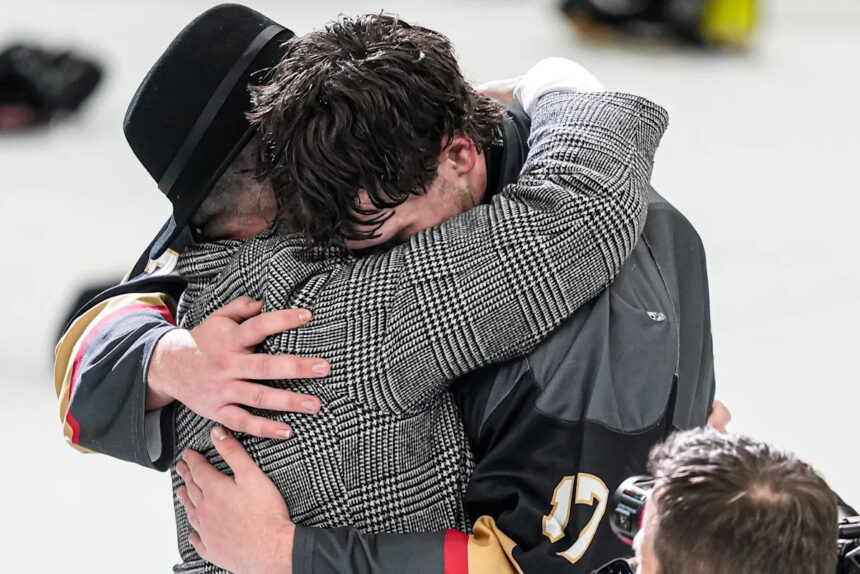
The game stretched on—one overtime, then two, then three. Fatigue set in, both physical and emotional. Finally, in a fourth overtime period, Blackstone Valley found the net, securing a 3-2 victory and the state championship. The eruption of joy was tinged with profound release. Teammates mobbed the goal-scorer, but many quickly sought out Dorgan, embracing him in a scrum of tears, sweat, and unimaginable shared experience.
Critical Elements of the Championship Win:
- Colin Dorgan’s Clutch Goal: The game-tying, late-regulation goal that embodied the team’s spirit.
- Historic Endurance: A quadruple-overtime battle, one of the longest in state finals history.
- Collective Triumph: The win was secured by a different player, highlighting the “team-first” ethos that carried them.
- Emotional Aftermath: A celebration where grief and joy coexisted, visible on the faces of every player and fan.
Expert Analysis: The Psychology of Sports in the Face of Trauma
From a sports psychology perspective, Blackstone Valley’s run is a compelling case study in athletic trauma response. Dr. Evelyn Marsh, a sports psychologist consulted for this article, notes that the team’s success is not coincidental. “In the wake of trauma, a sports team can provide a critical structure—a familiar routine, a shared goal, and a built-in support system. For Colin and his teammates, the rink became a sanctuary for processing grief through action, not just words.”
The decision to dedicate the season created a powerful, unifying “why” that superseded individual performance anxiety. The immense external pressure of a state final was paradoxically dwarfed by the internal pressure they had already been navigating for weeks. This can sometimes free athletes to perform in a more present, determined state.
Furthermore, the community’s role cannot be overstated. The opposing teams, the fans, the statewide media—all treated Blackstone Valley with a palpable reverence and support. This created a protective ecosystem of goodwill around the team, allowing them to focus on the task at hand. Their journey became Rhode Island’s journey.
Looking Ahead: Legacy and the Path Forward
Predicting the long-term impact of such an experience is difficult, but certain legacies are already clear. This team has etched its story into Rhode Island sports lore not for the length of the overtime, but for the depth of its meaning. The championship banner will forever be a dual symbol: of supreme athletic achievement and of human resilience.
For the players, especially Colin Dorgan, the path forward will continue to be challenging. The final buzzer did not end the grieving process. However, they have created an indelible touchstone of strength. They have shown that it is possible to carry loss while also moving forward, that joy and sorrow can intersect in a moment of triumph.
This story will likely inspire other teams and communities facing adversity. It underscores the role of sports as a communal healing force, a theater where real-life drama is played out with tangible stakes. We can expect the Blackstone Valley team to be invited to speak about resilience, to be honored beyond the sports pages, and to serve as quiet ambassadors for the power of team solidarity.
Conclusion: More Than a Game
The Blackstone Valley hockey team’s state championship is a narrative that will resonate far beyond the confines of high school sports. It is a stark reminder of the suddenness of tragedy and the enduring strength found in community. They did not win because of a tragedy; they won in spite of it, fueled by a love for their teammate and the families they represented on the ice.
Colin Dorgan’s goal, and his team’s ultimate victory, stand as a powerful rebuttal to despair. In a four-overtime epic, they demonstrated that while some moments in life are unfairly and brutally short, others can be extended through sheer will and heart—long enough to find a way to win, to honor, and to heal. They played for a state title, and in doing so, they gave a grieving community something priceless: a memory of light, forged in their darkest hour.
Source: Based on news from Yahoo Sports.