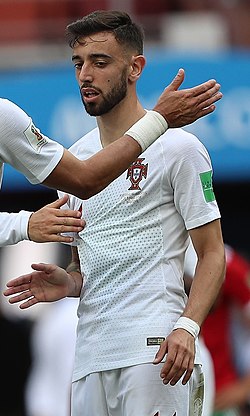
Man Utd’s Mason Bennett Opens Up on Family Tragedy: “I Can Never Feel Like I Did That Day”
In the high-stakes world of professional football, where narratives are often shaped by transfer fees, tactical systems, and matchday results, a profoundly human story has cut through the noise. Manchester United’s emerging academy talent, Mason Bennett, has bravely shared the details of a personal tragedy that has irrevocably shaped his young life and career. In a raw and moving account, Bennett speaks of a loss so profound that it has redefined his perspective on football, family, and the very essence of his own emotions, stating simply: “I can never feel like I did that day.” This is not just a story about a footballer’s grief; it’s a lesson in resilience, a window into the mental battles fought off the pitch, and a testament to the support structures within modern clubs.
The Unseen Foundation: Family, Loss, and a Promise
For many fans, Mason Bennett appeared as another bright prospect rising through the famed Carrington academy. His pace, direct dribbling, and eye for goal quickly marked him as one to watch. Yet, behind the relentless training and youth team fixtures lay a personal reality far removed from the glamour associated with the Manchester United badge. Bennett has revealed the foundational role his family played, and the seismic shock of losing a central pillar of that unit.
The tragedy, the details of which Bennett has chosen to keep respectfully private while acknowledging its impact, struck at a pivotal moment in his development. He describes the before and after in stark terms. The unburdened joy of a teenager living his dream was replaced by a weight of maturity no young person should have to bear. “Football became an escape, but also a responsibility,” Bennett explains. The pitch transformed from a playground into a sanctuary where he could honor a loved one’s memory, playing not just for himself or the club, but for someone who could no longer be there in the stands. This sense of purpose, forged in grief, has become a key driver in his professional mindset.
Inside the Club’s Support System: More Than Just Talent Development
Bennett’s story throws a crucial spotlight on the evolving role of top football clubs as holistic support institutions. Manchester United’s handling of this situation offers a blueprint for how modern organizations can nurture talent beyond physical conditioning and technical drills. The club’s response was immediate and multifaceted, focusing on the individual before the athlete.
- Immediate Psychological Support: The club’s dedicated psychology and welfare team engaged with Bennett, providing a confidential and professional space to process his grief. This wasn’t about performance, but about personal well-being.
- Flexible Integration: Coaching and academy staff offered flexible training schedules and managed expectations, allowing Bennett the time and space he needed without pressure, understanding that healing is not linear.
- Creating a “Football Family”: Senior players and fellow academy graduates were subtly encouraged to offer informal support, fostering an environment where Bennett felt surrounded by a second family. This community aspect is vital in combating the isolation grief can bring.
This approach underscores a significant shift in elite sports. Clubs are increasingly recognizing that mental fortitude is built on a foundation of emotional health, and that investing in a player’s personal life is intrinsically linked to unlocking their long-term potential on the pitch.
Expert Analysis: Grief, Performance, and the “New Normal”
From a sporting psychology perspective, Bennett’s journey is a powerful case study. Dr. Eleanor Vance, a specialist in athlete mental health, analyzes the situation: “What Mason describes is the permanent recalibration of one’s emotional baseline. The ‘never feeling like I did that day’ line is profoundly accurate. It’s not about perpetual sadness; it’s about the integration of loss into a new identity.”
This integration, experts argue, can paradoxically become a source of strength. The pressure of a Premier League debut or a crucial penalty kick is contextualized against a far greater life challenge. Bennett likely operates with a hardened perspective that can insulate him from the trivial anxieties that affect other players. His motivation is now dual-layered: the professional ambition shared by all elite athletes, and a deeper, more personal driver rooted in legacy and memory.
However, the path is fraught with challenges. The cyclical nature of football—with its intense highs and very public lows—can unpredictably intersect with the grieving process. A missed chance or a poor team result might resonate differently for someone carrying a significant emotional load. This is where the club’s ongoing support is critical, helping Bennett navigate these intersections without his grief becoming entangled with his performance metrics.
The Road Ahead: Predictions for Bennett’s Future at United
Given this context, what can be expected of Mason Bennett as he pushes for first-team recognition at one of the world’s most scrutinized clubs?
1. A Mature Head on Young Shoulders: Bennett will likely exhibit a level of maturity in interviews and on-pitch decision-making that belies his years. Coaches may come to rely on his grounded perspective within the often-frenetic academy and first-team environments.
2. Resilience as a Trademark: His ability to overcome adversity off the pitch is expected to translate into a stubborn resilience on it. Expect a player who does not hide after a mistake, one who possesses the inner fortitude to demand the ball again and again.
3. A Deep Connection with the Badge: For Bennett, playing for Manchester United may carry a significance beyond the norm. It represents the culmination of a journey supported by his family and continued in their honor. This can foster an exceptional level of commitment and pride when representing the club.
The ultimate prediction is that Bennett’s story, while born of tragedy, will become a cornerstone of his professional identity. It will not define him solely as a player, but it will inform the character he brings to the dressing room and the pitch. In an era where fans crave authentic connections with players, Bennett’s humanity and vulnerability, coupled with his obvious talent, could make him a future fan favorite.
Conclusion: A Story That Transcends the Sport
Mason Bennett’s decision to open up about his family tragedy is an act of immense courage. In doing so, he has highlighted a universal truth often obscured by football’s bright lights: the players are human beings first, athletes second. His poignant reflection—“I can never feel like I did that day”—is a sentiment that resonates far beyond the confines of sport, touching anyone who has experienced profound loss.
For Manchester United, this episode reinforces the importance of their human-centric support systems, which are as vital as any tactical innovation. For aspiring athletes, it’s a lesson that personal history is not a distraction from greatness but can be woven into its very fabric. And for fans, it’s a reminder to see the person behind the jersey. Mason Bennett’s journey at Old Trafford is just beginning, and he carries with him a story of pain, love, and resilience that will make every future success, should it come, feel all the more meaningful. His path is a testament to the idea that while we cannot control the tragedies that befall us, we can choose how we carry them forward—and for Bennett, he carries his onto the hallowed turf of the Theatre of Dreams.
Source: Based on news from Sky Sports.
Image: CC licensed via commons.wikimedia.org