Sitting with Ferguson and Getting ‘Knocked Out’: A Photographer’s Unforgettable Night in the Dugout
The Manchester United dugout during a European night is a sacred, pressurized space. It’s a cockpit of tactical fury, a theater of simmering passion, where the fate of matches is wrestled with in shouts and scowls. For a photographer, it is hallowed ground to be observed from behind a lens, never occupied. But on one rain-lashed night in Moscow in 1992, the barrier between observer and participant was blown apart by a simple, gruff invitation from the most formidable figure in English football.
A Storm in Moscow and a Soaking Dilemma
The setting was a UEFA Cup match against Torpedo Moscow. The weather was atrocious, a classic Eastern European deluge that turned the pitch into a quagmire and the sidelines into a watercourse. Huddled trackside was Magi Haroun, a photographer for the *Today* newspaper. As the first female photographer to be granted Premier League accreditation, she was already a pioneer, but nothing could prepare her for this moment. Soaked to the skin, “literally dripping,” she was battling the elements for the perfect shot when the call came.
Sir Alex Ferguson, then still cementing his legacy at United, glanced over. He saw a dedicated professional being punished by the weather. In an act of startling, no-nonsense kindness, he gestured for her to abandon her post. The offer was unprecedented: a dry seat in the dugout, right between himself and his assistant, Brian Kidd. Haroun faced an instant, career-defining dilemma: remain in the punishing rain for the ideal angle, or accept the shelter and step directly into the inner sanctum of Manchester United.
For Haroun, whose career was built on navigating “unlikely positions,” the choice was clear. She took the seat. In doing so, she didn’t just escape the rain; she crossed a threshold, trading the detached perspective of the photographer for the visceral, pounding heartbeat of the game as felt by its most intense conductor.
Inside the Pressure Cooker: More Than Just a Seat
The dugout is not a grandstand. It is an extension of the pitch, a place where emotions are raw and communication is explosive. For Haroun, the shift from observer to temporary insider was jarring and illuminating.
- The Physicality of Management: Ferguson was not a passive spectator. His reactions were physical, volcanic. “Getting ‘knocked out’,” as Haroun would later describe, wasn’t a metaphor. A sudden jerk of Ferguson’s elbow, reacting to a missed chance or a referee’s decision, was a very real hazard. The dugout was a space of kinetic energy.
- The Unfiltered Dialogue: The conversation between Ferguson and Kidd was a rapid-fire stream of tactical assessments, player admonishments, and strategic adjustments. This wasn’t the polished post-match interview; this was the live, uncensored feed of football management at its most intense.
- A Unique Perspective: From her soggy spot on the sidelines, Haroun was framing moments. From the bench, she was living the tension that *created* those moments. The weight of expectation, the flare of frustration, the calculating pause—she was now sensing the game through Ferguson’s own rhythm.
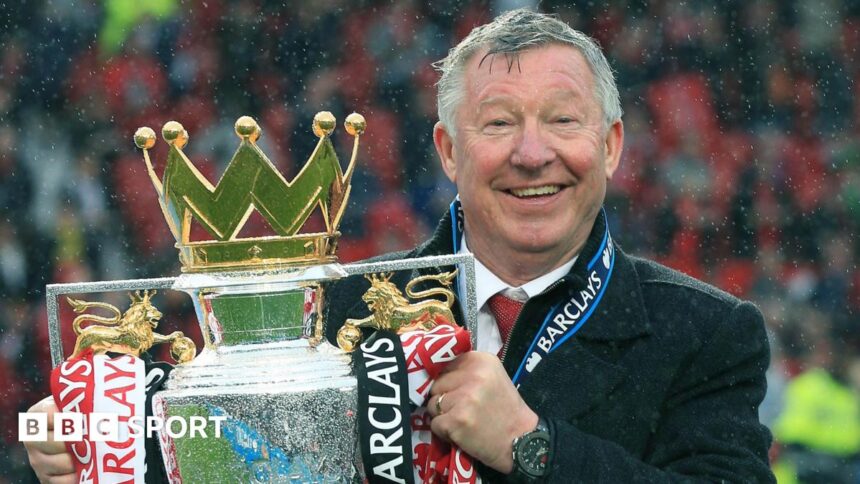
This experience transcended the act of taking a photograph. It was about absorbing the atmosphere that defines iconic images. The now-famous picture of Ferguson with the Premier League trophy is a portrait of triumph, but the Moscow dugout was a masterclass in the arduous, often fraught, journey to such peaks.
The Legacy of Access and the Changing Lens
Haroun’s story is a poignant snapshot of a different era in football journalism and access. A manager inviting a drenched photographer into the dugout speaks to a less guarded, though no less competitive, time. Today, such an act is almost unthinkable. Dugouts are fortresses, protected by protocols and PR minders. The human, spontaneous gesture Ferguson displayed is now often lost in the corporate machinery of the modern game.
Her pioneering role as the first accredited female Premier League photographer also highlights a significant evolution. She entered a fiercely male-dominated world, not through a designated diversity initiative, but through sheer skill and resilience. Her presence, and her acceptance by a figure like Ferguson, paved a subtle but important path. It normalized the idea that the lens, not the gender of the person holding it, was what mattered in capturing the story.
This incident raises critical questions for sports journalism today:
- Has the quest for controlled access cost us genuine insight into the human drama of sport?
- Can today’s photographers ever gain such an intimate, unvarnished understanding of their subjects?
- Does the sanitized, branded version of the game ultimately diminish the power of its visual storytelling?
The magic of Haroun’s tale is that her greatest insight didn’t come through her viewfinder that night, but through the seat of her pants, wedged between two giants of the game.
Conclusion: The Shot Not Taken, The Story Forever Kept
Ironically, the most memorable night of Magi Haroun’s professional life likely yielded few, if any, usable photographs from her time on the bench. The iconic shot from that era remains the one of a triumphant Ferguson with silverware. But the true trophy was the experience itself—a story more vivid than any single frame.
It reminds us that the most powerful stories in sport often exist just outside the frame. They are in the damp silence before the roar, the tense whisper before the shout, and in the unexpected kindness of a legendary manager offering a dry seat to a soaking wet photographer. Haroun’s tale is a testament to the human moments that fuel football’s legend, moments that no amount of high-definition broadcasting or social media content can truly replicate. It was a night she got ‘knocked out’ by Ferguson’s elbow, but forever knocked into her senses the raw, unfiltered soul of the game she dedicated her career to capturing. In an age of curated perfection, we could use a few more stories—and a few more seats—like that.
Source: Based on news from BBC Sport.