Stokes’ Agony: England Captain Succumbs to Adductor Injury in Final Ashes Test
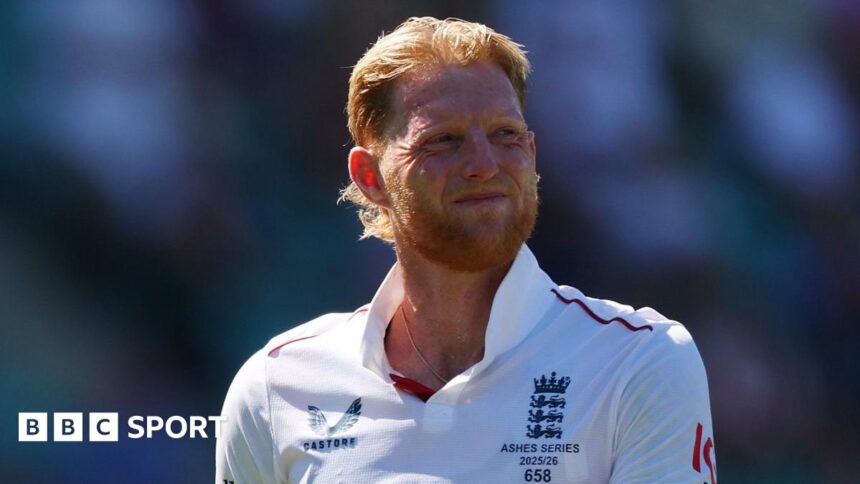
The image was one of painful, weary resignation. Ben Stokes, England’s lionhearted captain, pulled up mid-action on the fourth morning at the Sydney Cricket Ground, his right hand clutching his groin. After just ten deliveries into a spell of desperate intent, his body, like England’s Ashes campaign, had finally broken. The sight of Stokes trudging from the SCG, head bowed, encapsulated a tour defined by heroic individual efforts ultimately undone by collective fragility and cruel misfortune. His adductor injury is more than a physical blow; it is a symbolic full stop on an exhausting, punishing series for English cricket.
The Moment of Breakdown: A Campaign’s Final Straw
The context made the moment even more poignant. England, battling to salvage pride and a draw in the final Test, needed their leader’s tireless spirit. Stokes had taken the ball himself, aiming to inject fire into a crucial morning session. His run-up carried its usual purpose, but the tenth delivery told the story. Completing his follow-through, he immediately seized his right groin, his face contorted in familiar pain. There was no prolonged assessment, no testing it out. The all-rounder knew instantly. He handed the ball to umpire Paul Wilson and began the long walk back, handing control of the England team to vice-captain Harry Brook, a young batter experiencing a baptism of fire in leadership.
This was not an isolated incident but the culmination of a brutal workload. Stokes has been managing a chronic left knee condition throughout the series, severely limiting his bowling. To see him break down on the opposite side of his body underscores the physical toll of carrying England’s hopes. He became yet another casualty of England’s awful Ashes tour, a sick bay that already includes key fast bowlers and a depleted coaching staff. The SCG crowd, respectful of a great competitor, offered sympathetic applause as he disappeared into the pavilion, his day almost certainly over as a bowler.
Expert Analysis: The Impact on Stokes and England’s Balance
From a tactical perspective, Stokes’ injury is a catastrophic blow to England’s already slim chances of victory in Sydney. It strips the side of a crucial balancing component and a bowler capable of game-changing spells. More concerning, however, is the long-term outlook for the player himself.
Stokes is the undisputed heartbeat of this England Test side. His value transcends statistics:
- Leadership Magnetism: His aggressive, never-say-die captaincy has redefined England’s mindset. On the field, he is the tactical and emotional engine.
- Critical Balance: As a genuine all-rounder, he allows England to play a five-bowler attack while strengthening the batting. Without his bowling, the team’s structure is fundamentally compromised.
- Big-Moment Pedigree: Stokes has built a career on producing the impossible. His absence removes the one player Australia fear most in a tight situation.
Sports medicine experts will now be deeply concerned about the compounding nature of his injuries. An adductor strain, coupled with his persistent knee issue, paints a worrying picture for a 31-year-old whose game is built on physical intensity. The management of his workload, particularly with the ‘Bazball’ philosophy demanding high-octane cricket, becomes the paramount concern for English cricket.
Predictions: Ripple Effects for England’s Future
The immediate fallout is clear: England must navigate the remainder of this Test and a busy future schedule without their premier all-rounder’s bowling. But the implications stretch far beyond the SCG. We can anticipate several key developments:
1. A Return to the Drawing Board for Team Balance: Coach Brendon McCullum and the selectors must now plan as if Stokes the bowler is a sporadic bonus, not a guarantee. This necessitates finding a genuine all-round alternative or permanently shifting to a four-bowler strategy, which contradicts their attacking ethos.
2. Intensive Rehabilitation and Management: Stokes will face a significant period of rehab. The priority will be the adductor injury, but equal focus must be on his knee. His preparation for the English summer and beyond will be meticulously managed, likely involving extended breaks from the game.
3. Leadership Under the Microscope: While Stokes’ captaincy is unquestioned, this incident highlights the need for a robust deputy. Harry Brook’s brief tenure in charge was a glimpse into a potential future, emphasizing the importance of developing leadership depth within the squad.
4. Mental and Physical Reset: The entire England squad, Stokes foremost, requires a prolonged mental and physical reset after this tour. The relentless schedule and this series of injuries call for a serious review by the ECB about player welfare in the modern era.
A Symbolic End to a Grueling Campaign
Ben Stokes leaving the field at the SCG is the defining, somber image of England’s Ashes tour. It was a campaign that began with bold talk of a miracle and ends with the stark reality of physical and mental depletion. Stokes, the man who specializes in miracles, was finally out of them, defeated not by the opposition but by the limits of his own body.
His injury is a powerful metaphor for England’s journey: a burst of initial effort and hope, gradually worn down by relentless pressure, until something fundamental gives way. As Stokes left the field on the fourth morning of the fifth Ashes Test, he took with him the last flicker of England’s competitive fire in this series. The road to recovery for the captain, and for the team he inspires, begins now. The challenge is not just to heal the muscles, but to rediscover the invincible spirit that has defined the Stokes era, ensuring this painful moment in Sydney is a setback, not a sunset.
Source: Based on news from BBC Sport.