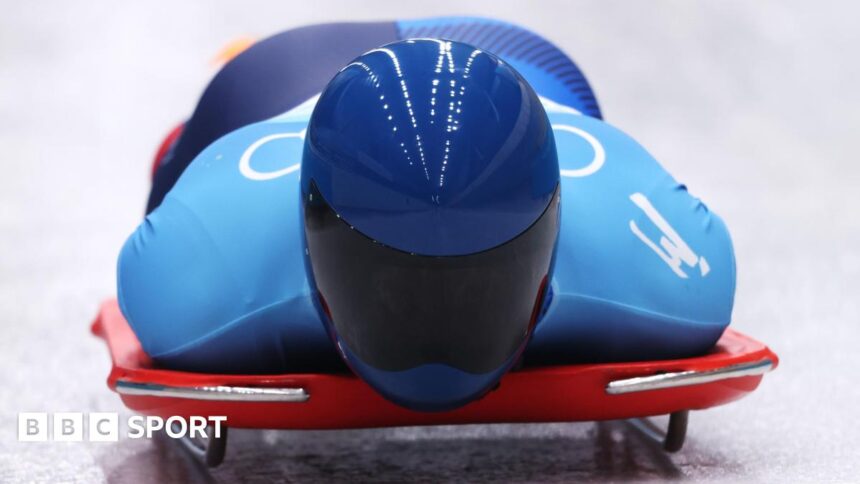
Team GB’s “Aero Helmet” Appeal Dismissed: A Setback on the Cortina Ice Track
The razor-thin margins of Olympic skeleton, where victory is measured in hundredths of a second, are often decided by a combination of athletic brilliance and technological innovation. For Team GB, a perennial powerhouse in the icy chute, the quest for a crucial aerodynamic edge has collided head-on with the rulebook, resulting in a significant pre-Games setback. The Court of Arbitration for Sport (Cas) has dismissed the British appeal, definitively barring their controversial new helmets from competition at the Cortina 2026 Winter Olympics. This decision throws the team’s preparation into disarray and ignites a fierce debate over the delicate balance between safety, innovation, and sporting integrity in high-speed winter sports.
The Anatomy of a Controversy: Design vs. Regulation
At the heart of the dispute is a helmet that looks fundamentally different from the sleek, rounded domes familiar to skeleton spectators. The key point of contention, as identified by both the International Bobsleigh and Skeleton Federation (IBSF) and upheld by Cas, is the helmet’s rear profile. The British design features a pronounced protrusion at the back of the helmet, a departure from the traditional, smoother shape. To the sport’s governing bodies, this was not a minor aesthetic tweak but a deliberate aerodynamic modification.
Cas’s ruling was unequivocal. They determined the design was “clearly been designed to specifically enhance aerodynamic performance,” effectively classifying it as an illegal technical aid. The IBSF’s existing rules are explicit: helmet shape must not be altered to gain an aerodynamic advantage. The British Bobsleigh and Skeleton Association (BBSA), however, presented a starkly different narrative. They argued the helmet’s unique form was conceived primarily with safety in mind, engineered to comply with new safety regulations slated for introduction in the 2026-27 season—regulations that mandate enhanced protection for the rear of the head.
This created a paradoxical pre-Games dilemma: a helmet built for future safety standards is illegal under current competition rules. The visual comparison is stark; the helmets worn to bronze and gold medal success by Laura Deas and Lizzy Yarnold in Beijing 2022 are notably more rounded, while the Cortina prototype presents a sharper, more elongated silhouette aimed at meeting impending safety benchmarks.
Expert Analysis: The Aerodynamic Advantage and a Strategic Miscalculation
From a sports engineering perspective, the Cas ruling is hardly surprising. In a sport where athletes descend face-first at speeds exceeding 80 mph, with their head positioned as the leading point, aerodynamic performance is paramount. Any protrusion that alters the smooth laminar flow of air over the athlete’s body can reduce drag, potentially yielding precious time. “The head is the tip of the spear in skeleton,” explains a former Olympic sliding sports engineer. “Even a minuscule reduction in drag coefficient at that focal point can have a measurable impact over the length of a track. The IBSF’s rule is intentionally strict to prevent a technological arms race that could overshadow athletic skill.”
The BBSA’s strategic decision to develop and attempt to certify this helmet years ahead of the new safety rule’s implementation now appears to be a critical miscalculation. Their argument—that they were simply being proactive on athlete welfare—has been overshadowed by the aerodynamic performance implications. The timing suggests an attempt to gain a competitive advantage under the guise of safety preparedness, a nuance not lost on the Cas panel or rival nations. This incident echoes past Olympic controversies, such as the banning of certain high-tech swimsuits in swimming, where the line between equipment and performance-enhancing technology was decisively redrawn.
The key takeaways from the experts are clear:
- The Rule is King: Regardless of intent, equipment must comply with the letter of the law as it stands at the time of competition.
- Safety vs. Speed: The case highlights the inherent tension between advancing protective gear and maintaining a level competitive field.
- Strategic Risk: Investing significant R&D resources into a design that pushed regulatory boundaries has backfired, costing the program time, money, and momentum.
Medal Implications and Team GB’s Path Forward in Cortina
This ruling is more than a bureaucratic hiccup; it is a tangible blow to Team GB’s medal ambitions. Skeleton has been Britain’s most consistent source of Winter Olympic glory since 2002. The psychological and practical impact of losing a perceived technological edge cannot be understated. Athletes train for years with specific equipment, and the helmet’s aerodynamics would have been integrated into their performance data and mental preparation.
Now, the team must revert to older, compliant helmet models. The immediate challenges are multifaceted:
- Mental Recalibration: Athletes must shed any dependency on the performance data or feeling of the new helmet.
- Technical Regression: They are forced to use equipment that the federation itself implies will be outdated from a safety perspective in just over a year.
- Competitive Morale: Rivals will be emboldened, seeing a key contender hampered on the eve of the Games.
However, writing off Team GB’s skeleton prospects would be foolish. The program’s success has been built on exceptional coaching, athlete development, and sled technology—which remains untouched by this ruling. The core skill of the slider—their driving line, their start, their nerve—remains the largest factor. The helmet issue, while significant, may galvanize the team, fostering a “backs against the wall” mentality that could see them perform with even greater focus.
Conclusion: A Defining Moment for Innovation in Skeleton
The dismissal of Team GB’s helmet appeal by Cas is a landmark decision with reverberations beyond the Cortina track. It serves as a powerful reaffirmation of the IBSF’s authority to police equipment and maintain a focus on athletic, rather than technological, competition. While the BBSA’s safety-forward argument held public relations appeal, the court found the aerodynamic performance evidence too compelling to ignore.
This episode forces a necessary conversation about the governance of innovation in winter sports. It underscores the imperative for clear, timely communication between governing bodies and national federations regarding new safety regulations. Had the IBSF’s future rules been finalized and distributed earlier, this clash may have been avoided. As the sport moves toward 2026, all eyes will now be on how the IBSF manages the impending helmet safety overhaul to ensure a smooth, equitable transition.
For Team GB, the path is now clear, if less technologically sleek. Their medal hopes will rest, as they always have, on the courage and skill of their athletes hurtling down the ice. The rejected helmet will become a footnote of “what might have been,” but the race for Olympic gold in Cortina remains fiercely, and now more traditionally, open.
Source: Based on news from BBC Sport.