Contrast in Cortina: U.S. Athletes Hailed, VP Vance Met with Boos at 2026 Winter Olympics Opening
The 2026 Milano Cortina Winter Olympics officially ignited not just with a flame, but with a stark, symbolic contrast. On a crisp February night at Milan’s iconic San Siro Stadium, the pageantry of the Parade of Nations unfolded with its typical global unity. Yet, a moment of raw, unfiltered political reality pierced the ceremony, creating an indelible split-screen: the thunderous cheers for American athletes swiftly turning to resonant boos for their nation’s vice president.
A Chilly Night, A Warm Welcome for Team USA
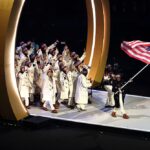
As the ceremony progressed, anticipation built for the entrance of Team USA, the third-to-last delegation before hosts Italy. When they emerged, the scene was one of pure Olympic spectacle. Speed skater and gold medal hopeful Erin Jackson, a beacon of grace and power, led the contingent, waving the Stars and Stripes on a stage beneath shimmering gold Olympic rings. The American team, clad in their classic Ralph Lauren winter ensembles, beamed as they marched. The crowd’s response was immediate and enthusiastic—a wave of cheers affirming the universal respect for the athletes and the Olympic spirit they embody.
This moment was uniquely modern, reflecting the decentralized nature of the 2026 Games. The Parade of Nations was held simultaneously across four venues. While Jackson led at San Siro, bobsledder Frank Del Duca carried the flag in Cortina d’Ampezzo, with other U.S. athletes entering in Livigno and Predazzo based on their competition venues. This innovative format ensured every athlete could participate closer to their Olympic “home,” yet the symbolic heart of the moment remained in Milan.
The Jumbotron Shift: From Cheers to Jeers
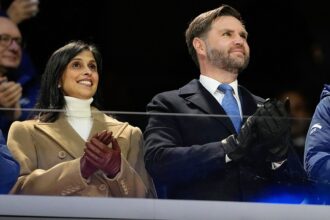
The atmosphere shifted palpably when the stadium cameras found U.S. Vice President JD Vance and Second Lady Usha Vance in the grandstand. Vance, waving miniature American flags, was shown on the massive Jumbotron screens. The crowd’s warm cheers curdled into a loud, sustained chorus of boos that echoed through the historic soccer cathedral.
This was not a protest against a nation, but a pointed political statement directed at a specific figure. The reaction highlighted several key dynamics at play in the modern Olympic landscape:
- Global Political Stage: The Olympics have long been a platform for political expression, both intentional and inadvertent. A visiting high-profile political leader, especially one with a sharply defined and often divisive domestic and foreign policy record, becomes a lightning rod for international public sentiment.
- European Audience Sentiment: The reaction in Milan, a European capital, likely reflects broader continental perspectives on current U.S. foreign policy, climate initiatives, and domestic political rhetoric associated with the Vance ticket. The boos served as a real-time barometer of overseas opinion.
- The Athlete-Politician Divide: The moment perfectly crystallized the separation the public often makes between a country’s representatives and its people—especially its athletes. The crowd adeptly distinguished between celebrating American sporting excellence and critiquing its political leadership.
Expert Analysis: Navigating the Political in the Olympic Sphere
“The Olympics exist in a tense, fascinating space between the ideal of apolitical sport and the inescapable reality of global politics,” says Dr. Anya Petrova, a professor of Sports Sociology and Geopolitics. “What we witnessed in San Siro is a classic example. The athletes, representing the hope and unity of the Games, are almost always embraced. The politicians sitting in the stands, however, represent the complexities and conflicts of the governing world. The crowd was not rejecting America; it was reacting to a specific political symbol.”
This incident underscores the immense pressure on the International Olympic Committee (IOC) to maintain its cherished neutrality. While the IOC famously discourages political protest by athletes on the podium, it has little control over the organic reactions of a 70,000-strong crowd to a visiting dignitary. The Vance episode demonstrates that politics can enter the stadium through the VIP entrance as easily as through an athlete’s raised fist.
Furthermore, the decentralized opening ceremony format itself is a political and logistical statement. By hosting parallel events across Italy, organizers aimed to showcase the diverse regions of the host nation and reduce the carbon footprint of mass travel—a nod to contemporary environmental concerns. It also diffused the traditional single-stage moment, though the Milan ceremony clearly remained the focal point for global headlines.
Predictions: Will the Shadow Linger Over the Games?
The opening ceremony moment is unlikely to be an isolated incident. Here’s what to watch for as the Games proceed:
- Media Framing: How will U.S. and international media cover Team USA’s performances? Will the Vance boos become a recurring footnote, or will athletic stories successfully dominate the narrative? The U.S. Olympians themselves will be keen to refocus attention on their years of preparation and competition.
- Security and Protocol: Expect heightened, albeit discreet, security around the Vice President’s movements at other events he attends. Diplomatic protocols will be strictly observed, but his public appearances will be meticulously managed.
- Athlete Responses: In press conferences, American athletes will inevitably be asked about the incident. Their responses will be a delicate dance, emphasizing team pride and Olympic focus while navigating questions about their nation’s political profile. Most will likely express pride in representing their country and gratitude for the crowd’s initial support.
- Social Media Amplification: The viral clip of the cheers-turning-to-boos will fuel endless online debate, becoming a potent symbol used by both domestic political factions and international commentators. The digital afterlife of the moment may overshadow the actual duration of the boos.
Conclusion: The Unifying Power of Sport Faces a Test
The 2026 Winter Olympics have begun under a complex banner. The stirring sight of Erin Jackson and Frank Del Duca carrying the flag, and the unified cheers for the American team, reaffirmed the timeless power of the Olympic ideal. Athletes from across the globe have converged in Italy for a celebration of human potential, resilience, and peaceful competition.
Yet, the resonant boos for Vice President Vance are an equally powerful reminder that the Games do not exist in a vacuum. They are a mirror held up to the world, reflecting not only our capacity for unity but also our enduring divisions. The true test of these Olympics will be whether the former can ultimately triumph over the latter. Can the breathtaking feats on the slopes, rinks, and tracks of Cortina, Predazzo, and Livigno become the story that endures? The world will be watching, hoping that the final, dominant sound of these Games is not the jeers of a political moment, but the collective roar of appreciation for athletic greatness that knows no border.
Source: Based on news from Yahoo Sports.