Wales Bolster Second Row as Rhys Davies Receives Six Nations Call-Up
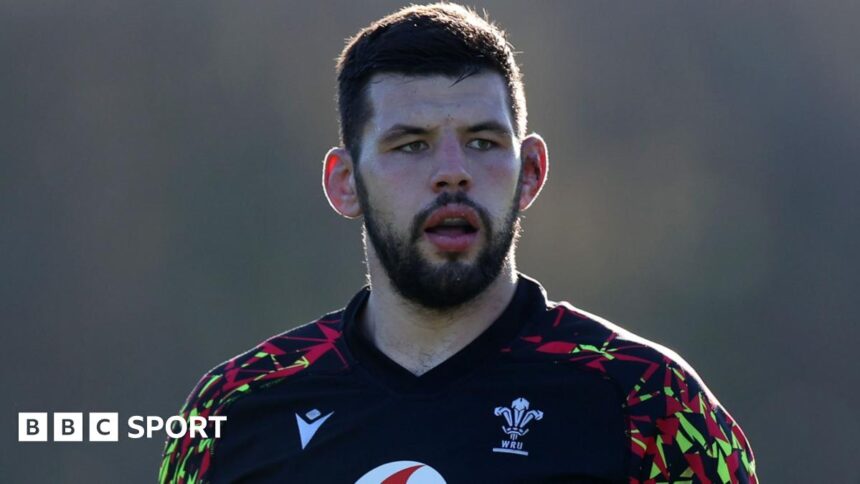
In a move that underscores both the relentless churn of international rugby and the specific challenges facing Welsh rugby, lock Rhys Davies has been summoned to join Steve Tandy’s Wales squad for the remainder of the Guinness Six Nations. The Ospreys second-row, initially a notable omission from the 38-man group, returns to the fold as Warren Gatland’s side looks to build on a spirited performance against England. This call-up is more than a simple personnel change; it’s a narrative laced with resilience, regional uncertainty, and the perpetual search for the right engine-room blend.
A Rollercoaster Journey: From Twickenham Omission to Squad Stalwart
Rhys Davies’s international career, though only four caps old, has already been a study in contrasts. The 27-year-old made his debut in the 2023 Six Nations, but his most recent start was a baptism of fire—the 73-0 demolition by South Africa in the autumn. That experience, a low point for the entire Welsh setup, seemingly cost him a spot in the original championship squad. His recall, therefore, is a significant testament to his mental fortitude and his perceived value within the Welsh coaching hierarchy.
Davies has not let his international omission define his season. For the Ospreys, he has been a consistent, physical presence, offering the kind of hard-nosed set-piece work and abrasive carrying that Test rugby demands. His recall suggests that the coaches see a player who has learned from the harsh lessons of the Springbok defeat and possesses the attributes needed for the brutal forward battles that define the Six Nations. It is a classic Gatland move: rewarding form and resilience, while simultaneously deepening the squad’s competitive tension.
Analysing the Lock Logjam: Where Does Davies Fit?
Davies’s inclusion expands the squad to 39 and creates a fascinating selection headache in the second row. Wales are not short for options, but each brings a distinct profile:
- Dafydd Jenkins (Exeter Chiefs): The young skipper has grown into the captaincy role, offering immense work rate, leadership, and lineout prowess. His place is seemingly assured.
- Adam Beard (Montpellier): The experienced campaigner remains a crucial lineout operator and defensive marshal, providing vital know-how.
- Ben Carter (Dragons): A talented younger option, Carter is viewed as a project player with a high ceiling, needing time to develop his physicality.
- Freddie Thomas (Gloucester): Currently battling injury, his timeline is uncertain, which likely precipitated Davies’s call-up.
This is where Rhys Davies carves his niche. He potentially offers a more physically imposing, “enforcer” style compared to Carter’s developing frame and provides immediate, fit cover compared to Thomas. His role may initially be from the bench, offering impact and set-piece security in the final quarter. However, his selection signals a direct challenge to the incumbents. In the grueling contests against Ireland and France to come, Wales will need a full arsenal of lock forwards, and Davies’s specific attributes could prove invaluable.
The Ospreys Conundrum: Regional Worry Amidst National Pride
Davies’s call-up makes him the eighth Ospreys player in the national squad, a point of immense pride for the Swansea-based region. Yet, this statistic is tinged with profound irony and concern. As Davies prepares for the pinnacle of the northern hemisphere game, the very future of his professional club remains shrouded in doubt. Welsh rugby’s well-documented financial and structural crises have placed all four regions in precarious positions, with the Ospreys frequently at the centre of speculation.
This creates a paradoxical reality for players like Davies. They are training and competing at the highest level, representing their country with distinction, all while facing an uncertain professional future back at their home region. The potential dissolution or radical downsizing of a club that has produced such a large contingent of the national team is a sobering subplot to this Six Nations campaign. It asks difficult questions about the pathway and sustainability of the Welsh game, even as individuals like Davies seize their moment on the grand stage.
Impact and Predictions: What Davies Brings to Wales’s Campaign
Looking ahead, Davies’s recall is a pragmatic and potentially astute move. Wales’s remaining fixtures—away to Ireland and at home to France—demand physicality, set-piece solidity, and squad depth. Davies strengthens all three areas. His presence allows Wales to manage the workload of Jenkins and Beard, particularly with a five-day turnaround between the Irish and French clashes.
Expert analysis suggests his primary impact will be felt in training initially, pushing the starting locks harder and providing a specific simulation of the powerful opponents to come. However, a bench appearance, particularly in the ferocious forward battle expected against France in Cardiff, is a strong possibility. If selected, his key performance indicators will be:
- Lineout disruption and securing own ball.
- Gain-line success with ball in hand.
- Defensive ruck presence to slow opposition ball.
Prediction: Davies will feature in at least one of the two remaining matchday 23s. His recall is not for window dressing; it is a strategic addition for the specific, Herculean tasks that await this Welsh pack. His performance could solidify his place for the summer tour and beyond, turning a late call-up into a permanent residency.
Conclusion: More Than Just a Replacement
The summons for Rhys Davies is a microcosm of modern Welsh rugby: a story of individual resilience amid collective adversity. He has overcome a crushing defeat and initial selection disappointment to earn another shot. His call-up addresses an immediate sporting need, providing vital bulk and grit for Wales’s final two Six Nations assaults. Yet, it also highlights the fragile ecosystem from which these players emerge. As one of eight Ospreys in red, his success is a beacon for his region, even as that region’s future flickers uncertainly.
For Davies, this is a second chance forged through unwavering club form. For Wales, it is a logical reinforcement for the war ahead. His journey from the despair of that November afternoon to the possibility of running out in Dublin or Cardiff in the weeks to come encapsulates the brutal, redemptive, and ever-unpredictable nature of Test rugby. The lock door, once closed, has swung open again. It is now up to Rhys Davies to ensure he locks it firmly behind him.
Source: Based on news from BBC Sport.