The Rise, Fall, and Future of Charly Musonda: From Chelsea Prodigy to Premature Retirement
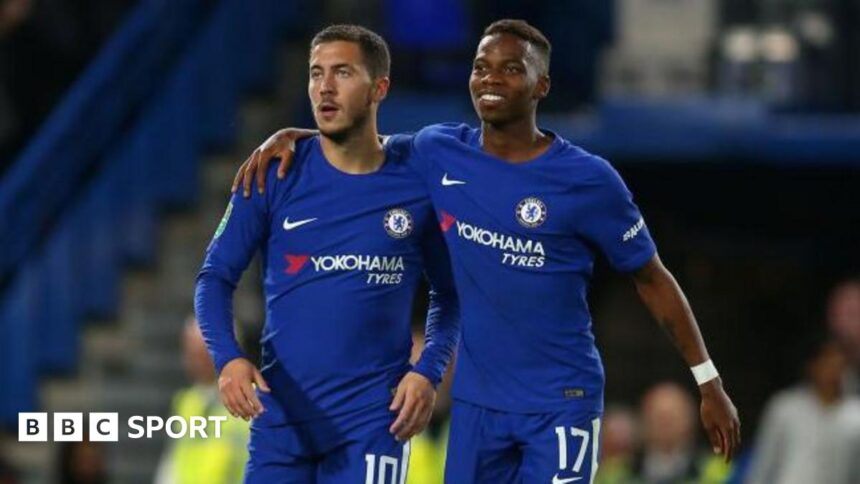
The image is etched in Premier League lore: a fresh-faced teenager, wearing the iconic Chelsea blue, sharing the pitch with his idol Eden Hazard. For Charly Musonda, that 2017 League Cup debut against Nottingham Forest was the culmination of a dream and the launch of what many believed was a certain path to superstardom. Yet, just seven years later, at the age of 28, Musonda announced his retirement from professional football. His story is not just another tale of unfulfilled potential; it is a stark, human narrative of meteoric promise, cruel injury, systemic neglect, and an unexpected new beginning.
A Prodigy’s Promise: The World at His Feet
To understand the magnitude of Musonda’s fall, one must first appreciate the dizzying heights of his ascent. As a youth at Belgian powerhouse Anderlecht, his talent was so luminous it sparked a European scramble. Chelsea, then reigning Champions of Europe, won the race, beating out Manchester United, Arsenal, Real Madrid, and Barcelona for his signature. At Stamford Bridge, he was not just another academy hopeful; he was the crown jewel, a player whose technical flair, low center of gravity, and explosive creativity drew immediate comparisons to Hazard himself.
Under Antonio Conte, he made fleeting first-team appearances, but it was a loan spell at Real Betis in La Liga that truly showcased his genius. In a brief but dazzling cameo, Musonda became an instant fan favorite, weaving through defenses with a fearlessness that belied his age. The football world nodded in confirmation: here was a future world-beater. A subsequent loan to Celtic offered trophies but mixed performances, before a move to Vitesse in the Netherlands aimed to reignite his trajectory. The path, though winding, still pointed firmly upwards.
The Cruel Twist: Injury and Institutional Failure
Then came the pivotal, devastating blow. A serious knee injury suffered at Vitesse halted everything. What followed was a grueling, lonely, and protracted battle for fitness that exposed the often-callous underbelly of elite football. Musonda underwent multiple surgeries and spent over 700 days in rehabilitation—a soul-destroying period for any athlete, let alone one whose game was built on agility and joy.
In a raw and revealing interview with BBC Sport, Musonda laid bare the psychological toll: “I won’t lie. Mentally, yes, it’s been very difficult.” This statement speaks volumes about the silent struggle many injured athletes face. He returned, but the explosive burst was diminished. Chelsea, a club in constant flux, had moved on. After his contract expired, he sought refuge and a fresh start with Anorthosis Famagusta in Cyprus. Instead of revival, he found professional indignity: unpaid wages. This final betrayal, a far cry from the bright lights of Stamford Bridge and the Bernabéu, forced a profound reckoning.
- Physical Breakdown: A catastrophic knee injury required multiple surgeries and years of rehab.
- Mental Health Battle: The isolation and uncertainty of long-term injury created a profound psychological challenge.
- Systemic Neglect: The transition from prized asset to peripheral figure at a loan-heavy club like Chelsea can be abrupt and unsupportive.
- Financial Betrayal: Unpaid wages at Anorthosis represented the final professional disillusionment.
The Decision to Walk Away and a New Horizon
In the summer of 2024, at just 28, Charly Musonda made the stunning announcement: he was retiring from professional football. It was a decision born not of a lack of love for the game, but of a clear-eyed assessment of his physical reality and a refusal to continue a diminishing chase. For many fans, it felt like a tragic ending—a career bookended by that magical Hazard link-up and a quiet, unresolved fade.
However, the most compelling chapter of Musonda’s story may just be beginning. Renewed excitement now surrounds him not on the pitch, but in the director’s box and the boardroom. In his retirement statement, Musonda signaled a bold and ambitious pivot: he has taken over as the new owner and president of FC BX Brussels, a club in the Belgian third tier. This isn’t a ceremonial role; it’s a hands-on mission to build a club, focus on youth development, and reshape the game from the ground up.
This move reframes his entire journey. The experiences—the elite academy, the Premier League pressure, the devastating injury, the financial turmoil—are no longer just scars; they are a unique curriculum. He has seen football’s glittering peak and its grimmest valleys. This perspective is invaluable for someone now tasked with building a sustainable and humane sporting project.
Expert Analysis: A Cautionary Tale and a Blueprint for Change
From a sporting lens, Musonda’s career is a classic cautionary tale about the fragility of talent. It underscores how a single injury can derail even the most gifted, and how the football conveyor belt, for all its investment, can fail its young stars on a human level when they are most vulnerable. His path highlights the specific perils for players at mega-clubs like Chelsea, where competition is ferocious and patience is thin, making long-term injury recovery even more isolating.
Yet, his post-retirement move is potentially revolutionary. Former players often go into coaching or punditry, but direct club ownership at such a young age is rare. It suggests a profound desire to influence the system that once shaped him. At FC BX Brussels, Musonda can implement a philosophy that prioritizes player well-being alongside performance, perhaps creating the supportive environment he sometimes lacked.
Predictions for his success in this new arena are cautiously optimistic. His name carries weight in Belgian football, and his firsthand experience is a powerful tool. The challenges of club ownership are immense—financial, sporting, and administrative. But if he can transfer his football intelligence and resilience to this new domain, he could build something far more lasting than any playing career might have been. He becomes a test case for a new model of post-playing career: the owner-president who is also a peer and mentor to his players.
Conclusion: Redefining Legacy Beyond the Pitch
The story of Charly Musonda is not simply one of faded wonder. It is a multidimensional drama of modern football: hype, injury, mental health, and the business of the game. His premature retirement is a loss for the sport’s highlight reels, but his subsequent move is a gain for its soul and structure.
His legacy is now being written in a different font. It will be measured not in goals or dribbles, but in the club he builds, the young players he guides, and the humane system he might help foster. From sharing a pitch with Eden Hazard to fighting for the future of a community club, Charly Musonda’s journey has taken an extraordinary turn. In walking away from one dream, he may have found a more meaningful one—proving that a career in football can be resurrected, even after it ends, in a role that defines its future.
Source: Based on news from BBC Sport.