Women’s League Cup Set for Radical Revamp: New Format, New Name on the Horizon
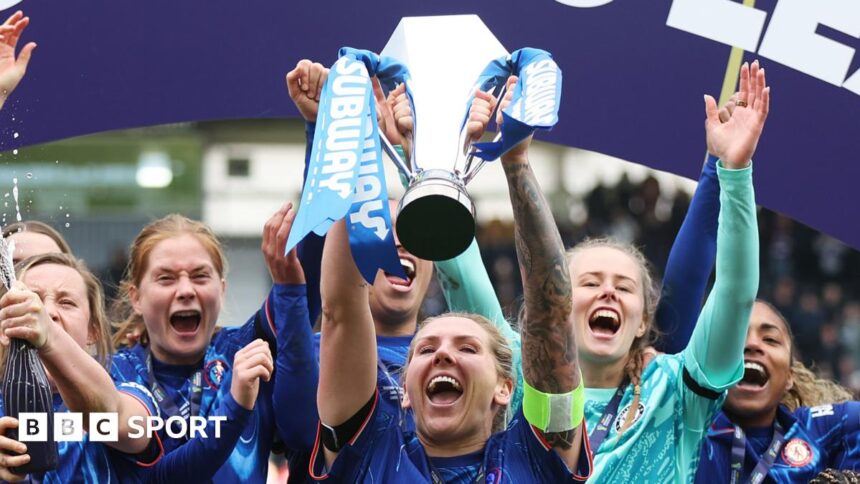
In a move signaling a bold new era for domestic cup competition, the Women’s League Cup is poised for its most significant transformation since its inception. Following Chelsea’s triumph over Manchester City in the 2025 final, the Football Association and Women’s Super League have confirmed sweeping changes set to redefine the tournament’s structure, philosophy, and even its identity. With a shift towards a Champions League-style format and the potential for a rebrand, the revamp aims to address fixture congestion while creating a more dynamic and meaningful competition for the clubs that enter it. This strategic overhaul comes alongside the seismic announcement of a Swiss-style format for the WSL itself, marking a period of intense innovation in the women’s game.
Deconstructing the New Blueprint: From Groups to a League Phase
The current format, often criticized for its complexity and inconsistency, is set for a complete overhaul. At present, the tournament features a mix of round-robin groups for WSL2 and some WSL sides, with Champions League entrants—this season being Arsenal, Chelsea, and Manchester United—joining directly at the quarter-final stage. This has often led to a disjointed feel and questions over competitive balance.
The new model seeks to streamline and elevate the competition by adopting a league phase structure, inspired by the UEFA Champions League reforms. Crucially, WSL clubs who qualify for the Women’s Champions League will not compete in the domestic cup at all. This decision is a double-edged sword: it alleviates a punishing schedule for top clubs but also removes the tournament’s highest-profile names. The focus, therefore, shifts decisively towards providing a premium platform for the remaining WSL teams and those in the Championship.
Key expected changes to the format include:
- A single, unified league phase replacing the current small, regionalized groups.
- Guaranteed more games for all participating teams, enhancing development and commercial opportunities.
- A clear path from the league phase to knockout quarter-finals, semi-finals, and the final.
- Increased broadcast and commercial appeal through a simpler, more prestigious structure.
The Name Game: Why a Rebrand is More Than Just Cosmetic
Alongside the structural surgery, the competition is also considering a change to its name. The “Women’s League Cup” has long been seen as a functional, if uninspiring, title. A rebrand would serve multiple strategic purposes. First, it would distance the new format from the old, signaling a fresh start to fans, broadcasters, and sponsors. Second, it offers an opportunity to create a distinct identity that stands alongside the FA Cup, rather than in its shadow.
Potential naming conventions could lean into partnership titles (following the trend of the Continental Tyres Cup in history), or adopt a more classic, standalone nomenclature that evokes the new format’s prestige. This isn’t merely a marketing exercise; it’s about cementing the competition’s status as a major trophy in its own right, one that offers a clear and valuable route to European qualification for the teams that enter it. A new name, coupled with the new format, aims to make winning it feel as significant as it truly is.
Expert Analysis: The Strategic Drivers Behind the Revolution
This radical shift is not happening in a vacuum. It is a direct response to several pressing challenges and opportunities within the women’s professional game.
Fixture Congestion: With the expansion of the UEFA Women’s Champions League and growing depth in the WSL, calendar space is at a premium. Removing Champions League clubs from the equation is a pragmatic solution to protect player welfare, even if it is controversial. It allows the tournament to exist without forcing top clubs to field heavily rotated sides in early rounds, which can devalue the competition.
Competitive Integrity & Development: The new format promises a more rigorous and balanced test for emerging WSL sides and ambitious Championship clubs. Guaranteeing more games against varied opposition is invaluable for squad development, tactical growth, and financial stability through increased gate receipts. It creates a true “best of the rest” competition that could become fiercely contested.
Commercial Viability: A streamlined, easier-to-follow format with a clear narrative is far more attractive to broadcasters and sponsors. The Swiss-model WSL and a revamped cup create a suite of innovative products to take to the market, driving the revenue needed for continued investment across the leagues.
However, analysts also point to risks. The absence of the “Big Three” or more could initially impact TV ratings and crowd numbers for the latter stages. The success of the model will hinge on the footballing authorities and clubs successfully marketing the new trophy’s prestige and its crucial role in the ecosystem.
Predictions: Who Benefits and the Future Landscape
The immediate beneficiaries of this revamp are clear: the established WSL sides just outside the Champions League bracket and the leading Championship contenders. Clubs like Manchester City, Tottenham, Liverpool, and Aston Villa—should they not secure a UCL spot—would instantly become favorites for the new trophy, adding a major silverware opportunity to their seasonal goals. For them, it transforms from a secondary cup to a primary target.
Furthermore, the introduction of the Swiss-style format for the WSL league phase dovetails with this change. More league games guarantee more revenue and exposure for all WSL clubs, making the overall league structure more robust. The two reforms together paint a picture of a more balanced, sustainable, and exciting domestic landscape.
Predictions for the inaugural season of the new format include:
- A fiercely competitive tournament where the winner is genuinely hard to call.
- Increased investment in squads by clubs who see a tangible path to glory and Europe.
- Initial fan skepticism over the absence of top clubs, giving way to engagement if the football is competitive and the stakes are high.
- Pressure on the FA to secure a lucrative naming rights partner and broadcast deal to validate the new model.
Conclusion: A Calculated Gamble for a Sustainable Future
The transformation of the Women’s League Cup is a calculated gamble, but one rooted in forward-thinking necessity. By sacrificing the participation of its most glamorous names, the competition seeks to build a stronger, more sustainable foundation for the broader women’s football pyramid. It is a move that prioritizes long-term growth and competitive balance over short-term star power.
This revamp, alongside the revolutionary WSL Swiss model, represents the most ambitious period of structural change the women’s game in England has ever undertaken. The success of this new cup format will be measured not by fleeting headlines, but by whether it creates legendary moments, crowns worthy champions, and provides a vital platform for the next generation of clubs to thrive. The message is clear: the women’s game is not just growing; it is intelligently redesigning its very architecture for a bigger, brighter future. The curtain is closing on the old League Cup, and the stage is being set for something entirely new.
Source: Based on news from BBC Sport.