The Pop-Tarts Bowl Trophy: How a Kitchen Appliance Became College Football’s Holy Grail
In the sprawling, sponsor-saturated landscape of college football bowl games, standing out is a Herculean task. Most try with catchy names or celebrity appearances. But one bowl game decided to forgo tradition entirely, baking its way into the cultural zeitgeist with a stroke of marketing genius so deliciously absurd, it could only exist in the internet age. The Pop-Tarts Bowl didn’t just create a trophy; it created a functional kitchen appliance, transforming a piece of postseason hardware into a coveted, edible spectacle. This is the story of how a toaster became the most talked-about trophy in sports.
From Silver Cup to Edible Icon: The Genesis of an Idea
The evolution of the Pop-Tarts Bowl trophy is a masterclass in brand integration. Initially, the game (formerly the Cheez-It Bowl) featured a relatively conventional, albeit branded, trophy. But in 2023, the organizers decided to lean all the way into the absurdity. Why hand players a metal cup they’d glance at once when you could give them something that embodied the joyful, sugary chaos of the brand itself?
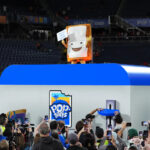
The result was a trophy that was, literally, a giant, working toaster. But this was no ordinary appliance. On game day, it performed. After the victorious Kansas State Wildcats defeated the NC State Wolfpack, the trophy’s centerpiece—a massive, frosted strawberry Pop-Tart—was “ejected” from the top of the toaster, slid down a ramp, and was ceremoniously devoured by the winning team. The internet erupted. This wasn’t just a trophy presentation; it was a visceral, shareable, and hilariously unforgettable moment.
The key innovation was understanding that in modern sports, the trophy ceremony is content. By making the trophy an interactive prop in a branded spectacle, the Pop-Tarts Bowl guaranteed itself millions of dollars worth of organic social media impressions, memes, and highlight reels. It shifted the paradigm from what the trophy *represents* to what the trophy *does*.
Deconstructing the Brilliance: Why the Toaster Trophy Works
As a sports marketing strategy, the Pop-Tarts Bowl trophy is a flawless execution. Let’s break down why this concept resonates so powerfully far beyond the gridiron.
- Ultimate Brand Synergy: The trophy isn’t just stamped with a logo; it is the product. It seamlessly blends the brand’s identity (a breakfast pastry) with the celebratory ritual of sports. The act of “toasting” victory is both literal and metaphorical.
- Emotional Engagement & Humor: College football is built on tradition, but it’s also fueled by fun. The trophy taps into a childlike wonder and humor that stiff, traditional trophies lack. Watching elite athletes gleefully munch on a giant pastry is disarming and deeply humanizing.
- The “Must-See” Moment: It creates anticipation. Fans don’t just tune in for the game’s end; they stay to witness the trophy ceremony. This boosts viewership and creates a unique, ownable signature event that distinguishes the bowl from all others.
- Player-Centric Design: For the athletes, it’s a tangible, fun reward. Unlike a heavy cup that goes into a case, this is an experience they participate in, creating a unique memory that connects them directly to the bowl’s quirky spirit.
Expert analysis suggests this move is part of a larger trend where “lower-tier” bowl games use creativity and viral potential to compete with the prestige of the New Year’s Six. By owning the space of pure, unadulterated fun, the Pop-Tarts Bowl has arguably achieved a cultural footprint larger than many more historically significant games.
The Recipe for Future Success: Predictions and Evolution
Given the monumental success of the edible trophy, the question becomes: where does the Pop-Tarts Bowl go from here? The bar for spectacle has been set astronomically high. Here are some predictions for the future of this delicious competition.
First, expect technological and theatrical enhancements. The toaster could become more elaborate—think smoke effects, custom lighting, or even different “pastry ejection” modes. The presentation could evolve into a longer, hosted segment with player interviews conducted mid-bite.
Second, we may see flavor-based storytelling. The choice of Pop-Tart flavor could be tied to the winning team’s colors or mascot. A victory by the LSU Tigers might prompt a wild berry (purple) release, while a win by the Florida State Seminoles could see a limited-edition garnet and gold frosted pastry. This adds a new layer of fan engagement and collectibility.
Most importantly, the bowl’s success will likely spawn imitators and innovators across the sports world. We may see other consumer-brand-sponsored events ditching metal for more interactive, product-centric awards. The Pop-Tarts Bowl has proven that a trophy can be a marketing funnel and a memory-making machine, a lesson the entire industry is now digesting.
A Lasting Legacy: More Than Just a Gimmick
To dismiss the Pop-Tarts Bowl trophy as a mere marketing gimmick is to miss its profound impact on sports culture. It represents a bold understanding of the modern media landscape. In an era where attention is the ultimate currency, the bowl game invested in an asset that pays dividends in clicks, shares, and smiles.
It has redefined what a trophy can be. No longer a passive symbol, it is an active participant in the celebration. It bridges the gap between corporate sponsor and genuine fan enthusiasm by embracing absurdity with a wink. The players aren’t selling out; they’re buying in, because the experience is authentically enjoyable.
The ultimate conclusion is this: the Pop-Tarts Bowl trophy, a humble kitchen appliance, has baked itself into the history books. It proved that joy and innovation can be just as compelling as tradition. It reminded us that sports, at their best, are fun. And in doing so, it didn’t just create a trophy to be won; it created a moment to be shared, a story to be told, and a very, very big snack to be eaten. The toaster is now lit, and the college football world is watching, hungry for what comes out next.
Source: Based on news from ESPN.
Image: CC licensed via www.hippopx.com