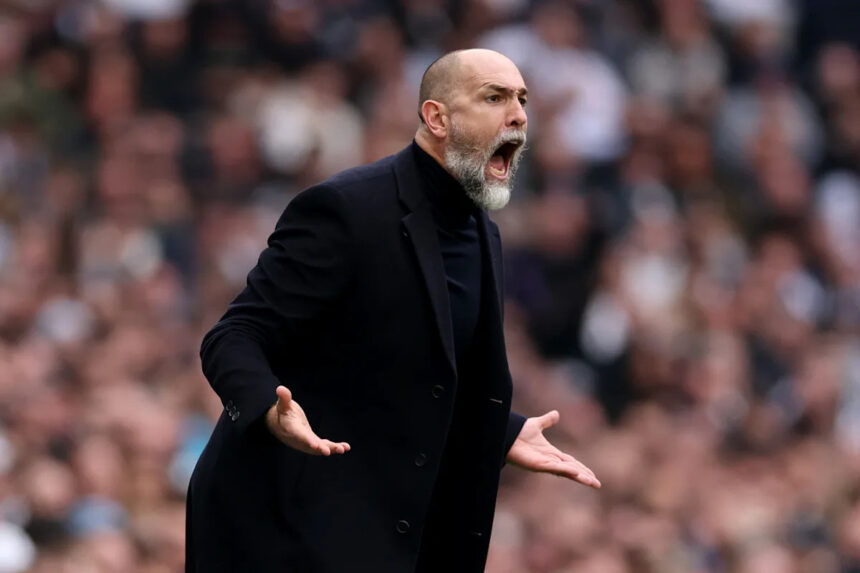
Tottenham’s Tudor Era Ends Abruptly After Just One Month in Charge
In a stunning move that has sent shockwaves through the Premier League, Tottenham Hotspur have confirmed the immediate departure of head coach Igor Tudor, ending his tumultuous tenure after a mere 31 days. The Croatian’s exit, confirmed by an official club statement, marks one of the shortest managerial reigns in the club’s modern history and plunges Spurs into yet another period of profound instability. The decision arrives under a cloud of personal tragedy, coming just one week after Tudor lost his father, adding a somber, complex layer to an already chaotic footballing narrative at the Tottenham Hotspur Stadium.
A Reign Defined by Turbulence and Tepid Results
Igor Tudor’s appointment was initially seen as a bold, disciplinarian move by the Spurs hierarchy, a deliberate shift from the more fluid styles of recent predecessors. The former Hellas Verona and Olympique de Marseille boss was tasked with instilling defensive rigor and a hardened mentality into a squad often criticized for its fragility. However, the project unraveled with alarming speed. The statistics from his brief spell are damning: seven matches in all competitions yielded a single victory, one draw, and a crushing five defeats. The team’s performances were characterized by disjointed play, a lack of clear identity, and a concerning vulnerability at the back—the very issues he was hired to solve.
The human element of this story is inescapable. The personal tragedy of his father’s passing last week undoubtedly cast a pall over Tudor’s nascent time in North London. While the club offered its condolences and support, the ruthless machinery of top-flight football rarely pauses for reflection. The confluence of poor results and immense personal grief created an untenable situation, leading to what appears a mutually agreed, if accelerated, parting of ways.
Expert Analysis: Why the Tudor Experiment Failed So Spectacularly
From a tactical and cultural standpoint, several critical factors doomed Tudor’s project from the outset. Analysts point to a perfect storm of misalignment that made success almost impossible.
- Cultural and Tactical Whiplash: Tudor’s intense, high-pressing 3-4-2-1 system demanded extreme physical and tactical discipline. Imposing such a radical philosophy mid-season, without a pre-season to drill concepts, on a squad assembled for different styles, was a monumental ask. Players appeared confused and uncomfortable, leading to the disjointed performances that became a hallmark of his month in charge.
- The Shadow of Personal Grief: While professional athletes and coaches are accustomed to compartmentalizing, the loss of a parent is a seismic life event. It’s plausible that Tudor’s capacity to fully immerse himself in the draining day-to-day demands of a Premier League crisis job was severely compromised during this period, affecting his communication and decision-making.
- A Squad Lacking the Required Profile: Tottenham’s roster, particularly in defense and midfield, is not naturally suited to the relentless demands of a Tudor system. The failed experiment highlights a deeper structural issue within the club’s recruitment, where manager appointments and player signings often appear disconnected.
- The Weight of Instant Expectation: In the hyper-reactive world of modern football, a one-month grace period is a luxury. With the club already outside the European places, each negative result amplified the pressure exponentially, creating a vortex from which escape became impossible.
What’s Next for Tottenham Hotspur? The Search for Stability
Daniel Levy and the Tottenham board now face their most critical decision in years. The club is not just hiring a new manager; it is seeking a figure who can halt a spiraling cycle of instability and define a coherent long-term project. The immediate appointment of a caretaker, likely from within the existing staff, is expected.
Looking ahead, the speculation around next permanent manager will be fierce. The club must decide whether to pursue another stylistic overhaul or seek a coach who can build pragmatically on the existing squad’s strengths. Names like Graham Potter, who offers a more progressive but structured approach, or Ange Postecoglou, known for implementing a clear attacking identity, will likely be discussed. Alternatively, they may opt for an experienced firefighter like Mauricio Pochettino, whose emotional connection with the fanbase could provide immediate oxygen.
Key priorities for the new appointee will be:
1. Immediate Squad Morale Management: Lifting a demoralized group.
2. Simplifying the Tactical Message: Establishing a clear, executable game plan.
3. Decisive Man-Management: Handling the futures of key, potentially disillusioned stars.
4. Reconnecting with a Disgruntled Fanbase: The supporters’ trust is at a low ebb.
A Cautionary Tale and a Crossroads for Spurs
The Igor Tudor chapter at Tottenham Hotspur will be remembered as a cautionary tale of poor timing, misaligned vision, and the unforgiving nature of elite sport. It underscores the perils of a reactive, short-term hiring strategy in an era where successful clubs build projects with patience and clarity. The human aspect—a man navigating profound loss while under the sport’s brightest, most critical spotlight—adds a layer of tragedy that transcends points and league tables.
For Tottenham, this is more than just another manager sacking. It represents a crossroads moment for the club’s direction. The decision to appoint Tudor, and the speed of its dissolution, suggests a leadership group operating without a coherent footballing philosophy. The next appointment cannot simply be about the next six months; it must be the cornerstone of a multi-year plan to restore credibility, identity, and a winning culture to a club that seems to have lost its way. The Tudor era is over, almost before it began. The repercussions of its failure will define Tottenham’s future for years to come.
Source: Based on news from Yahoo Sports.