


The £123 Childhood: Has the Price of Fandom Priced Out a Generation?
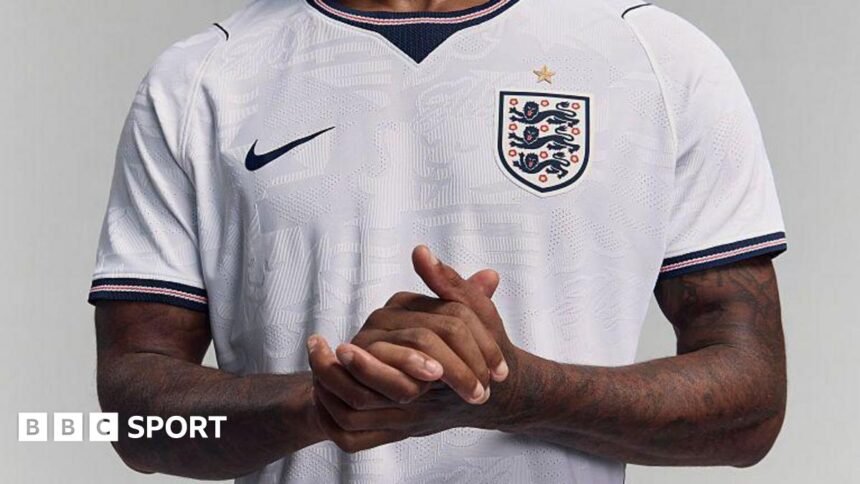
You remember your first World Cup. The crackle of anticipation in the air, the smell of freshly printed Panini stickers, the sheer, unadulterated magic of falling in love with a player you’d never meet. You spent that summer in a kit—threadbare, polyester, glorious. It was your second skin. You were Lineker, or Maradona, or maybe a hipster-before-your-time in a vibrant Mexico shirt. On the school playground, you weren’t a kid from Sheffield or Surrey; you were *them*. That kit was your passport. Now, as a parent, you see that same starry-eyed wonder in your own children. You want to gift them that same indelible experience. Then you see the price tag: £123 for a child’s official England shirt. A cold, hard number that threatens to sever the beautiful game from the very fans it will need tomorrow.
The Sticker Shock: From Pocket Money to Mortgage Payment
This isn’t simple inflation. This is a fundamental recalibration of what it means to be a young fan. Cast your mind back. A replica shirt in the 90s might have set your parents back £30-£40—a significant, but perhaps birthday-worthy, sum. Adjusted for inflation, that’s around £60-£70 today. Yet here we are, staring at figures that brush against £130 for the full “stadium” kit for a child. The brands argue this is about advanced performance technology, sustainability, and design intricacy. But let’s be frank: is a nine-year-old needing “Nike Dri-FIT ADV technology” for a kickabout in the park? Or are they needing an identity, a connection, a piece of the dream?
The pricing strategy is layered, a masterclass in commercial segmentation:
- The “Stadium” Kit: The “authentic” experience, often over £100, mirroring the player-issue fabric and cut.
- The “Match” Kit: The slightly more affordable replica, still commanding a premium price.
- The “Pro” or Training Wear: A secondary market of expensive branded apparel.
This creates a tiered fandom. The message is insidious: the “true” fan wears the expensive one. For a parent, it’s a brutal choice between nurturing a passion and fiscal sanity.
The Cost of Connection: What Are We Really Selling?
We are not selling polyester. We are selling belonging. We are selling a child’s chance to step into a narrative larger than themselves. The danger of the £123 price point is that it commodifies this connection, placing it behind a paywall that many families simply cannot scale. When a child’s kit costs more than a family’s weekly food shop, something is profoundly broken.
This has a tangible impact on the culture of the game at grassroots level. Walk past any junior football pitch on a Saturday morning. There was a time you’d see a riotous, beautiful mix of club and international shirts—a tapestry of youthful aspiration. Increasingly, you see a sea of unbranded training tops or older, hand-me-down kits. The shared visual language of fandom is fading, replaced by the stark economics of household budgets. The brands, in their pursuit of quarterly growth targets and shareholder value, are inadvertently eroding the communal fabric that makes international football so uniquely powerful.
The Nostalgia Trap: A Different World
Our nostalgia is real, but the commercial landscape we grew up in no longer exists. Football kits were once primarily fan merchandise. Today, they are the glittering apex of a global sportswear fashion empire. They are worn on catwalks, by musicians, as streetwear. The kit launch is a major fashion event. This expansion of the market is brilliant business, but it has shifted the primary target audience. The kit is no longer just for the fan going to the match; it’s for the style-conscious adult collector. The child’s version becomes a casualty of this upscaling, its price pulled upwards by the branding gravity of the adult “lifestyle” market.
The Future of Fandom: Predictions for a Priced-Out Generation
If this trajectory continues unchecked, we risk a fundamental shift in how the next generation engages with the national team. Here’s what we can predict:
- The Rise of the “Good Enough” Replica: The market for high-quality, unofficial kits will boom. Parents, armed with a moral justification and a tight budget, will turn to alternatives that offer the visual identity at a fraction of the cost.
- Event-Based Fandom: Support becomes something watched, not something worn. Connection is mediated solely through screens, diminishing the tangible, day-to-day pride of wearing the colours.
- A Class Divide in the Stands: The iconic sight of a sea of identical shirts at Wembley could become a visual indicator of economic privilege, not unified passion.
- Brand Backlash: A significant consumer rebellion is brewing. The narrative is already turning, with media scrutiny and social media outrage growing with each price reveal. The brands’ reputations for exploiting loyalty are at stake.
The most likely outcome? A slight correction. Brands, fearing permanent damage to their most valuable asset—emotional loyalty—may introduce more aggressive junior pricing or permanent “kids’ ranges” detached from the pro-price inflation. But don’t expect a return to the past. The £30 kit is gone forever.
Reclaiming the Magic: It’s More Than a Shirt
So, what’s a football-loving parent to do? The answer lies in remembering what truly made that first World Cup magical. It wasn’t the label in the neck. It was the shared experience.
Prioritise the memory over the merchandise. The cost of a full kit could buy:
- A match ticket for a local lower-league club.
- Several months of subscription to a football magazine.
- A ball, some cones, and hours of practice in the garden *with you*.
- The complete set of Panini stickers (though that’s another budget buster these days!).
Be the curator of the culture. Show them classic matches, tell them stories of your heroes, teach them the chants. The shirt is a symbol, but the fandom is built on stories, goals, and shared heartache and joy. If you do buy the kit, make it a milestone. If you can’t, know that you are in a vast, sensible majority. Your child’s love for the game is not measured in thread count.
The £123 price tag is a question we must all answer: have we lost sight of what this is all for? Football, especially international football, is the people’s game. It is meant to be a tapestry woven from every community, every background. By putting its most powerful symbol out of reach for so many, the game is, slowly, stitching its own vibrant colours into a more monochrome, exclusive pattern. The final whistle hasn’t blown on this issue yet, but the board is going up. It’s time for a rethink, before we price out the very future we’re all cheering for.
Source: Based on news from BBC Sport.
