Senegal’s Defiant Walk-Off: The Chaotic Finale That Almost Stole an Afcon Crown
The Africa Cup of Nations final is the stage where legends are forged in sweat and glory. Yet, in the 2021 final in Rabat, history was nearly rewritten in a storm of protest, a referee’s pointed finger, and an astonishing act of collective defiance. As the clock ticked past the 98th minute with the score locked at 0-0, Senegal, the eventual champions, made a decision that shook the football world: they refused to play. This is the untold story of the chaotic moments that threatened to overshadow a tournament triumph, a tale of high-stakes pressure, a controversial VAR call, and a panenka that would decide everything.
A Final on a Knife’s Edge Erupts into Chaos
The highly anticipated final between Senegal and hosts Morocco was a tense, tactical stalemate. Chances were scarce, with both sides paralyzed by the magnitude of the occasion. The drama, however, was saved for a devastating, controversy-laden stoppage time sequence. First, Senegal thought they had won it. A scrappy goalmouth scramble ended with the ball in the Moroccan net, sending the Senegalese players into rapturous celebration. Their joy was short-lived. Referee Jean Jacques Ndala was summoned to the VAR monitor for a potential handball in the buildup. After a lengthy review, the goal was chalked off, a decision that incensed the Senegalese bench.
The emotional whiplash was immediate and profound. Moments later, Morocco launched a desperate attack. Real Madrid’s Brahim Diaz drove into the box and tangled with Senegalese defender Abdoulaye Seck. Ndala initially waved play on, but again, the VAR intervention came. For the second time, the referee trotted to the sideline monitor. This time, he pointed to the spot. For Senegal, it was the final straw. The sense of injustice was palpable.
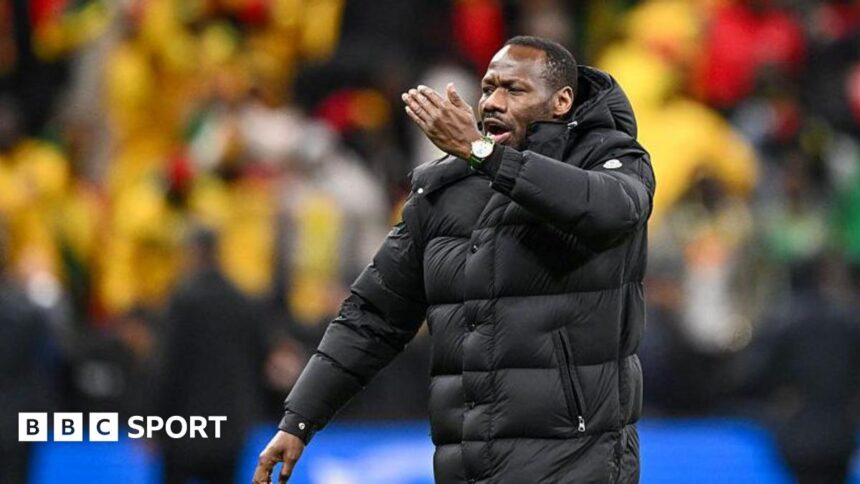
What happened next was unprecedented in a major final. Head coach Pape Thiaw, visibly furious, gestured emphatically to his players, ushering them toward the touchline. Led by their captain and emotional core, the entire Senegalese squad began to walk off the pitch in protest. The image was staggering: an Afcon final, abandoned by one team with the trophy on the line. The Moroccan players stood confused, officials pleaded, and the stadium descended into a state of bewildered uproar.
Anatomy of a Controversy: VAR, Pressure, and Protest
This moment was not a spontaneous tantrum; it was the explosive culmination of mounting frustration with officiating that Senegal felt had turned against them at the most critical juncture. The walk-off was a calculated, if extreme, statement.
Expert analysis of the two key decisions reveals why the Senegalese reaction, while extreme, stemmed from a perceived injustice:
- The Disallowed Goal: The VAR review for a potential handball was, by the letter of the law, justifiable. However, the subjective nature of “deliberate” handball, especially in a crowded penalty area, meant the overturn felt harsh to Senegal. To have a potential tournament-winning goal revoked is a monumental psychological blow.
- The Awarded Penalty: The contact between Seck and Diaz was minimal. In real-time, it appeared incidental. Ndala’s decision to overturn his own non-call after VAR review placed the controversial penalty at the epicenter of the storm. For Thiaw and his team, it confirmed a narrative of bias at the worst possible moment.
Pape Thiaw’s leadership in this crisis was pivotal. His decision to call his players off was a high-risk gambit to assert control and highlight what he saw as a broken process. It was a protest against the perceived inconsistency of the VAR reviews—one taking away their joy, the other gifting their opponents a golden chance. In that heated moment, the principle outweighed the potential consequence of forfeiture.
The Ironic Salvation: A Saved Panenka and Redemption
After several tense minutes of negotiation and chaos, sense—or perhaps the fear of an irrevocable scandal—prevailed. Senegal was persuaded to return to the field of play. The game, and their destiny, would be decided from twelve yards. Brahim Diaz, the player who had won the penalty, placed the ball on the spot. In a twist of fate so poetic it defies belief, Diaz opted for audacity over power: a panenka penalty.
It was a decision that will haunt him. The delicate chip down the center was read perfectly by Senegalese goalkeeper, who held his ground and calmly caught the ball. The save was not just a stop; it was an absolution. The injustice that had fueled Senegal’s walk-off was now countered by a monumental act of sporting justice on the pitch. The emotional pendulum had swung violently once more. Senegal, moments ago the protesters, were now the galvanized heroes. They survived the remaining seconds and, mentally fortified by this great escape, dominated the ensuing penalty shootout to claim their first-ever Afcon title.
Legacy and Predictions: The Aftermath of a Final Like No Other
The 2021 Afcon final left a complex legacy. It is remembered for Senegal’s long-awaited triumph, but equally for the unprecedented walk-off that preceded it. The incident sparked fierce debate across the football world.
- For CAF: It was a stark warning about the implementation of VAR in high-pressure environments. The consistency and communication of decisions were called into question, leading to internal reviews.
- For Teams: It set a controversial precedent. While player protests are common, an organized walk-off in a final is the nuclear option. It raises questions about the limits of protest in the modern game.
- For Senegal: The event forged an unbreakable bond. They felt they won not just against Morocco, but against adversity itself. It became a foundational myth of their championship mentality.
Looking ahead, this final will have lasting implications. Predictions for future tournaments suggest we may see:
- Increased pressure on CAF to invest in higher-tier VAR officials and clearer protocol.
- A new threshold for team protests, though a full walk-off remains a rare last resort.
- Senegal’s experience serving as a case study in managing extreme in-game adversity, making them psychologically formidable for years to come.
Conclusion: More Than a Trophy, A Statement
Senegal’s 2021 Africa Cup of Nations victory was secured with skill in a shootout, but it was defined by defiance in the 98th minute. Their walk-off was a moment of raw, unfiltered protest against a system they believed had failed them. It was a risk that could have cost them everything, yet it ultimately crystallized their unity and resolve. The saved panenka that followed provided a cinematic redemption arc, allowing the narrative to return to football. This final was more than a game; it was a drama about justice, pressure, and the extreme lengths to which teams will go when they feel their rightful prize is being stolen. Senegal did not just win a trophy that night; they survived a trial by fire, and their first star will forever be linked to the moment they chose, however briefly, not to play the game at all.
Source: Based on news from BBC Sport.