Senegal’s Walk-Off Protest Casts Shadow Over Afcon Final Drama
The Africa Cup of Nations final in Rabat was supposed to be a coronation, a celebration of continental football’s finest. Instead, it descended into unprecedented controversy as Senegal, in a moment of raw protest, staged a temporary walk-off, refusing to continue playing after a contentious late penalty was awarded to hosts Morocco. The stunning scene, more akin to a political standoff than a sporting climax, has ignited a firestorm of debate and left an indelible mark on the tournament’s legacy.
A Powder Keg of Controversy: The Incidents That Sparked Chaos
The match was a tense, goalless stalemate, with both sides wary of a fatal mistake. As the clock ticked into the 98th minute, the game exploded—not with a goal, but with controversy. The fuse was lit moments earlier when Senegal thought they had won it. A chaotic scramble in the Moroccan box saw Ismaila Sarr poke the ball over the line, sending the Senegalese contingent into raptures. Their joy was brutally short-lived. Referee Jean Jacques Ndala, after a VAR check, ruled the goal out for a foul by defender Abdoulaye Seck on Achraf Hakimi in the build-up. The decision was debatable; Seck’s challenge appeared robust but not clearly illegal.
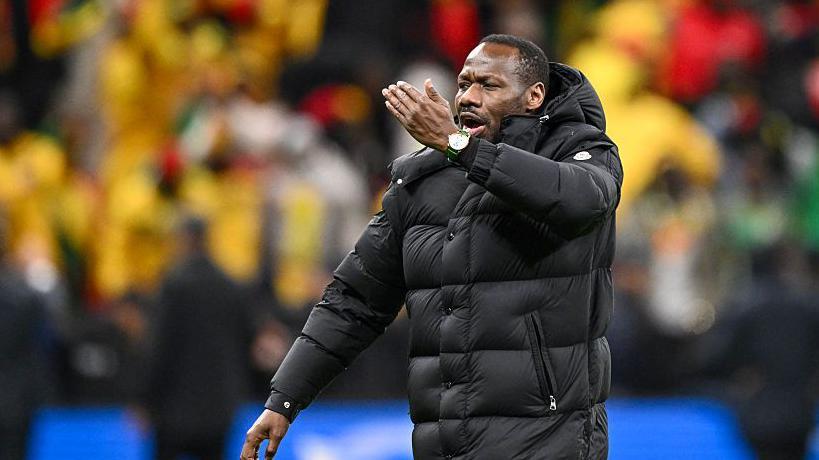
Senegal’s fury had not subsided when, seconds later, Moroccan forward Brahim Diaz went down under a challenge from El Hadji Malick Diouf. Ndala initially waved play on, but was summoned to the VAR monitor. After a lengthy review, he pointed to the spot. For the Senegalese, this was the final, unforgivable injustice. In a scene of pure sporting rebellion, head coach Pape Thiaw ushered his players toward the touchline. For several tense minutes, the world watched as the Lions of Teranga stood on the brink of forfeiting the continent’s biggest prize.
- VAR Intervention: The central role of VAR in both critical decisions became the tournament’s defining narrative twist.
- Emotional Whiplash: Senegal experienced the extreme high of a potential winning goal to the low of its cancellation, immediately followed by a penalty against them.
- Coach’s Defiance: Pape Thiaw’s active role in leading the protest highlighted the depth of feeling on the Senegalese bench.
Analysis: A Protest Born of Perceived Injustice
Senegal’s walk-off was not a spontaneous tantrum, but a calculated act of protest against what they perceived as a systemic injustice. From their perspective, the sequence of events painted a damning picture: a soft foul denying them a legitimate goal, followed immediately by a soft penalty awarded against them. The psychological impact was colossal. In that moment, playing on felt like complicity in an unfair system.
Expert analysts are divided. Some argue the walk-off, while understandable, sets a dangerous precedent. A football match, especially a final, must be decided on the pitch. Others contend that in the face of what they saw as a catastrophic refereeing failure, the players had a right to make their voice heard in the only way left to them. The action shifted the focus from the players to the officials, undermining the spectacle. Crucially, it also placed immense pressure on Brahim Diaz, who had to wait to take the most important kick of his life against a team that had just refused to participate.
The pressure told. Diaz’s attempted panenka penalty was a moment of audacity that backfired spectacularly, chipped weakly into the waiting arms of the goalkeeper. The irony was thick; justice in the eyes of Senegal was served not by the referee, but by the football gods. The match would eventually be decided on penalties, with Morocco triumphing, but the narrative was already cemented: this final would be remembered for the walk-off, not the winner.
Fallout and Future: What This Means for African Football
The immediate aftermath sees CAF facing a significant disciplinary and public relations challenge. While Senegal returned to the field and completed the match, their actions will likely result in heavy fines and possible sanctions for Coach Thiaw. However, punishing Senegal too severely risks painting them as martyrs and ignoring the root cause: the volatile and often inconsistent application of VAR in high-pressure matches.
This incident will force a necessary and urgent conversation. The core issues are:
- Referee Consistency: The subjective “clear and obvious error” threshold for VAR intervention remains a persistent problem globally, magnified in high-stakes finals.
- Game Management: Did the referee lose control of the narrative of the match through his communication and decision-making sequence?
- The Spirit of Protest: Where is the line between acceptable dissent and actions that damage the sport’s integrity?
Predictions for the future are twofold. Firstly, we can expect CAF to quietly reinforce protocols to prevent any future walk-offs, potentially involving immediate forfeiture. Secondly, and more importantly, there will be intensified pressure on refereeing standards and VAR training specific to the African game’s unique rhythm and physicality. The drama in Rabat may become a catalyst for long-overdue reform.
Conclusion: A Stain or a Statement?
The 2025 Africa Cup of Nations final will forever have an asterisk beside it. For Morocco, the victory is bittersweet, achieved in a cloud of controversy. For Senegal, the defeat is agonizing, but their protest has become a powerful symbol of resistance against perceived injustice.
Ultimately, the walk-off transcends the result. It was a rare moment where athletes leveraged their platform in real-time, challenging authority at the greatest possible cost. Whether viewed as a stain on the beautiful game or a necessary statement, it underscores the intense passion and pride that defines African football. The tournament in Morocco showcased spectacular talent and unifying spirit, but its concluding act was a stark reminder that the quest for fairness in sport is a battle never fully won. The echoes of Senegal’s defiant walk will resonate long after the medals have been handed out.
Source: Based on news from Yahoo Sports.