How Indiana Became the Bully and Saved College Football by Winning It All
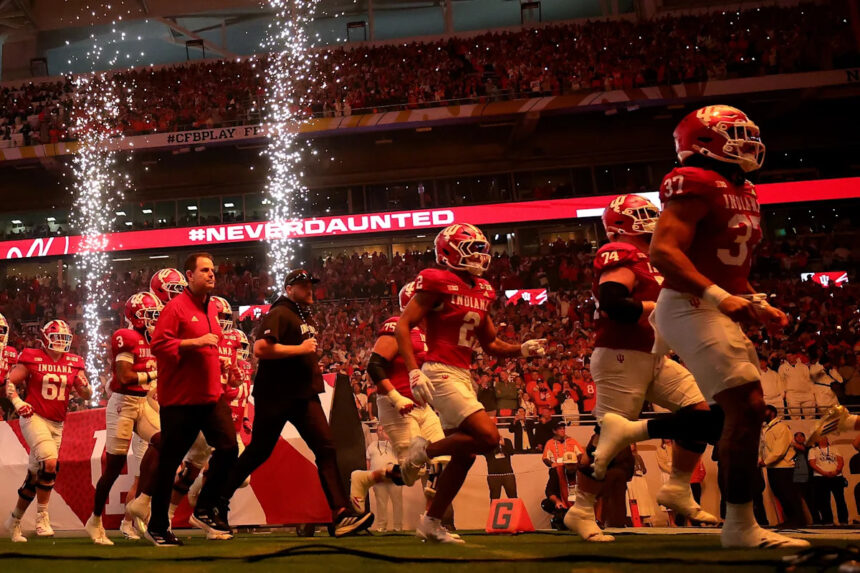
MIAMI GARDENS, FL — It almost had to happen this way. A course correction so remarkably defining, it can change an entire sport and flip it on its axis. Under the blinding South Florida lights, in a stadium built for NFL dynasties, the most improbable dynasty of all completed its ascent. The Indiana Hoosiers, college football’s eternal underdog, its lovable loser, are the undisputed national champions. And in hoisting the trophy, they didn’t just win a game; they issued a manifesto. The sport, choking on the fumes of endless realignment and pay-for-play chaos, needed a savior. It found one in the most unlikely of places: Bloomington, Indiana, which has officially become the bully on the block.
The Blueprint: How Indiana Built a Bully
For decades, Indiana football was defined by moral victories and near-misses. The narrative was set in stone: a basketball school in a football conference, a permanent fixture in the Big Ten basement. Their transformation into a national title contender wasn’t an overnight miracle; it was a deliberate, gritty rebellion against the sport’s new aristocracy.
While the super-conferences vacuumed up talent with NIL collectives, Indiana’s staff, led by a visionary yet unheralded head coach, did something radical: they built a team. They targeted the overlooked—the three-star recruits with five-star hearts, the FCS transfers with something to prove, the players who viewed a scholarship as a covenant, not a transaction. They installed a punishing, old-school run game and a defense that communicated with fists, not tweets. The identity was clear: physical toughness and unbreakable unity. As star running back Roman Hemby quipped in the confetti-strewn locker room, “Not bad for a bunch of nobodies.” That statement is the cornerstone of their revolution.
The Cultural Reset College Football Desperately Needed
Indiana’s championship run is more than a feel-good story; it’s a cultural reset. In an era where the sport’s soul has been bartered in backroom TV deal negotiations, the Hoosiers provided a jarring reminder of what its core appeal always was: team over individual, execution over celebrity, and the profound beauty of a shared goal achieved through collective sacrifice.
Their victory proves a vital, almost subversive thesis:
- Sustainable Success is Possible Without a Blue-Chip Roster: You don’t need a roster of five-stars; you need a system, development, and a culture where every player knows his role and executes it with violent precision.
- NIL is a Tool, Not a Destiny: While beneficial, Indiana’s model showed NIL can support and retain developed talent, rather than merely auction it off to the highest bidder annually.
- The Portal Goes Both Ways: They mastered the transfer portal not by chasing headlines, but by identifying perfect schematic and cultural fits—players hungry to be part of something built, not bought.
In short, Indiana didn’t play the new game. They changed it. They became the bully not by outspending everyone, but by out-hitting, out-working, and out-believing them. They saved college football from its own cynicism, proving the college football playoff is still accessible to those who dare to build differently.
The Ripple Effect: A New Power Paradigm
The impact of Indiana’s title will reverberate for years. Athletic directors at historically “second-tier” programs now have a blueprint. Recruits who don’t fit the five-star mold have a North Star. The entire Big Ten conference balance of power has been seismically shifted, with traditional powers now forced to look over their shoulders at the once-gentle giant in crimson and cream.
This isn’t a fluke. This is a paradigm shift. The Hoosiers’ physical brand of football—a stark contrast to the spread-obsessed, finesse offenses that have dominated—has sparked a philosophical renaissance. Coaches nationwide are now re-evaluating the merits of line-of-scrimmage dominance. Indiana didn’t just win games; they validated an entire school of thought that many had declared extinct.
Looking Ahead: The Way-Too-Early 2026 Top 25 Forecast
With the Hoosiers entrenched as the new standard-bearer, the landscape is forever altered. Here’s an early glimpse at what the 2026 season could hold:
- 1. Indiana Hoosiers: The bully returns nearly its entire offensive line and defensive front seven. The target is squarely on their back, but this team is built to wear it.
- 2. Georgia Bulldogs: Reloaded and hungry to reclaim SEC and national dominance with a brutal, physical response to the Hoosiers’ challenge.
- 3. Ohio State Buckeyes: Talent remains elite, but the psychological hurdle of their Big Ten rival now owning the summit is immense.
- 4. Texas Longhorns: A recruiting juggernaut looking to blend elite talent with the kind of grit Indiana displayed.
- 5. Oregon Ducks: The premier program of the new-look Big Ten, poised for epic clashes with the Hoosiers that will define the conference.
- Sleepers to Watch: Keep an eye on programs like Iowa (who share a similar gritty identity), Kansas (building under the radar), and Clemson (seeking a return to bully status).
A Victory for Every Underdog
The final whistle in Miami Gardens didn’t just signal an Indiana win. It signaled a reclamation. College football, in its mad dash toward a soulless, professionalized future, had lost its way. The Hoosiers, with a team of “nobodies” and a philosophy everyone else had forgotten, grabbed it by the collar and pointed it back toward its roots. They saved it from becoming a purely transactional entertainment product and reminded us it can still be a transformative, team-driven endeavor.
You can thank Indiana later for saving college football from itself. For now, just know this: the lovable loser is gone. In its place stands a champion, a bully built not on money but on might, and a program that didn’t just win a title—it gave a struggling sport its heart back. The axis has flipped. Long live the new kings.
Source: Based on news from Yahoo Sports.