Francis Returns for Wales as Hamer-Webb Earns Surprise Six Nations Call-Up
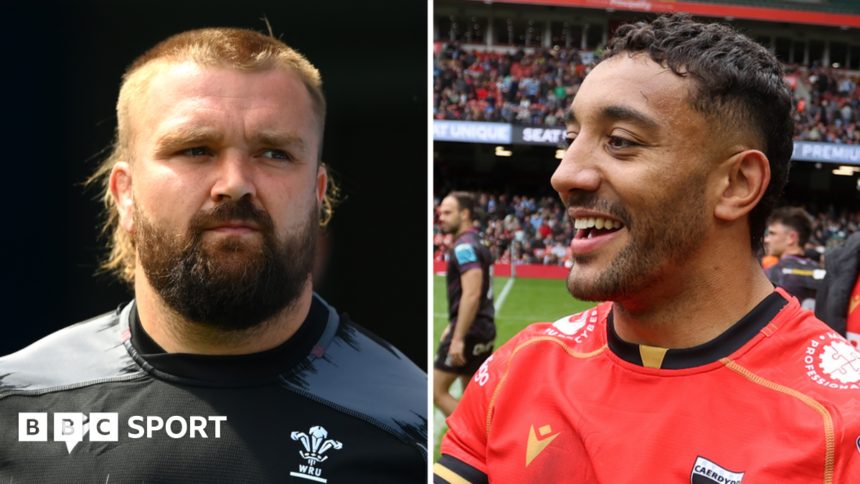
In a selection that blends seasoned experience with bold, new ambition, Wales head coach Steve Tandy has unveiled his squad for the upcoming Six Nations campaign. The headline acts are the return of 73-cap tighthead prop Tomas Francis and the eye-catching inclusion of uncapped Leicester Tigers wing Gabriel Hamer-Webb. This dual announcement signals a clear intent from the Welsh management: to solidify the set-piece foundation while injecting explosive pace out wide, as they embark on a new era under Tandy’s stewardship.
Strategic Shifts and Surprise Selections
Steve Tandy’s first squad selection since taking the helm is a fascinating document, revealing both continuity and calculated risk. The recall of Tomas Francis is a pragmatic masterstroke. At 33, the giant prop brings a wealth of experience and, crucially, a rock-solid scrummaging presence that Wales have occasionally lacked in his absence. His last outing was the heart-breaking World Cup quarter-final loss to Argentina, and his return from international exile provides immediate stability to the pack.
Conversely, the call-up of Gabriel Hamer-Webb is the bolt from the blue that excites fans and pundits alike. The 25-year-old, who left Cardiff for Leicester Tigers ahead of the 2025-26 season, has been a revelation in the English Premiership. His selection underscores Tandy’s willingness to reward form and athleticism, looking beyond the traditional pathways. Alongside Bath’s Louie Hennessey, Hamer-Webb represents the fresh blood Tandy hopes will revitalize the Welsh backline.
The squad also welcomes back several key figures from injury, including Scarlets fly-half Sam Costelow, who will vie for the pivotal number 10 jersey, and the versatile back-row dynamo James Botham. The return of experienced campaigners like centre Owen Watkin and hooker Ryan Elias adds crucial depth and know-how.
Analysing the Key Inclusions and Notable Omissions
Every selection tells a story, and the players left out are as telling as those brought in. Tandy’s decisions point to a specific tactical blueprint and a desire to build depth in certain positions.
Notable returnees strengthening the squad include:
- Josh Macleod: The Scarlets flanker’s breakdown prowess and carrying ability offer a potent alternative in the back row.
- Mason Grady: His powerful, direct running and ability to cover centre and wing make him a valuable tactical weapon.
- Ryan Elias: Provides proven set-piece reliability and leadership at hooker.
However, the absence of several established names has raised eyebrows. The omission of livewire wing Rio Dyer is particularly surprising, suggesting Tandy sees Hamer-Webb and others as offering a different, perhaps more physically imposing, profile. The unavailability of the exceptional Tommy Reffell, a master at the breakdown, is a significant blow, placing pressure on the other opensides to fill that void. Meanwhile, the exclusion of Saracens centre Nick Tompkins and fly-half Callum Sheedy indicates a clear shift in midfield and playmaking strategy, favoring the likes of Watkin, Grady, and Costelow to steer the ship.
Expert Analysis: What This Means for Wales’ Six Nations Campaign
From a tactical perspective, Tandy’s selections suggest a team built on a powerful platform with game-breaking speed on the edges. The return of Tomas Francis is not merely sentimental; it is a foundational move. A stable scrum is the non-negotiable currency of Test rugby, and Francis’s ability to anchor it allows Wales to play from a position of strength, relieving pressure on a relatively inexperienced half-back pairing and providing clean ball for the backs.
The gamble on Gabriel Hamer-Webb is equally strategic. The modern game demands wingers who are not just finishers but also potent strike runners from deep and robust defenders. Hamer-Webb’s form in the English Premiership suggests he possesses this all-court game. His inclusion is a direct challenge to the incumbents and a statement that shirt ownership must be earned weekly. If he translates his club form to the international stage, he could provide the X-factor Wales have sometimes lacked.
The blend in the squad is compelling. The hardened experience of Francis, Elias, and Watkin can nurture the exuberance of Hennessey and Hamer-Webb. The success of this campaign may hinge on how quickly these disparate elements coalesce into a unified, confident unit. The leadership within the group, particularly from those returning, will be paramount.
Predictions and Expectations for the Tournament Ahead
Wales, with this squad, present a intriguing proposition. They are unlikely to be favorites for the title, but they have the potential to be the tournament’s most disruptive force. The opening fixtures will be critical in setting the tone. A strong set-piece display, spearheaded by Francis, could unsettle any opponent and provide the platform for an upset.
Key battles to watch will be at tighthead prop, where Francis’s return is a major boost, and on the wing, where Hamer-Webb will be desperate to prove his selection justified. The midfield combination, likely featuring one of the returning players like Watkin alongside George North, will be crucial in both defence and launching the exciting outside backs.
Expect Wales to be physically confrontational, aiming to win the gainline and then unleash their pace out wide. The depth at back-row and centre, bolstered by returns, allows for varied game plans. The minimum expectation will be a competitive showing in every match, with a target of two or three victories and building a cohesive identity for the 2027 World Cup cycle. A victory over one of the tournament’s heavyweights at home would constitute a successful launch for the Tandy era.
Conclusion: A New Chapter Begins with a Blend of Old and New
Steve Tandy’s first Wales squad is a bold declaration of intent. By recalling the proven world-class grit of Tomas Francis and simultaneously embracing the untested potential of Gabriel Hamer-Webb, he has struck a balance between immediate solidity and future promise. The message is clear: respect the past, but do not be bound by it. The returning players add vital depth and competition, while the absentees remind everyone that performance is the ultimate currency.
This Six Nations is less about demanding immediate silverware and more about witnessing the birth of a new Welsh identity. It will be built, if Tandy’s selections are a guide, on an immovable scrum and lightning-fast wings. The return of the old warrior Francis and the arrival of the new speedster Hamer-Webb perfectly encapsulate this exciting duality. For Welsh rugby fans, the journey under a new coach begins with a squad that promises both grit and glory, setting the stage for a compelling and unpredictable championship.
Source: Based on news from BBC Sport.