‘There’s going to be anger’: Steve Tandy’s Stark Warning as Welsh Rugby Faces Existential Crossroads
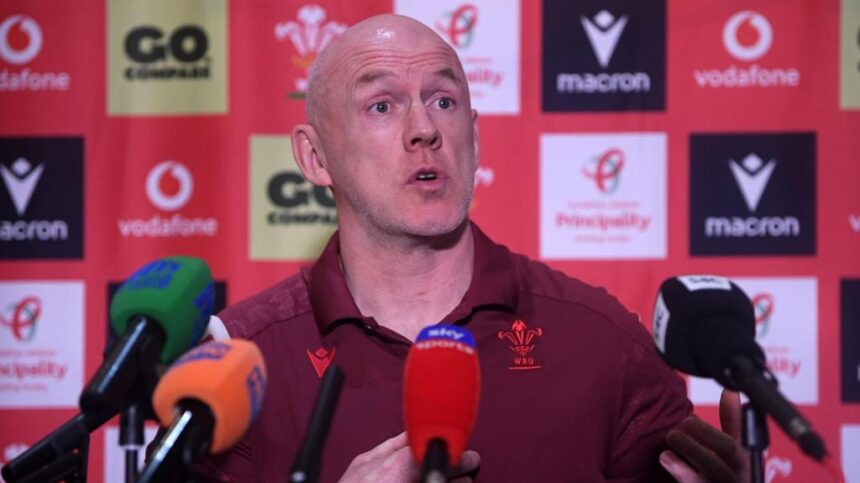
The air in the Wales team room was thick with anticipation for a Six Nations squad announcement. Yet, the questions that followed were not about the championship ahead, but about a looming crisis threatening to tear the very fabric of the Welsh game apart. Defence coach Steve Tandy, a man whose life is woven into the jersey of one threatened region, delivered a prognosis that was as somber as it was honest. “There’s going to be hurt no matter which region you support,” he stated, cutting to the emotional core of the Welsh Rugby Union’s proposals to reduce its professional men’s sides. In that moment, the strategist for a national team was forced to confront the potential dismantling of the domestic ecosystem that feeds it.
- The Heart of the Storm: Ospreys’ Precarious Future and a Merger on the Cards
- Anatomy of a Crisis: Why the WRU is Forcing Radical Change
- Tandy’s Diagnosis: The Inevitable Human Cost of Restructuring
- The Road Ahead: Predictions for Welsh Rugby’s Most Pivotal Year
- Conclusion: More Than a Business Plan, It’s a Battle for Rugby’s Soul
The Heart of the Storm: Ospreys’ Precarious Future and a Merger on the Cards
At the epicenter of this turmoil sits the Ospreys, the Swansea-based region where Steve Tandy built his legacy as a player, a head coach, and a title winner. The WRU’s strategic pivot, aimed at consolidating resources and talent, has placed a target on the region’s back. The cold logic of restructuring collides violently with decades of passion, rivalry, and community identity.
Complicating the picture further is a dramatic subplot: Ospreys’ owners Y11 Sport & Media have emerged as frontrunners to purchase rivals Cardiff Rugby. This move does not simply signal a change of ownership; it potentially lays the groundwork for an unprecedented merger. The prospect of the Ospreys and Cardiff, two titans of Welsh rugby with fiercely independent fanbases, becoming a single entity is no longer speculative fiction—it is a tangible, and for many, a terrifying possibility.
Tandy’s refusal to be drawn on the specifics of his former side’s fate was a masterclass in diplomatic restraint. “I’m not going to speculate on anything,” he said, acknowledging his clear conflict of interest. This silence, however, spoke volumes. It underscored that the decisions being made in boardrooms are so seismic that even a senior Wales coach must tread carefully, his personal allegiances temporarily set aside for the greater good of the national conversation.
Anatomy of a Crisis: Why the WRU is Forcing Radical Change
To understand the proposals, one must look at the systemic pressures crushing Welsh regional rugby. Financial instability has been a chronic condition, exacerbated by the pandemic and a fraught relationship between the WRU and its professional entities. The current model, with four regions, is widely seen as unsustainable, diluting playing talent and commercial revenue across too many teams.
The WRU’s proposed solution is a brutal form of triage. The arguments for reduction are built on a foundation of cold, hard logic:
- Financial Concentration: Pooling central funding and commercial opportunities into fewer teams to create more financially robust entities.
- Player Talent Consolidation: Creating stronger, more competitive squads to improve performance in the United Rugby Championship and Europe.
- Pathway Clarity: Streamlining the development funnel from academy to professional rugby, ensuring the best young Welsh talent is nurtured in high-performance environments.
Yet, as Tandy alluded to, this clinical reasoning ignores the emotional collateral damage. The hurt he predicts is not just a fleeting disappointment; it is a profound sense of loss for communities whose identity is intrinsically linked to their regional side. The potential merger of Cardiff and the Ospreys isn’t a business merger—it’s a forced marriage of two distinct rugby cultures, histories, and fan identities.
Tandy’s Diagnosis: The Inevitable Human Cost of Restructuring
Steve Tandy’s value in this debate is his unique perspective. He is not a union administrator; he is a product of the system and now a key figure tasked with preparing the national team that system must supply. His analysis moves beyond spreadsheets to the human and sporting cost.
“There’s going to be anger,” he stated plainly. This anger will be multi-directional: from fans whose team may vanish, from players and staff facing uncertain futures, and from communities feeling disenfranchised. Tandy’s warning highlights the danger of a short-term exodus of support. If fans feel their heartland has been sacrificed, they may walk away from the game entirely, undermining the very sustainability the WRU seeks to build.
Furthermore, the uncertainty is poison for the current playing group. As Tandy helps prepare Wales for the Six Nations, how many of his players are distracted by anxieties over their regional futures? The psychological impact on professional players facing potential unemployment or relocation cannot be underestimated and could have a direct, negative effect on national team performance.
The Road Ahead: Predictions for Welsh Rugby’s Most Pivotal Year
The coming months will define Welsh rugby for a generation. Based on the current trajectory and Tandy’s sobering assessment, several outcomes seem probable.
First, a merger between Cardiff and the Ospreys, under the Y11 banner, appears the most likely immediate resolution. This would create a theoretical “super region” in South Wales, but the challenge of branding, location, and unifying fanbases would be Herculean.
Second, expect a period of significant public and player backlash. Protests, declining attendances at affected regions, and vocal criticism from legends of the game will fill the headlines. The WRU’s leadership will be tested not just on commercial grounds, but on their ability to manage this anger with transparency and empathy.
Finally, the success or failure of this painful restructuring will be measured in the years to come. The key metrics will be:
- Wales’ Six Nations and World Cup competitiveness in the 2027-2031 cycle.
- The financial health and European competitiveness of the surviving regions.
- The strength of the grassroots game and whether the talent pipeline improves or withers.
Conclusion: More Than a Business Plan, It’s a Battle for Rugby’s Soul
Steve Tandy, the defensive coach, has identified the threat not coming from an opposition fly-half, but from within. His words—”there’s going to be hurt”—are the definitive summary of this painful moment. The WRU’s proposals are a gamble of existential proportions, betting that short-term, visceral pain will secure long-term survival and prosperity.
This is not merely an administrative restructuring; it is a battle for the soul of Welsh rugby. It pits hard-nosed economics against century-old tribal loyalties, centralised control against regional identity. The danger, as Tandy implicitly warns, is that in saving the professional game’s body, they may irreparably damage its heart. The path forward requires more than just a shrewd business plan; it demands a compassionate strategy that acknowledges the anger, respects the history, and proves to the disillusioned fan that the game they love is still worth supporting. The final whistle on this debate is far from blown, and its echoes will resonate through every valley and town in Wales for years to come.
Source: Based on news from BBC Sport.