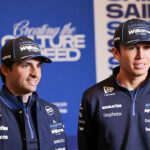
Williams Gambles on 2026 Future, Skips Crucial Barcelona F1 Test
In a move that has sent shockwaves through the Formula 1 paddock, the historic Williams F1 Team has announced it will be a no-show at next week’s critical pre-season test at the Circuit de Barcelona-Catalunya. The reason? A deliberate and high-stakes strategic pivot. The Grove-based outfit is sacrificing valuable 2025 track time to fast-track development of its revolutionary 2026 car, a decision that lays bare the immense pressure and long-term thinking now defining the sport’s midfield. This isn’t a simple delay; it’s a calculated gamble on the future, signaling that for Williams, the next era begins now.
A Strategic Withdrawal: Performance Over Protocol
The team’s official statement was concise but loaded with meaning. “Atlassian Williams F1 Team has taken the decision not to participate in next week’s shakedown test in Barcelona following delays in the FW48 programme as we continue to push for maximum car performance,” it read. The term “shakedown test” is key here. While not an official FIA-sanctioned test, the Barcelona running is a vital tradition—a chance for teams to conduct initial systems checks, give drivers seat time, and gather baseline data away from the intense spotlight of Bahrain. For Williams to forfeit this opportunity is unprecedented in recent memory.
This decision speaks volumes about the state of the current FW48. The admission of “delays” suggests the car is not where the team needs it to be for a meaningful test. Rather than potentially unveiling an uncompetitive or unreliable package and suffering a media and morale setback, Team Principal James Vowles has chosen to redirect all resources. The statement confirms this pivot: “The team will instead conduct a series of tests including a VTT programme next week with the 2026 car.” VTT, or Virtual Testing Track, refers to advanced simulator work. This means Williams’ focus next week won’t be on fixing a 2025 car in the real world, but on pioneering its 2026 contender in the digital realm.
The 2026 Allure: Why Williams is Betting the House
The 2026 Formula 1 regulatory overhaul is the most significant in a generation, representing a clean slate and the sport’s best chance to reset competitive order. The new rules promise:
- Radical New Power Units: A move to 100% sustainable fuels and a vastly increased electrical component, with MGU-K output nearly tripling.
- Lighter, Nimbler Cars: A targeted reduction in car weight and dimensions, aiming for more agile machinery.
- Active Aerodynamics: Introduction of manually adjustable wings to reduce drag on straights, a concept that will redefine setup strategy.
For a team like Williams, with its rich heritage but limited budget compared to the manufacturing giants, these rules are a golden ticket. Historical precedent shows that teams who nail a major regulation change first can enjoy years of advantage. Brawn GP’s 2009 fairy tale and Mercedes’ subsequent dominance from 2014 are prime examples. By effectively writing off the tail end of the 2025 development cycle, Williams is making a clear statement: beating rivals to the 2026 understanding is more valuable than fighting for seventh or eighth in the 2025 Constructors’ Championship. The financial and technical rewards for being a front-runner in the new era dwarf those of a midfield finish now.
Expert Analysis: High-Risk, High-Reward Calculus
From a technical leadership perspective, this move is both bold and logical. James Vowles, a former Mercedes strategist, is applying a cold, long-term logic to Williams’ recovery. “The team is in a rebuild phase,” says a veteran F1 technical consultant. “Their infrastructure, while improving, still lags. By focusing on the 2026 car now, they are giving their design and aero teams a crucial six-to-eight-month head start. That’s an eternity in F1.”
However, the risks are palpable and immediate:
- 2025 Season Compromise: The FW48 will likely start the season on the back foot. A lack of real-world testing data could lead to early reliability issues and a performance deficit, risking a lowly championship position.
- Operational Rust: The race team loses a vital practice session for pit stops, procedures, and crew coordination, which could hurt them in the early races.
- Sponsor and Fan Morale: Starting a season with an admission of delay is a tough message for partners and supporters, requiring strong narrative control from the team.
Yet, the potential reward—a car that is fundamentally better conceived for the 2026 rules—could propel Williams into a sustainable points-scoring and podium-challenging position for years to come. It is a painful short-term sacrifice for a potential generational gain.
Predictions and Implications for the F1 Grid
Williams’ absence in Barcelona will create an unusual dynamic. The test will now primarily be a battleground for the established top teams and the immediate midfield rivals like Alpine, Aston Martin, and VCARB. All eyes will be on their lap times and reliability, while Williams’ garage sits quiet—a powerful visual symbol of their future focus.
Looking ahead, we can predict several consequences:
1. A Stealthy 2025 Launch: Expect Williams to reveal the FW48 virtually or with minimal fanfare, managing expectations from the outset. The narrative will firmly be on “building a foundation for 2026.”
2. A Aggressive 2026 Driver Market Move: This strategy makes Williams a fascinating prospect for 2026. A team fully committed to a new rules cycle could be an attractive destination for a top driver seeking a project, potentially giving them leverage in the driver market.
3. Pressure on Customer Teams: As a customer of Mercedes engines, Williams’ early 2026 work will be independent of the power unit design. This could give them a unique aerodynamic perspective, potentially putting pressure on works teams if they find a crucial loophole or concept first.
4. A Possible Copycat Effect: If other midfield teams see merit in Williams’ aggressive timeline, could we see a broader shift in focus later in 2025? The Grove squad may have just fired the starting gun on the 2026 development race.
Conclusion: A Defining Moment for the Historic Team
Williams F1 Team’s decision to skip the Barcelona test is far more than a logistical footnote. It is a declaration of intent and a stark embodiment of modern Formula 1’s strategic depth. Under James Vowles’ leadership, the team is demonstrating the discipline to look beyond the immediate horizon, even when it means enduring short-term pain. They are betting that being best-in-class for 2026 is worth a potentially difficult 2025 season.
This gamble underscores the immense importance of the 2026 regulations as a great equalizer. For fans of the sport’s most storied independent team, the message is one of patience and faith. The road back to the top is long, but Williams has just signaled that they are no longer taking detours for incremental gains. They are building a new highway to the future, and its construction begins in a simulator next week, not on the tarmac in Barcelona. The 2025 season may be a quiet one for Grove, but the noise they intend to make in 2026 could be deafening.
Source: Based on news from Yahoo Sports.