Warriors’ Victory Overshadowed by Tragedy and Protest in Minneapolis
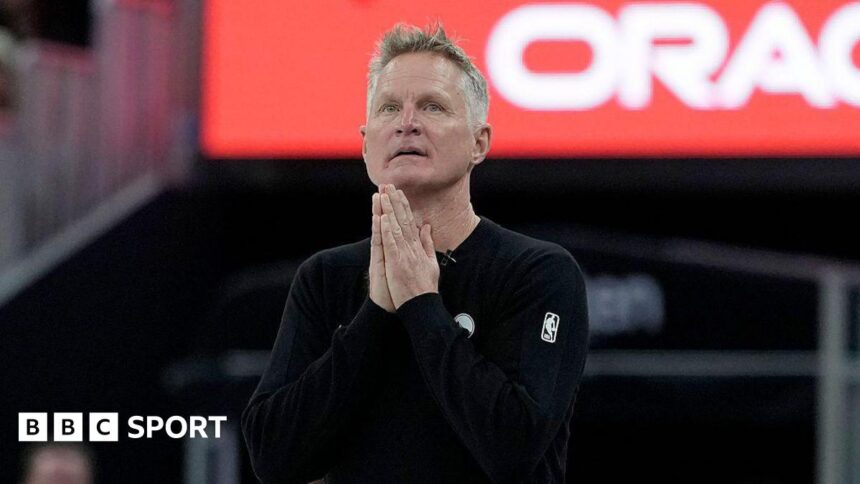
The final buzzer sounded on a Golden State Warriors victory, but the score felt like a secondary notation in the night’s ledger. In a subdued Target Center, where the usual roar of basketball was replaced by a palpable heaviness, the Warriors secured a win that head coach Steve Kerr could only describe as “bizarre, sad.” Sunday night’s game against the Minnesota Timberwolves was played under the long shadow of a community in mourning and a nation grappling with tension, following the fatal shooting of 37-year-old intensive care nurse Alex Pretti by Immigration and Customs Enforcement (ICE) agents in Minneapolis just one day prior.
A Somber Tip-Off: Basketball in a Climate of Grief
From the moment players took the court for warm-ups, it was clear this was no ordinary NBA contest. The arena, often a bastion of escapist entertainment, transformed into a reflection of the city’s anguish. Before the game, a moment of silence was held for Pretti, a gesture that acknowledged the tragedy but could not contain the rising tide of public sentiment. As play commenced, the silence gave way to organized chants. Sections of the crowd, their voices unified in anger and sorrow, repeatedly echoed anti-ICE slogans, turning the stadium into an impromptu forum for protest.
For the players and coaches, navigating this emotional terrain was a unique challenge. Steve Kerr, who has led the Warriors since 2014 and is no stranger to speaking on social and political issues, articulated the dissonance perfectly. “You’re here to do a job, to compete, but there’s a real world out there that’s far more important than basketball,” Kerr stated post-game. “The atmosphere was somber. Everyone was aware of what happened. It’s a reminder that these games exist in a context, and tonight the context was overwhelmingly tragic.” The players performed, the coaches coached, but the usual visceral thrill of competition was muted, filtered through a shared understanding of the events unfolding beyond the arena walls.
Minneapolis: A City Under Strain
The shooting of Alex Pretti marks a harrowing escalation in a tense national climate. It is the second time in less than a month an American citizen has been killed by federal agents in Minneapolis, casting a spotlight on the aggressive enforcement tactics of the ongoing ICE operation in Minnesota. Ordered by President Donald Trump’s administration, this multi-week operation has empowered agents to stop, detain, and arrest individuals suspected of being in the U.S. illegally, sowing fear in immigrant communities.
The local response has been one of profound grief and fierce protest. Pretti, a healthcare worker dedicated to saving lives, has become a symbol of the human cost of this enforcement drive. The protests in Minneapolis and across the U.S. highlight a deepening national fracture over immigration policy and the scope of federal authority. This context made the Timberwolves’ game more than a sporting event; it became a barometer of civic mood, a place where a community gathered not just to watch basketball, but to collectively process trauma and voice dissent.
- ICE Operation: A targeted, multi-week enforcement action in Minnesota focusing on immigration arrests.
- Federal Authority: The power of ICE agents to detain individuals based on suspected immigration status.
- Community Trauma: The cumulative impact of violence and fear within immigrant and city populations.
- Sport as Platform: How athletic events can inadvertently become stages for larger societal dialogues.
The Game Within the Game: Warriors Navigate Uncharted Waters
On the court, the Warriors managed to compartmentalize enough to execute a professional victory. Yet, the performance was tinged with the night’s strangeness. Passes were crisp and shots fell, but celebratory gestures were restrained. Timeouts and halftime felt less like strategic interludes and more like brief respites from an emotionally charged environment. For a team like Golden State, accustomed to the deafening cheers of championship runs and the focused hostility of road games, the experience was unprecedented.
Expert analysis of this game must extend beyond the box score. It becomes a case study in athlete psychology and professional focus amidst civil unrest. How does a player maintain competitive intensity when the energy of the building is rooted in anger and mourning rather than sport? The Warriors’ ability to secure the win speaks to their veteran poise, but post-game comments universally reflected that their minds were on more than basketball. It was a testament to their professionalism, but also an acknowledgment that some events simply transcend the game.
Predictions: The Lasting Impact on League and Community
The reverberations from this “bizarre, sad” night will extend far beyond a single win or loss in the standings. We can anticipate several potential outcomes:
Increased Player and Coach Advocacy: Incidents like this often catalyze athletes to use their platforms more forcefully. Following the leadership of figures like Steve Kerr, who has never shied from political commentary, more players may speak out on immigration justice and policing issues. The NBA’s historically socially conscious player base is likely to find renewed focus.
Scrutiny of ICE Operations: The national attention amplified by an NBA game will intensify political and legal scrutiny on the conduct and protocols of ICE operations, particularly the use of lethal force. Calls for transparency and reform will grow louder.
A New Template for Fan Protest: The effective, sustained chanting from the Timberwolves crowd demonstrates how a sports arena can be mobilized for peaceful protest. This may inspire similar actions in other cities facing civic crises, forcing leagues and teams to continually re-evaluate their role as neutral entertainment providers versus community institutions.
Long-term Shadow in Minneapolis: For the Timberwolves organization and its fans, the association between this tragedy and this game will linger. Future games may serve as milestones in the community’s healing process or flashpoints for continued activism, depending on how the situation develops.
Conclusion: When the Final Buzzer Isn’t the End
The Golden State Warriors left Minneapolis with a victory, but they, and everyone present, carried away something much weightier. The game served as a stark, real-time illustration of how sports are inextricably woven into the social fabric. They cannot be hermetically sealed from the pain, anger, or politics of the world around them. The death of Alex Pretti and the resulting protests created a “sombre atmosphere” that no amount of athletic brilliance could dispel.
In the end, this was more than a basketball game. It was a communal gathering in a time of shock, a peaceful protest amplified by thousands of voices, and a difficult workplace for athletes tasked with performing through distraction. The Warriors’ win will be a footnote in the season’s statistics, but the night itself will be remembered as a poignant moment where sport was forced to hold a mirror to society. The true outcome remains to be seen: will this tragedy and the powerful response it ignited within the walls of an arena lead to meaningful change, or will it fade into the background noise of the news cycle? The answer to that question is a game far more important, and its final score is yet to be determined.
Source: Based on news from BBC Sport.