Beyond the Baseline: The Fight for Privacy in Tennis’ Digital Goldfish Bowl
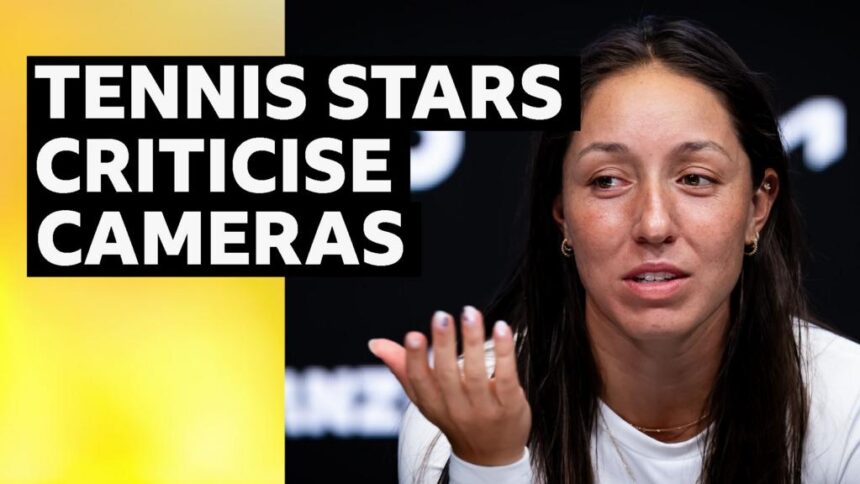
The roar of the crowd, the squeak of sneakers on blue plexicushion, the visceral thwack of a 120 mph serve—these are the sanctioned sounds of Grand Slam tennis. But for today’s stars, the most unnerving noise might be the silent, digital whir of a camera lens tracking their every move in spaces once considered private. Following Coco Gauff’s vocal concerns, top players Jessica Pegula and world number one Iga Swiatek have launched a powerful, unified critique of the intrusive filming practices at the Australian Open and beyond, framing it as a fundamental issue of respect and mental well-being. Their poignant question—”Are we animals in the zoo?”—strikes at the heart of modern sports entertainment, forcing a reckoning between unprecedented access and basic human privacy.
The Unblinking Eye: From Locker Rooms to Player Tunnels
For fans, the all-access pass provided by broadcasters is a dream: raw, unfiltered moments of agony and ecstasy. We see the emotional breakdown after a missed match point, the intense, whispered coaching conversations, and the solitary walk through the concrete bowels of a stadium. This content is undeniably compelling. However, the players are now drawing a clear line between what constitutes the “competition” and what constitutes their “sanctuary.”
Jessica Pegula, a member of the WTA Player Council, provided crucial context, explaining that the issue isn’t just about on-court action. Cameras are positioned in areas players consider personal—the tunnel leading to the court, the quiet corners backstage. “It’s just a little bit weird,” Pegula stated, emphasizing the discomfort of being filmed during vulnerable, pre-match routines or in the immediate emotional aftermath of a loss. This sentiment was powerfully echoed by Iga Swiatek, who framed it as a basic question of dignity. “For sure we should have more privacy,” Swiatek asserted, comparing the sensation to being caged exhibits. Their complaints move beyond simple annoyance; they highlight a critical mental health consideration. The court is a pressure cooker; the moments before and after are essential for psychological preparation and decompression.
The Broadcast Dilemma: Entertainment vs. Exploitation
Tournament organizers and broadcasters face immense pressure to deliver ever-more immersive content to justify broadcasting rights fees and engage a generation accustomed to reality TV and social media intimacy. The argument from production teams is that these “behind-the-scenes” glimpses build athlete narratives and deepen fan connection. However, the players’ revolt signals a breaking point. The pursuit of entertainment is clashing with ethical boundaries.
This isn’t merely a tennis problem. It’s a sports-wide issue in the digital age. Yet, tennis players are uniquely exposed. Consider the key differences:
- Individual Sport Pressure: Unlike team sports where blame and focus can be shared, a tennis player is alone in their spotlight, magnifying the intensity of every captured moment.
- No Designated “Sideline”: There’s no bench to retreat to, no dugout. The walk from the locker room to the court is part of their competitive journey, now turned into a broadcast segment.
- The Nature of the Game The sport’s prolonged, point-by-point tension creates extreme emotional peaks and valleys, making private recovery time essential.
The current model risks crossing from athlete storytelling into unwanted surveillance. As Pegula hinted, the feeling of being constantly watched can subconsciously alter behavior, forcing players to manage their emotions for the camera rather than for their own performance needs.
The Path Forward: Negotiating a New Boundary
The unified voice of top players like Gauff, Pegula, and Swiatek is a game-changer. It transforms isolated grumbles into a collective bargaining position. The solution will likely be a negotiated compromise, but the players hold significant leverage. Here are the most probable outcomes and necessary changes:
- Formalized “Off-Limits” Zones: Expect clear, contractual agreements defining physical spaces where filming is prohibited, such as specific parts of the player tunnel, gym areas, and dedicated quiet rooms.
- The “Cool-Down” Clause: A mandated period post-match—perhaps 15-30 minutes—where players can exit the court and reach a private area without being filmed, allowing for initial emotional processing.
- Consent-Based Filming For non-match action, a move towards a model where producers must seek explicit player or team permission to use footage from sensitive areas, shifting from a default “yes” to a default “opt-in.”
- Technology as a Solution Broadcasters could use more fixed, wide-angle shots of walkways without tight, invasive close-ups, preserving atmosphere without intruding on personal moments.
This push for privacy is also a savvy career longevity strategy. Protecting mental space is as crucial as protecting physical health. By advocating for these boundaries, players are investing in their ability to compete at the highest level for longer, without the added burnout of perpetual performance.
Prediction: A Catalyst for Broader Change in Sports Media
The protest led by tennis’s leading women will not remain confined to Melbourne Park. This is a watershed moment for athlete-broadcaster relations across sports. We predict:
1. The WTA and ATP will codify new privacy standards. Player associations will make this a priority in negotiations with tournament organizers, leading to a standardized “bill of rights” for player privacy at all tour events.
2. Broadcast storytelling will evolve. Creative directors will be challenged to build narrative depth without reliance on invasive tactics. This could lead to more innovative uses of data visualization, player-authorized content, and focused on-court analysis.
3. A trickle-up effect to other sports. Athletes in golf, athletics, and other individual sports will likely voice similar concerns, using the tennis players’ stance as a blueprint. Even team sports may re-examine filming practices in locker rooms and medical areas.
The ultimate victor in this conflict should be the sport itself. A respectful environment that prioritizes player well-being will yield higher-quality, more sustainable competition. Fans may get a few less dramatic, tear-filled close-ups, but they will gain athletes who are more authentically present on the court itself.
Conclusion: Reclaiming the Human Behind the Athlete
When Iga Swiatek asks if she is an animal in the zoo, she is issuing a profound challenge to the sports entertainment complex. The question reframes the athlete not as a content-generating asset, but as a human being requiring dignity. Jessica Pegula and Coco Gauff’s amplification of this message proves it is a systemic issue, not a personal complaint. This movement is about drawing a line between the public spectacle of sport and the private human experience of the competitor.
The future of tennis broadcasting lies not in omnipresent cameras, but in intelligent, respectful storytelling that celebrates athletic brilliance without dismantling personal boundaries. The players have served notice. It’s now time for tournaments and broadcasters to return the volley with meaningful change, ensuring the sport’s greats are champions on the court, not exhibits off it.
Source: Based on news from BBC Sport.