The Unraveling of a Dynasty: What’s Gone Wrong for Chelsea in the WSL?
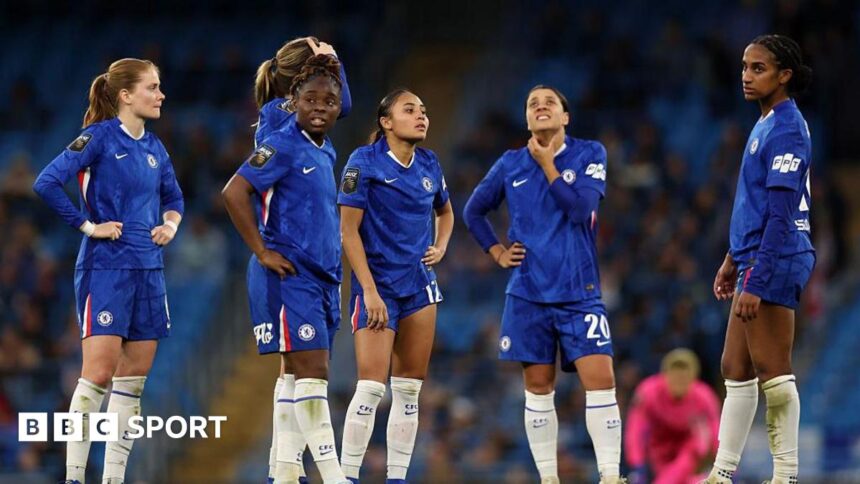
For nearly a decade, the answer to the question “Who will win the Women’s Super League?” was a foregone conclusion. Chelsea were not just champions; they were a relentless, trophy-hoarding machine. Under Emma Hayes, they perfected the art of winning, securing six consecutive WSL titles with a blend of star power, tactical nous, and an unshakeable winning mentality. Yet, in the space of a single, turbulent season, that aura of invincibility has evaporated. A stunning 5-1 demolition by Manchester City on Sunday wasn’t just a defeat; it was a public humiliation that laid bare a profound crisis. From invincibles to vulnerable, sitting third and 12 points adrift, Chelsea’s dynasty is under threat. The question echoing across women’s football is simple: how did it all go so wrong, so fast?
The Hayes Void: A Leadership Chasm
The most seismic shift at Chelsea occurred not on the pitch, but in the dugout. Emma Hayes’ departure to lead the US Women’s National Team was always going to be a monumental challenge, but the scale of the transition has been catastrophic. Hayes was more than a manager; she was the architect, the motivator, the identity of the club. Her ability to manage big personalities, make decisive tactical tweaks, and instill a belief that victory was inevitable was irreplaceable.
The appointment of Sonia Bompaster, Hayes’ former assistant, made logical sense for continuity. However, stepping into the shoes of a legend is an almost impossible task. The loss of Hayes’ in-game management and her unique psychological edge has been stark. Under pressure, Chelsea now look tactically uncertain and mentally fragile—a stark contrast to the resilient unit they once were. The leadership chasm is the foundational crack from which all other problems have stemmed.
A Stuttering Engine Room: Midfield Malaise
Chelsea’s dominance was built on controlling games through a dynamic, often overpowering midfield. This season, that engine room has spluttered. The departure of influential midfielder Magdalena Eriksson (as a player) last summer was a significant blow to the team’s balance and leadership on the pitch. While the summer signings were headline-grabbing, they have struggled to coalesce into a functional unit.
- Melanie Leupolz’s form has dipped following her return from maternity leave, disrupting the midfield’s rhythm.
- Key injuries to stars like Millie Bright and captain Sam Kerr have robbed the team of its spine and primary goal threat, placing immense pressure on others.
- New signings have, so far, failed to replicate the seamless integration of previous years, leading to a disjointed look in the center of the park.
This midfield malaise has left the defense exposed and the attack isolated, breaking the fluid system that made Chelsea so formidable.
The Psychological Collapse: A Lost Winning Mentality
Perhaps the most alarming aspect of Chelsea’s decline is the psychological one. The winning mentality that defined the Hayes era has visibly shattered. The team that once ground out results when not playing well now folds under adversity. The 4-1 defeat to Arsenal and the 5-1 thrashing by Manchester City are not just losses; they are performances devoid of the fight and organization that were once non-negotiable.
This points to a deeper issue within the squad. The pressure of the transition, combined with key absences, has eroded collective confidence. Players who were once certain of their roles and the system now appear hesitant. The fear of losing has replaced the expectation of winning. In a league as competitive as the WSL, that shift in mindset is often the difference between champions and also-rans.
A League No Longer in Awe: The Rise of the Challengers
Chelsea’s decline cannot be viewed in isolation; it has been accelerated by the dramatic improvement of their rivals. While Chelsea have stalled, Manchester City and Arsenal have strengthened significantly, both in terms of squad depth and tactical sophistication. City, in particular, have built a formidable and hungry squad, playing with a cohesion and intensity that Chelsea currently cannot match.
The WSL is now a genuine multi-horse race. Leicester City and Liverpool have also invested and improved, making every match a potential pitfall. The league that Chelsea once bullied now pushes back harder. The competitive landscape of the WSL has fundamentally shifted, and Chelsea, in their state of flux, have been caught standing still.
What Comes Next? Predictions for a Critical Summer
Chelsea’s immediate focus must shift from an improbable title defense to securing a top-three finish and Champions League qualification—a bare minimum for a club of their stature. Failure to do so would represent an unmitigated disaster and hinder their ability to attract top talent.
The summer will be the most critical in the club’s modern history. The board must make a definitive decision on the managerial position. Does Sonia Bompaster get time and significant backing to build her own project, or does the club seek a new, high-profile manager to initiate a full rebuild?
Either way, a major squad overhaul is inevitable. The process will involve:
- Ruthlessly refreshing an aging squad and moving on from loyal servants who are past their peak.
- Strategic recruitment that addresses clear tactical needs, not just collecting star names.
- Re-establishing a clear, unified playing identity that has been lost this season.
Chelsea’s fall from grace is a stark reminder that in modern football, dynasties are fragile. The combination of a legendary manager’s exit, key player transitions, a psychological dip, and the rapid ascent of rivals has created a perfect storm. The 5-1 defeat to Manchester City was not an anomaly; it was a symptom of a deep-rooted issue. The era of unquestioned dominance is over. What emerges from the rubble at Kingsmeadow—a swift return to power or a prolonged period of transition—will define the next chapter of Chelsea Football Club. The reign is over; the rebuild begins now.
Source: Based on news from BBC Sport.