‘Not a Massive Fan’: In-Game Adverts Rile Fans on Six Nations Debut
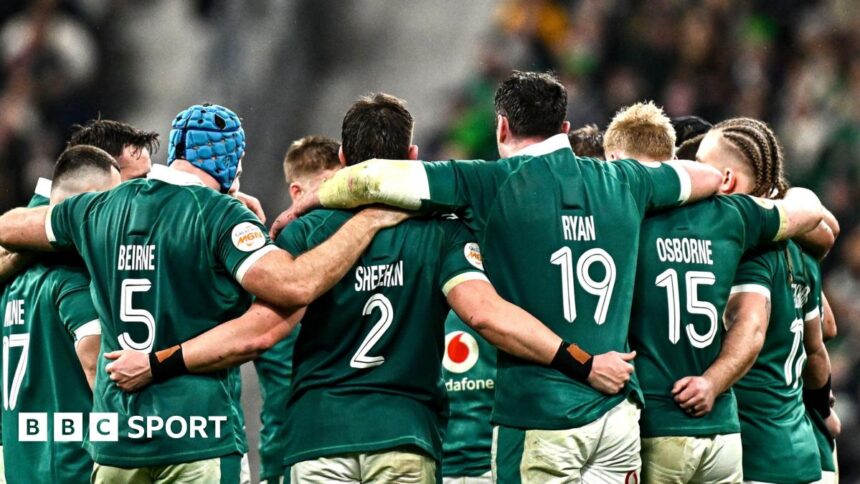
The 2024 Six Nations was always going to deliver seismic collisions, but the biggest impact of the opening weekend may have come from a source off the pitch. As France powered to a 38-17 victory over a stunned Ireland in Marseille, a different kind of history was made for viewers in the UK. During a brief pause in play, broadcaster ITV unveiled the nation’s first-ever split-screen, in-game advertisement during a live rugby match. The experiment, lasting a mere 20 seconds, has ignited a firestorm of debate that threatens to reshape the delicate relationship between sport, broadcaster, and fan.
A Fluffed Lineout, A Broadcast First
The moment of broadcasting history arrived not from a moment of genius, but from an error. In the 17th minute, with Ireland already under pressure, flanker Cian Prendergast knocked on. As the players regrouped for the ensuing scrum, ITV’s coverage shifted. The screen divided. On one side, a wide, high shot of the Stade de France showed the two forward packs being painstakingly marshalled by referee Karl Dickson. The familiar commentary was replaced by a soundtrack of generic, cinematic strings.
On the other side of the screen, an advert for a Samsung mobile phone played out. Ironically, it depicted a group of friends enjoying a rugby match together—presumably one free of intrusive advertising. For 20 seconds, this parallel universe existed. Crucially, by the time the ad concluded, the scrum had not even engaged. Dickson was still in the process of setting the front rows. The game, in its purest form, was waiting. But for the broadcaster, the commercial opportunity was not.
Fan Fury and the Slippery Slope
The reaction from rugby’s devoted fanbase was swift and overwhelmingly negative. Social media platforms became a scrum of discontent. The phrase “not a massive fan” trended, understating a tidal wave of frustration. For a sport that prides itself on tradition, continuous flow, and respect, the intrusion felt jarring, even sacrilegious.
The core complaints from fans and pundits are multifaceted:
- Breach of Immersion: Rugby, especially a tense Six Nations clash, builds narrative and tension through its unbroken flow. The ad shattered this immersion at a moment of tactical setup.
- The “Slippery Slope” Fear: This is the predominant concern. If 20 seconds during a scrum setup is acceptable, what’s next? Adverts during penalty kicks, tries under review, or injury breaks? Fans fear a future where the game’s rhythm is dictated by ad breaks.
- Undermining Key Moments: Scrum preparation is not dead time. It is a tactical chess match where calls are made, weaknesses identified, and pressure applied. The ad robbed viewers of this nuance.
- Hypocrisy of the Content: The advert’s idyllic, ad-free viewing party was seen by many as a tone-deaf contrast to the experience ITV was actively creating.
“It’s a dangerous precedent,” wrote one former professional on social media. “The soul of a live sports broadcast is being in the moment, every moment. Start selling pieces of that away, and you’re left with a fractured product.”
The Commercial Pressure: Why Broadcasters Are Pushing Boundaries
To understand ITV’s move, one must look at the brutal economics of modern sports broadcasting. Securing rights for premium events like the Six Nations involves astronomical sums. Broadcasters, in turn, must maximize revenue from advertising inventory to justify the investment.
With the rise of streaming services and ad-skipping technology, the value of the traditional pre-roll or halftime ad is diminishing. In-game advertising represents a new frontier—a captive audience during moments where viewers are least likely to look away. From a pure business perspective, it’s a logical, if ruthless, innovation.
ITV defended the trial, stating it was a “short, split-screen test” during natural pauses to “minimise disruption” and that they would “listen carefully to viewer feedback.” This language is key. It frames the ad not as an interruption, but as a utilization of “dead air.” The problem for rugby purists is that in their sport, there is no such thing.
Analysis & Prediction: Will the Experiment Survive?
As a sports journalist, I see this as a critical inflection point. The backlash from the rugby community has been more visceral and unified than perhaps the broadcasters anticipated. Rugby fans are a different demographic to, say, NFL audiences who are conditioned to regular ad breaks. The cultural fit is poor.
My prediction is a tactical retreat, followed by a strategic rethink. The ferocity of the response will likely cause ITV and other rights holders to pause any plans for a rapid rollout. We may not see another split-screen ad during live play in this year’s Six Nations.
However, the financial pressure will not vanish. Therefore, broadcasters will return with more nuanced, and perhaps more insidious, alternatives:
- Augmented Reality Overlays: Virtual billboards on the pitch or branded graphics superimposed during stoppages, less intrusive than a full video split-screen.
- Sponsored Replays & Analysis: A deeper integration where specific slow-motion breakdowns or stats segments are presented by a sponsor.
- “Official Partner” Moments: Formalizing the language around natural breaks (“This scrum setup is brought to you by…”).
The ultimate battle line will be drawn around the live action itself. If broadcasters confine added commercial elements strictly to moments when the ball is definitively dead—after a try is scored, during a TMO review, or at a conversion—they may find a grudging acceptance. The moment they encroach on the time between the referee’s whistle and the restart of play, they will reignite the fury.
A Conclusion for the Soul of the Game
The 20-second ad in Marseille was a probe, testing the market’s tolerance. The result is clear: the tolerance is exceptionally low. The incident has sparked a vital conversation about the value of sport as a cultural experience versus its value as a commercial vehicle.
Rugby’s appeal lies in its relentless drama, its tension that builds without artificial interruption. The in-game advert experiment, however brief, treated the sport as a background canvas for a mobile phone commercial. Fans felt like consumers first and spectators a distant second.
The message from the stands and sofas is unequivocal: we are not “not massive fans.” We are passionate custodians of the game’s rhythm and spirit. Broadcasters and rights holders would be wise to heed this warning. In the race for revenue, they risk degrading the very product that makes their multi-million pound investments worthwhile. The scrum is set, the engagement is imminent. The next move will define the future of how we watch the game we love.
Source: Based on news from BBC Sport.