Turning Point USA’s Halftime Show: A Political Tribute in the Super Bowl Spotlight
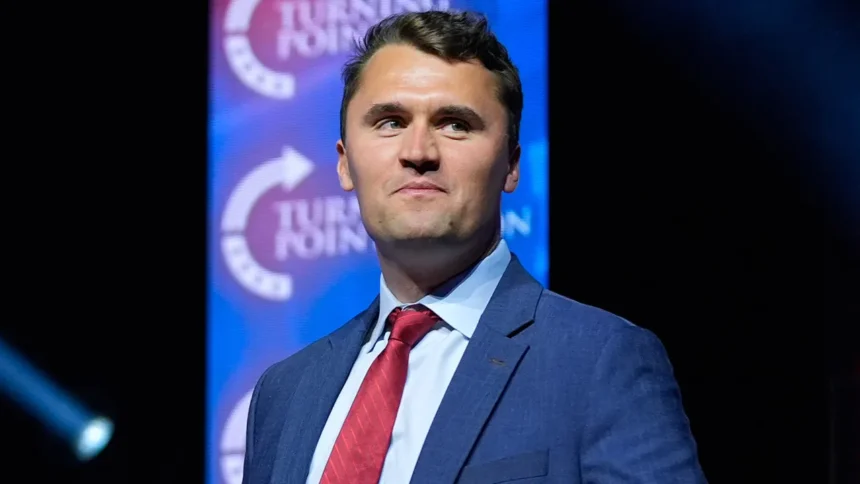
The Super Bowl halftime show is traditionally a spectacle of pure pop culture, a meticulously choreographed escape from the pressures of the game and the world outside. This year, however, a different kind of halftime performance made waves, weaving a deeply personal and political narrative into its fabric. Turning Point USA’s “All-American Halftime Show,” an alternative event, became the stage for a poignant tribute to its late founder, Charlie Kirk, blurring the lines between concert, rally, and memorial in a move that signals a new frontier for the conservative movement’s cultural strategy.
A Halftime Show Unlike Any Other
While the official Super Bowl LVIII halftime show featured Usher’s glitzy, Vegas-ready R&B, Turning Point USA (TPUSA) presented its own lineup of artists known for their country and heartland rock roots. The event, featuring performances by Lee Brice, Gabby Barrett, and Brantley Gilbert, culminated with a finale from Kid Rock. The atmosphere was one of patriotic celebration, but it was during Kid Rock’s set that the tone shifted from concert to commemoration. As the musician wrapped up a song, the large video boards encircling the stage transitioned from live footage to a series of personal photographs. The images were of Charlie Kirk, his wife and TPUSA CEO Erika Kirk, and their children—a quiet, familial tribute beamed to the thousands in attendance.
This moment was more than a simple memorial; it was a strategic and symbolic passing of the torch. In an earlier appearance on ‘The Story,’ Erika Kirk had discussed the expansion of what she termed “Club America,” framing TPUSA’s growth not just as organizational, but as a cultural movement. The halftime show served as a powerful launchpad for this vision, demonstrating the group’s reach and its intent to anchor itself in American entertainment traditions.
The Strategy Behind the Tribute: Merging Politics and Patriotism
The decision to honor Charlie Kirk in this specific forum offers a masterclass in political narrative-building. TPUSA didn’t just issue a press release; it embedded its founder’s legacy into a shared, emotional, and culturally resonant experience. This approach achieves several key objectives:
- Humanizing the Movement: By showcasing photos of Kirk as a husband and father, TPUSA moved beyond political ideology to present a relatable human story, fostering a deeper emotional connection with the audience.
- Claiming Cultural Space: Hosting a major, artist-filled halftime show positions TPUSA as a parallel to mainstream cultural institutions. It asserts that conservative values have a home—and a show—just as compelling as any other.
- Solidifying Continuity: The tribute, presided over by Erika Kirk as CEO, visually reinforced a seamless transition of leadership. It affirmed that the mission Kirk championed is alive, personal, and in steady hands.
Expert analysis suggests this is part of a larger, deliberate pivot. “Political movements have long used cultural touchpoints to spread their message,” notes Dr. Evelyn Shaw, a professor of political communication. “What TPUSA is executing is a next-level fusion. They are not just sponsoring a booth at a fair; they are producing the entire fair, complete with its own emotional climax. The halftime tribute wasn’t an aside—it was the headline act, designed to create a lasting, sentimental memory tied directly to their cause.”
Erika Kirk’s “Club America” and the Road Ahead
Erika Kirk’s reference to “Club America” is particularly revealing. This phrasing suggests an ecosystem—a network of events, media, commerce, and community that operates with a distinct identity. The halftime show is a flagship event for this club. Expectations for TPUSA’s future, as discussed by Kirk, likely include:
- Expanded Event Series: More large-scale concerts, conferences, and gatherings that rival mainstream festivals in production value.
- Media and Content Expansion: Leveraging the momentum from events like the halftime show to launch or amplify streaming shows, podcasts, and documentary projects.
- Deepened Youth Engagement: Using the cultural cachet of these events to recruit and energize the next generation of conservative activists in a format that feels native to them.
The “All-American Halftime Show” is a template. It proves the model works: attract a crowd with music, unite them with shared symbols, and deliver a powerful, values-driven message. The tribute to Charlie Kirk was that message in its most potent, non-verbal form.
Predictions: The New Arena of Political Influence
This event sets a precedent that will likely influence the political landscape for years to come. We can anticipate several key developments:
First, the arms race in political-cultural production will intensify. Other groups across the spectrum will feel pressure to match the scale and emotional resonance of TPUSA’s productions. The halftime show is a high bar, signaling that voter outreach may soon require a tour bus and a lighting rig.
Second, the very definition of “political event” will continue to expand. The lines will blur further. Is it a concert? A rally? A memorial? The answer is yes—it’s a multifaceted engagement tool. The most successful organizations will be those that can master this hybrid format.
Finally, personal legacy will become central to institutional branding. Charlie Kirk’s image is now inextricably part of TPUSA’s brand equity, much like a founder’s portrait in a corporate lobby. This personalization builds loyalty that pure policy cannot. We should expect other movements to elevate their foundational figures in similarly iconic, cultural ways.
Conclusion: A Lasting Impact Beyond the Field
Turning Point USA’s “All-American Halftime Show” will be remembered for far more than its musical lineup. The poignant tribute to Charlie Kirk, set against the backdrop of a major sporting weekend, marked a definitive turning point in how political movements engage with the public. It demonstrated that the battle for hearts and minds is increasingly fought on the stages of popular culture, through shared experiences that prioritize emotion and identity. Erika Kirk’s “Club America” is open for business, and its inaugural flagship event proved it can deliver a message that is felt as deeply as it is heard. As the lights dimmed on Kid Rock’s set and the faces of a family flickered across the screens, it was clear: this wasn’t just a halftime show. It was a blueprint for the future of political mobilization.
Source: Based on news from Fox Sports.