Pakistan Nears Dramatic U-Turn on India Boycott, Final Decision Imminent for T20 World Cup Clash
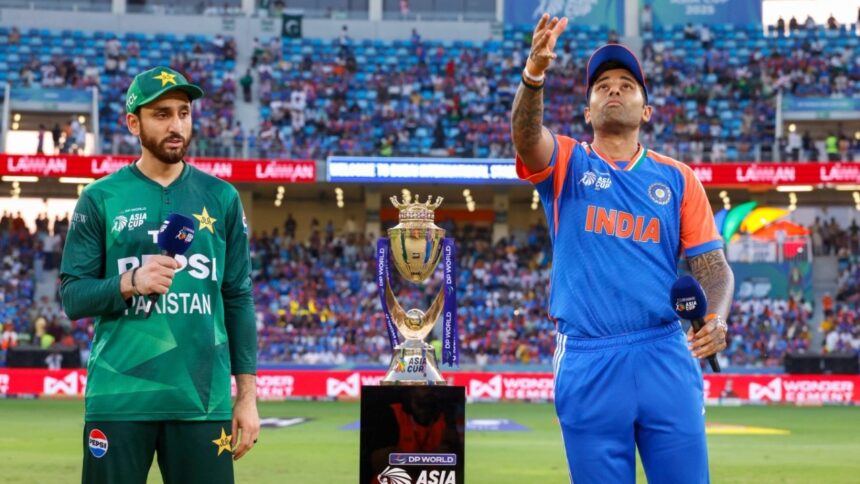
The cricketing world is holding its breath. In a dramatic twist to a saga that threatened to derail one of sport’s greatest spectacles, the Pakistan Cricket Board (PCB) is on the verge of a major reversal, poised to confirm its participation in the T20 World Cup 2026 blockbuster against India. After days of high-stakes brinkmanship, a breakthrough in Lahore has set the stage for official confirmation within the next 24 hours, ensuring the February 15 showdown in Colombo remains the tournament’s glittering centerpiece.
The Lahore Breakthrough: Diplomacy Trumps Boycott
The path to this potential resolution was paved during a crucial high-level tripartite meeting in Lahore on Sunday. Representatives from the International Cricket Council (ICC), the PCB, and the Bangladesh Cricket Board (BCB) convened in what sources describe as a “solution-oriented” dialogue. The meeting’s primary objective was to defuse a tense standoff that began when Pakistan, in a show of solidarity with Bangladesh, announced it would boycott its marquee World Cup fixture against India.
This chain reaction started when Bangladesh initially refused to travel to India for their scheduled matches, citing unresolved logistical and security concerns. The PCB, leveraging its longstanding geopolitical stance, swiftly aligned itself with its fellow subcontinental board. However, the ICC’s intervention has fundamentally altered the calculus.
- ICC’s Conciliatory Stance: The global governing body adopted a lenient and pragmatic approach towards Bangladesh’s reservations, working to address their specific concerns rather than imposing punitive measures.
- De-escalation Strategy: By resolving the core issue with Bangladesh, the ICC effectively removed the foundational reason for Pakistan’s boycott, leaving the PCB with little diplomatic ground to stand on.
- Preserving the Crown Jewel: The ICC’s primary motive is clear: protect the commercial and sporting integrity of the World Cup. An India-Pakistan match is the single biggest revenue driver in cricket, and its absence would have been a catastrophic blow.
Geopolitics vs. The Game: The Eternal Tug-of-War
The India-Pakistan cricket rivalry is never just about cricket. It is a potent cocktail of national pride, historical tension, and unparalleled sporting passion. This latest episode is a textbook case of sports diplomacy in action, where boardroom negotiations carry the weight of interstate relations.
Expert analysis suggests the PCB’s initial boycott threat was a strategic gambit with multiple objectives. It served as a powerful gesture of unity within the cricket community, particularly aimed at strengthening the position of Asian cricket boards vis-à-vis the financial might of India, England, and Australia. It also allowed Pakistan to register its geopolitical stance on a global sporting platform. However, the move always carried immense risk. A boycott would have isolated Pakistan further in the cricketing ecosystem, potentially inviting severe financial penalties and legal repercussions from the ICC for violating the tournament’s participation agreement.
The ICC’s deft handling—focusing on mediation with Bangladesh rather than confrontation with Pakistan—provided the PCB with a face-saving exit ramp. “The ICC has played a masterstroke,” notes a veteran sports journalist covering Asian cricket. “By solving the Bangladesh problem, they called Pakistan’s bluff without ever having to publicly condemn them. The PCB can now claim it stood by its ally until the issue was resolved, thus upholding its principles, while still fulfilling its sporting commitments.”
What to Expect: The Colombo Spectacle and Beyond
Barring a last-minute surprise, all systems are go for February 15 in Colombo. The match is expected to be a sell-out, with security arrangements elevated to a presidential level. The focus will now violently shift from boardroom politics to on-field tactics.
Key predictions for the clash and its aftermath include:
- Unprecedented Security: Expect a fortress-like environment at the Colombo stadium, with coordination between Sri Lankan authorities, ICC security teams, and delegations from both India and Pakistan.
- Commercial Windfall: Broadcasters and sponsors, who were facing a nightmare scenario, will now see advertising rates for the match slot skyrocket to record levels, potentially making it the most valuable T20 match in history.
- Heightened Intensity: The off-field drama will only add fuel to the on-field fire. Players from both sides will be acutely aware of the significance of this match, not just for points, but for national sentiment.
- A Precarious Precedent: While crisis is averted for 2026, this episode sets a concerning precedent. It demonstrates how easily bilateral political tensions can be weaponized to threaten ICC events, potentially encouraging similar tactics in the future.
A Fragile Peace: The Long Road Ahead for Cricket
The imminent U-turn by Pakistan, while relieving, underscores the fragile nature of cricketing relations between the two nations. It highlights a disturbing reality: the continuation of their storied rivalry is perpetually at the mercy of political winds and diplomatic maneuvering. The ICC, for all its commercial success, remains vulnerable to these forces when it comes to its most valuable asset.
This saga should serve as a wake-up call. The sport’s global governing body must work towards institutionalizing the India-Pakistan contest within its event structures, making it less susceptible to last-minute boycotts. This could involve clearer contractual obligations with heavier penalties, or even exploring neutral-venue, multi-year agreements to insulate the fixture from short-term political flare-ups.
For now, fans can exhale. The cricketing world’s greatest rivalry is set to deliver another unforgettable chapter under the lights in Colombo. The roar of the crowd will once again drown out the whispers of diplomats, and a bat and ball will decide the outcome—as it should be. But the events of this week are a stark reminder that in the world of India-Pakistan cricket, the most thrilling contests are often fought not on the green turf, but in the muted corridors of power. The game goes on, but the underlying tensions remain, waiting for the next innings.
Source: Based on news from India Today Sport.