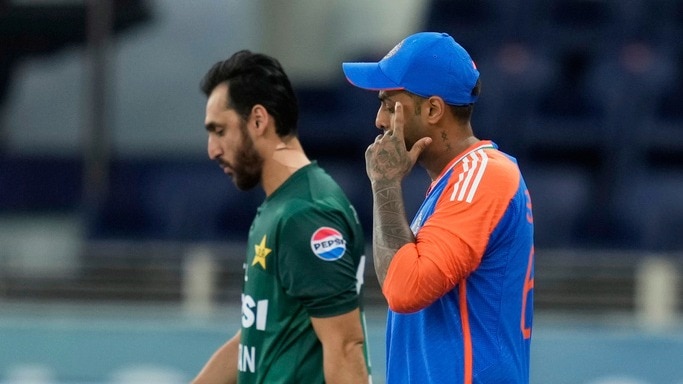
Geopolitics and Googlies: Pakistan’s Dramatic U-Turn Secures Epic India-Pakistan T20 World Cup Clash
The stage is set. The date is confirmed. The most electrifying rivalry in global sports will, after days of high-stakes uncertainty, light up the T20 World Cup as planned. In a stunning reversal, the Government of Pakistan has directed its national cricket team to play its scheduled blockbuster match against India on February 15, 2026, in Colombo. This dramatic U-turn, announced via an official government statement, averts a catastrophic schism in the tournament and delivers a seismic sigh of relief to millions of fans and the International Cricket Council (ICC) alike. The decision, framed as a move to protect “the spirit of cricket,” concludes a tense diplomatic and sporting standoff that threatened to overshadow the entire event.
The Brink and Back: Anatomy of a High-Stakes U-Turn
The journey to this confirmation was anything but smooth. Reports had swirled that the Pakistan Cricket Board (PCB), backed by governmental sentiment, was considering a boycott of the marquee fixture. The reasons, often existing in the nebulous zone where sport and geopolitics collide, were speculated to be rooted in broader bilateral tensions. The prospect of the match being called off sent shockwaves through the cricketing world, putting immense pressure on tournament organizers and threatening the commercial and sporting integrity of the T20 World Cup 2026.
The resolution, as outlined in the official statement, points to intense behind-the-scenes maneuvering. Key factors in the reversal include:
- Multilateral Discussions: High-level talks involving the ICC, likely with input from other cricket boards, emphasized the contractual and reputational risks of a boycott.
- Request of Friendly Countries: This phrase hints at quiet diplomacy from mutual allies, underscoring the match’s significance beyond the boundary rope.
- Protecting the Spirit of Cricket: Invoking this core principle served as the public-facing, unifying rationale for the decision.
- Commercial Imperatives: The financial implications for the global event, broadcasters, and sponsors are colossal, a reality impossible to ignore.
This sequence of events highlights a critical modern reality: an India-Pakistan clash is no longer just a cricket match. It is a global spectacle, a geopolitical weather vane, and a multi-million-dollar enterprise, all rolled into one.
Expert Analysis: The Weight of the World on 22 Yards
From a purely sporting lens, this confirmation is the best possible outcome. The India-Pakistan rivalry is the crown jewel of ICC events, a contest that transcends statistics. The pressure on players is unparalleled; careers can be defined by a single performance in this fixture. For the 2026 edition, the Colombo setting adds another layer of intrigue. The pitch at the R. Premadasa Stadium traditionally favors spin and balanced batting, which could lead to a more tactical battle compared to the power-hitting fest often seen on Australian or Caribbean surfaces.
The psychological dynamics will be fascinating. Which team benefits more from the drama of the build-up? India, potentially relieved of the “no-result” scenario, can now focus purely on cricket. Pakistan, having made a public stance and then stepped back, could either play with a point to prove or carry residual distraction. The management of external noise will be as crucial as any game plan.
Furthermore, this episode reinforces the ICC’s challenging position in navigating the India-Pakistan divide. While the council successfully helped broker peace this time, it exposes the tournament’s vulnerability to forces outside its control. It will likely accelerate discussions about longer-term frameworks to insulate global events from bilateral political fluctuations, though a perfect solution remains elusive.
Predictions and Storylines: What to Expect on February 15, 2026
While predicting the outcome of an India-Pakistan match is a fool’s errand, the contours of the contest are already taking shape. Expect a global audience record to be shattered, with viewership likely to spike across the Indian subcontinent, diaspora communities worldwide, and neutral cricket lovers drawn to the sheer theater.
Key on-field battles to watch will include:
- Spin Wizardry vs. Modern Batting: How will India’s likely lineup of aggressive stroke-players handle Pakistan’s potent spin options on a Colombo track, and vice-versa?
- Pace Attacks: Both sides boast world-class fast bowlers capable of early breakthroughs. The powerplay overs could decide the match’s momentum.
- Captaincy Under Fire: The tactical duel between the skippers will be magnified. Every field placement, bowling change, and batting order tweak will be dissected in real-time by billions.
The narrative will inevitably extend beyond the boundary. The crowd in Colombo, typically supportive of both teams, will be a vibrant, neutral backdrop. Security will be at an unprecedented high, and the media frenzy in the days leading up to the match will be all-consuming. This is not just a group-stage game; it is the de facto final for many, regardless of the eventual tournament winner.
A Victory for Cricket, For Now
The Government of Pakistan’s directive to “take the field” is, ultimately, a decisive victory for the sport. It preserves the sanctity of the T20 World Cup schedule and delivers the fixture that is the tournament’s lifeblood. By citing the “spirit of cricket” and the sport’s global continuity, the statement attempts to elevate the decision above the fray of politics, framing it as a necessary sacrifice for a greater good.
However, this episode serves as a stark reminder of the fragile ecosystem that hosts this rivalry. The 2026 clash in Colombo is secured, but the underlying tensions that prompted the boycott threat remain. Cricket continues to walk a tightrope, relying on back-channel diplomacy and commercial pressure to keep its greatest showpiece alive.
For now, though, the fans have won. The players will have their chance to write a new chapter in this storied contest. On February 15, 2026, in the heart of Colombo, cricket will be the only winner that matters—a sentiment hard-won after a week where it seemed the game might lose its most precious jewel to forces beyond the boundary. The U-turn is complete. Let the countdown to the cauldron begin.
Source: Based on news from India Today Sport.