Spurs’ Disallowed Goal: A ‘Soft’ Shove That Swayed a Derby?
The North London Derby is a fixture forged in fire, where every decision is magnified under a white-hot spotlight. In Arsenal’s seismic 4-1 victory at the Tottenham Hotspur Stadium, a pivotal moment just before halftime didn’t involve a thunderous strike or a miraculous save, but a referee’s whistle that has ignited fierce debate. The disallowing of a Tottenham goal for a foul by Randal Kolo Muani on Gabriel Magalhães has been branded “soft” by pundits, a decision that may have irrevocably altered the trajectory of a title-chasing clash.
The Incident: A Flashpoint of Contact and Controversy
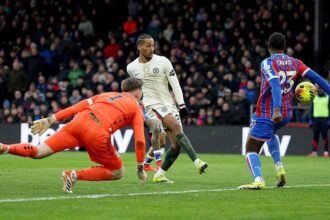
With Arsenal leading 1-0 and Spurs building rare momentum, a hopeful ball was sent into the Gunners’ box. As it descended, Randal Kolo Muani and Gabriel engaged in a familiar ballet of physicality. The Spurs forward, backing into the defender, made contact. Gabriel fell, and referee Michael Oliver’s whistle blew instantly, ruling out the subsequent goal scored in the same phase of play. From one angle, it appeared a routine use of a forward’s body. From another, a clear push. In real time, the decision was made: foul on Gabriel. The equalizer was chalked off, and Arsenal, galvanized, struck a devastating second moments later. The psychological swing was monumental.
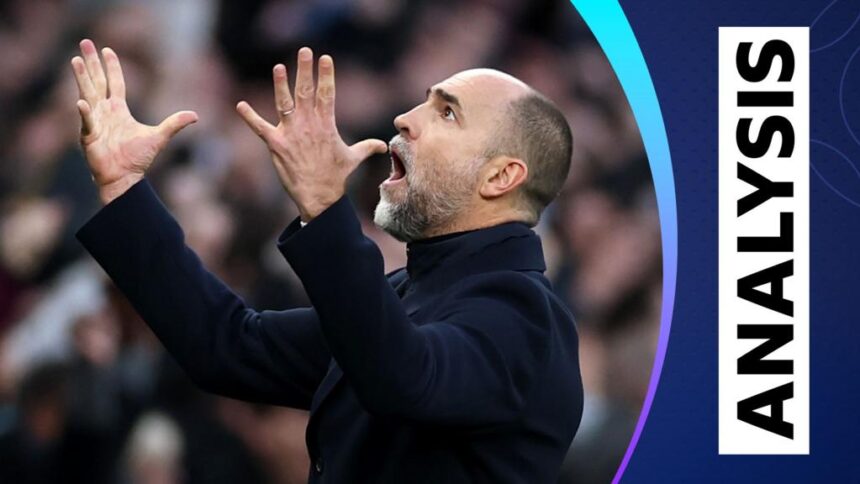
Match of the Day pundit and former goalkeeper Shay Given minced no words in his analysis. “I think it’s soft,” he stated, echoing the sentiment of many watching. “I think Tottenham have a reason to be disappointed.” His co-pundit, Danny Murphy, concurred, highlighting the inconsistency that frustrates players and fans alike. This expert analysis underscores a growing tension in the modern game: the line between acceptable contact and a punishable foul has become perilously thin, especially in the penalty area.
Analysis: The Unwritten Rules of Physicality in the Box
Striker-defender duels are the bedrock of football. A certain amount of grappling, leaning, and positioning is not just expected but accepted. The critical question is: when does positioning become a push? The Laws of the Game state a direct free kick is awarded if a player “pushes an opponent.” Interpretation is everything.
- Precedent: Similar incidents have been waved away weekly. Defenders often go down under lesser contact to “sell” a foul.
- Force and Intent: Was Muani’s action a deliberate shove to create space, or merely holding his ground against a defender who was also applying force?
- Game Context: The enormity of the derby and the timing of the call inevitably magnifies its perceived severity. A “soft” foul in a midfield battle is forgotten; the same decision in the box during a derby becomes legendary.
This refereeing decision falls into a murky grey area. One can construct a compelling argument for both sides, which is precisely why it’s so contentious. For Arsenal, it was a defender wisely using the rules to protect his goalkeeper and space. For Tottenham, it was a critical moment of momentum stolen by a defender’s savvy and a referee’s quick whistle.
The Ripple Effect: How a Single Call Changed a Title Race
To view this incident in isolation is to misunderstand football’s narrative flow. The psychological impact was immediate and tangible.
For Tottenham: The roar of celebration was cut dead, replaced by furious protests and a deflating sense of injustice. Instead of going into halftime at 1-1 with belief surging, they trailed 1-0 and were then sucker-punched by Bukayo Saka’s goal. Their game plan, and potentially their spirit, was fractured in that sequence.
For Arsenal: It was a monumental let-off. It reinforced a sense of resilience and perhaps destiny. They survived a major scare and were handed a chance to land a knockout blow before the break, which they executed ruthlessly. The North London Derby momentum, that intangible force, swung violently toward the visitors.
This is the true weight of controversial calls. They are not just about denying a goal; they are about altering the emotional and tactical fabric of the match. The 4-1 final scoreline suggests a rout, but history will remember that the match might have unfolded very differently had that goal stood.
Looking Ahead: Repercussions for Spurs and the Title Race
The fallout from this result is starkly different for each club. For Mikel Arteta’s Arsenal, it’s a statement victory that keeps them atop the table, a demonstration of champion mentality—capitalizing on fortune and crushing opposition spirit. The debate over the disallowed goal is, for them, a footnote on a crucial three points.
For Ange Postecoglou’s Tottenham, the predictions are more concerning. This defeat exposes a potential fragility against the very best and leaves them in a precarious top-four fight. The danger is that the narrative of “what if” becomes a distraction. Postecoglou’s philosophy is built on relentless forward momentum, not dwelling on setbacks. How his team responds will define their season. Will this injustice unite them, or will it seed doubt?
Furthermore, the incident fuels the eternal call for VAR consistency. While the technology checked the decision, it did not find a “clear and obvious error” to overturn Oliver’s on-field call. This maintains the high threshold for intervention, but does little to settle the debate over what constitutes a clear foul in such scenarios.
Conclusion: The Thin Whistle of History
In the grand, heated theatre of the North London Derby, Michael Oliver’s whistle has written a controversial line in the script. While Shay Given and Danny Murphy’s view that the push was “soft” holds significant weight, the definitive judgment resides with the only opinion that mattered in the moment: the referee’s.
This incident is a perfect microcosm of modern football’s dilemmas—the search for consistency in interpretation, the acceptance of physicality, and the soul-crushing impact of a decision that feels unjust. For Arsenal, it’s a pivotal moment in a charge for glory. For Tottenham, it’s a painful “what if” in a season of progress. The goal that wasn’t will be debated in pubs and living rooms for years, a testament to the fact that in derbies of this magnitude, history is often shaped not just by goals, but by the decisions that disallow them.
Source: Based on news from BBC Sport.