‘Dream Come True’: Harry Redknapp’s Unlikely Journey from FA Cup to Gold Cup Glory with Jukebox Man
The roar of the Fratton Park faithful is a world away from the thunderous gallop of hooves on Cheltenham’s hallowed turf. Yet for Harry Redknapp, the emotional crescendo of leading a winner into the spotlight feels strangely familiar. Sixteen years after his iconic FA Cup triumph with Portsmouth, football’s most charismatic manager is on the cusp of sporting history of a different kind. This Friday, his star steeplechaser, Jukebox Man, aims to transform a fairytale into legend by conquering the Cheltenham Gold Cup. For Redknapp, it’s more than a race; it’s the culmination of a lifelong passion, inherited from the East End and nurtured against the odds.
From the Kop to the Saddle: A Racing Love Story Born in the East End
While the world knows ‘Arry for his wheeler-dealer transfer sagas and footballing genius, his heart has always had a stable door left ajar. This isn’t a celebrity fad. Redknapp’s connection to horse racing is woven into his very DNA, a story that begins not in a plush owners’ lounge, but in the bustling, grey streets of post-war London. His grandmother, Maggie Brown, was a bookmaker’s runner, a crucial and risky link in a time when off-course betting was illegal. “She’d be taking bets, running around, it was in the family,” Redknapp has often recalled, painting a picture of a gritty, passionate introduction to the sport.
His own early forays were modest—”sticking a pen in a couple” of horses as a young man. But the seed was planted. Decades later, after a career defined by football’s highs and lows, he turned to racing not as a distraction, but as a true vocation. The journey from passionate punter to proud owner of a King George VI Chase winner is a testament to his keen eye, his love for the game, and the sheer, unadulterated joy he finds in a thoroughbred’s stride.
Jukebox Man: The Star Turn in Redknapp’s Racing Drama
Every great manager needs a talisman, a player who defines an era. In the muddy trenches of National Hunt racing, Redknapp has found his in Jukebox Man. The seven-year-old gelding announced himself on the biggest stage last December with a stunning victory in the King George VI Chase at Kempton Park. That race is widely considered the biggest jumps race of the season before the Cheltenham Festival, a brutal test of class, stamina, and heart. Jukebox Man’s decisive win was no fluke; it was a declaration of intent.
Now, the ultimate challenge awaits: the prestigious Cheltenham Gold Cup. The transition from Kempton’s flat, speed-favoring track to Cheltenham’s undulating, demanding Prestbury Park is a formidable one. Expert analysis suggests Jukebox Man’s potent blend of cruising speed and proven stamina makes him a legitimate threat. His running style—often sitting prominently before pouncing—is perfectly suited to the tactical war a Gold Cup becomes. Key factors in his favour include:
- Proven Big-Race Temperament: He didn’t just win the King George; he thrived under its intense pressure, a non-negotiable for Gold Cup day.
- Progressive Profile: He is a young, improving horse in a field where some rivals may have plateaued.
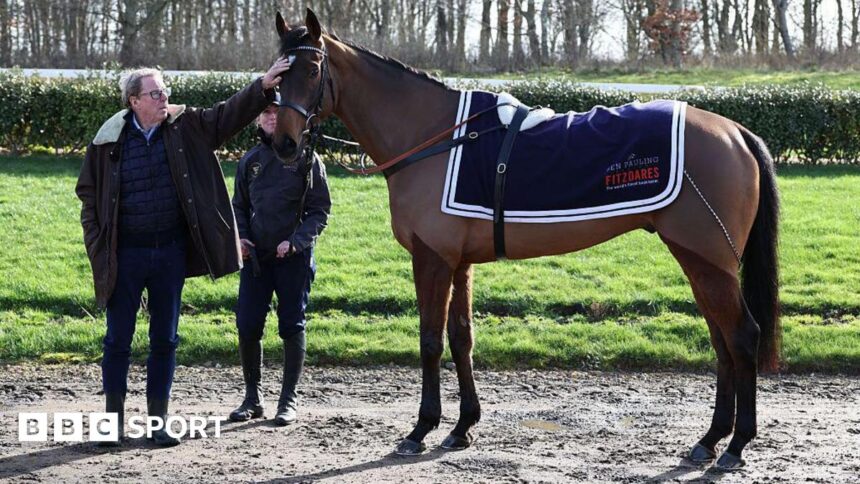
- Trainer Form: Trained by the shrewd Ben Pauling, the yard is in flying form and knows what it takes to prepare a horse for this peak.
- The “Redknapp Factor”: The infectious, belief-driven atmosphere surrounding Redknapp’s horses cannot be underestimated. It’s a tangible, positive force.
The Ultimate Prize: Can Football’s Magic Inspire Gold Cup Glory?
The parallels between May 2008 at Wembley and March 2024 at Cheltenham are irresistible. Then, Redknapp masterminded a classic underdog story against the might of Cardiff City. Now, he faces the established bluebloods of National Hunt racing. The Gold Cup is a different kind of cup final, one run over three and a quarter miles and 22 formidable fences.
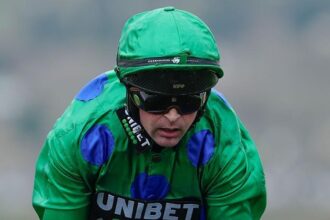
Predictions for the race are notoriously difficult, with a field packed with class. Galopin Des Champs seeks back-to-back wins, while the likes of Fastorslow and Gerri Colombe pose major threats. However, Jukebox Man represents the most compelling narrative and a serious winning chance. He will likely need to jump with fluency and conserve energy for the lung-bursting climb to the finish. If jockey Ben Jones can have him in the leading group turning for home, his potent turn of foot could decide the championship.
For Redknapp, the week is a whirlwind of nostalgia and anticipation. “It’s a dream,” he has said, reflecting on his journey. “To have a runner in the Gold Cup, let alone a horse with a chance, is unbelievable. It’s what you dream about when you get into racing.” The footballing fraternity, from former players to rival fans, will be united in cheering him on, recognising the pure sporting romance of his quest.
Conclusion: More Than a Game, a Legacy in the Making
Whether Jukebox Man crosses the line first or not, Harry Redknapp’s story in racing is already a triumphant one. He has transitioned from football icon to a respected and beloved figure in a completely different sport, his authenticity bridging two great British passions. His journey—from the whispers of his grandmother’s bookmaking past to the roar of the King George and now the precipice of Gold Cup glory—is a reminder that sporting dreams don’t retire when a career ends; they simply find a new field to play on.
Come Friday afternoon, as the tape goes up and the crowd falls silent, a piece of football history will be charging up the Cheltenham hill. A win would be one of the great crossover sporting moments, a “dream come true” etched in racing folklore. But for ‘Arry, the man who brought a cup to Portsmouth, the real victory is already secured: the unbridled joy of the journey, and the proof that sometimes, the best plays are made off the pitch.
Source: Based on news from BBC Sport.