


De Boinville & Queally: A Handshake That Silenced the Storm at Cheltenham
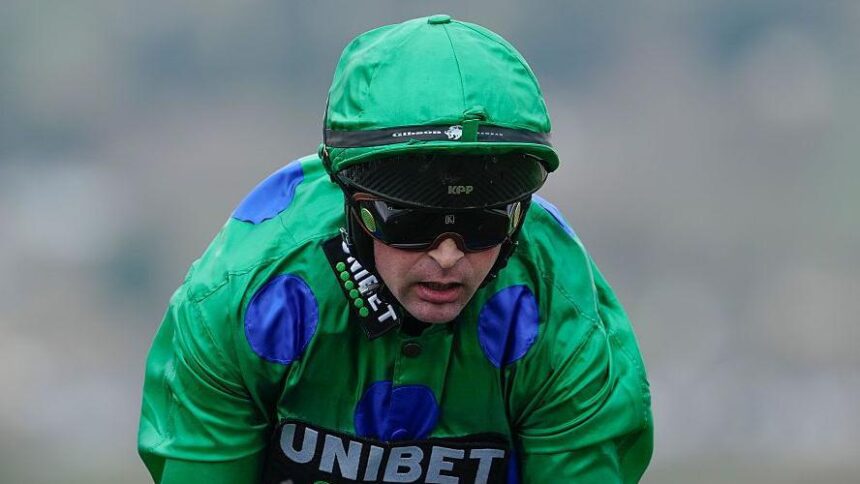
The roar of the Cheltenham Festival crowd is a sound that defines National Hunt racing. But on Wednesday, a different, more troubling noise threatened to overshadow the spectacle: an accusation of racial slurs exchanged in the tense moments before a race. By Thursday afternoon, that noise had been replaced by the quiet, powerful image of a handshake. The saga between English professional Nico de Boinville and Irish amateur Declan Queally became a microcosm of sport’s capacity for controversy and, crucially, its potential for swift resolution.
A False Start, A Heated Exchange, and A Serious Allegation
The incident erupted during the chaotic preamble to the Baring Bingham Novices’ Hurdle on day two of the Festival. A false start created a fraught, stop-start environment—a pressure cooker for jockeys already buzzing with adrenaline. In that “heat-of-the-moment battle,” as Queally later termed it, words were exchanged. Queally alleged that De Boinville had directed racial slurs towards him. For an event that prides itself on passionate but respectful Anglo-Irish rivalry, the allegation struck a deeply discordant note.
Nico de Boinville, a respected champion jockey with a clean record, moved quickly to address the claim. He issued a categorical denial, firmly stating he did not use the language alleged. The racing world held its breath, facing the prospect of a protracted, bitter dispute that could tarnish the heart of the jump racing season. The British Horseracing Authority (BHA) confirmed it was “looking into” the matter, a process that typically involves reviewing available footage and interviewing parties. The stage seemed set for an ugly, drawn-out investigation.
The Weight Room Handshake: A Calculated Peace or Genuine Resolution?
What happened next was both surprising and profoundly symbolic. On Thursday, ITV Racing brought both jockeys together at the entrance to the racecourse weight room. In front of the cameras, but away from the main grandstand frenzy, Declan Queally extended his hand. The two shook, and Queally stated, “All sorted and just a heat-of-the-moment battle. All is forgiven. Best of luck to Nico in the future.” De Boinville responded in kind, emphasizing the importance of moving on and offering his best wishes.
This was more than a mere photo opportunity. In the high-stakes, image-conscious world of professional sport, it was a deliberate act of conflict resolution. The key questions from an analytical standpoint are:
- Was this a genuine personal resolution? The language used—“all is forgiven”—suggests Queally chose to retract or downgrade his initial allegation, accepting De Boinville’s denial.
- Was it a pragmatic move for the good of the sport? Both jockeys, aware of the damage a public feud could inflict, may have prioritized the Festival’s reputation and their own careers.
- What role did the authorities play? While the BHA’s inquiry may continue, the public reconciliation likely applies significant pressure to close the case, citing a lack of a complainant or conclusive evidence.
The handshake effectively drew a line under the public aspect of the dispute. It returned the narrative focus to the racing, which is precisely what the Festival, its broadcasters, and sponsors required.
Expert Analysis: Navigating the “Heat-of-the-Moment” Defence
The phrase “heat of the moment” is pivotal here. In sport, it is a common, though not always acceptable, mitigation for poor behavior. As a sports journalist, I’ve seen it applied to reckless tackles, verbal outbursts at officials, and scuffles between players. Its application to an allegation of racial language, however, is far more complex and serious.
Racing is uniquely intense. Jockeys, perched on half a tonne of volatile muscle, negotiate at high speed while making split-second tactical decisions. A false start compounds this, flooding systems with adrenaline only to force a frustrating reset. This environment can fray tempers instantly. Yet, the sport rightly holds its participants to a high standard of conduct. The line between a fiery exchange of Anglo-Irish competitive banter and something more sinister is one the sport must vigilantly patrol.
De Boinville’s categorical denial and Queally’s swift acceptance of the “heat-of-the-moment” explanation likely prevented a deeper crisis. Had Queally maintained his allegation, the BHA would have been compelled to pursue a formal disciplinary process, with severe consequences for the accused if proven. The handshake, therefore, was a circuit-breaker. It allowed both individuals an off-ramp and prevented the story from consuming the entire Festival.
Predictions and Lasting Implications for Horse Racing
While the public feud has cooled, the incident will leave marks. Here’s what we can expect in the aftermath:
- BHA Inquiry Conclusion: The BHA will likely issue a statement noting the reconciliation and that, without a formal complaint or clear evidence, no further action will be taken. However, they may emphasize that all allegations of this nature are treated with utmost seriousness.
- Reinforced Education: This will be cited in future jockey training and briefings. The Professional Jockeys Association (PJA) will reiterate the standards expected, even—or especially—in high-pressure moments.
- Scrutiny on On-Track Microphones: Broadcasters and officials will review audio capture. In an era where F1 drivers’ radios are public, racing may face calls for greater transparency in jockey communications to prevent “he said, she said” incidents.
- Legacy for the Individuals: For De Boinville, his reputation remains intact but the accusation, however briefly, will be a footnote in his career. For Queally, the episode highlights the fierce passion of an amateur riding on the sport’s biggest stage.
The incident also underscores the unique pressure of the Cheltenham Festival. It is not just another meeting; it is a national sporting event where centuries of rivalry are played out over fences and hurdles. The pressure to win, or even just to perform, is magnified a hundredfold, making emotional control the ultimate test.
Conclusion: More Than a Truce, A Lesson in Swift Contrition
The handshake between Nico de Boinville and Declan Queally was not an admission of guilt, nor was it a simple publicity stunt. It was a rare, public example of sport choosing conciliation over conflict. In an age where sports controversies are often litigated for weeks on social media and in tabloids, this was a remarkably swift and decisive close to a potentially damaging chapter.
Ultimately, the episode serves as a stark reminder: in the cauldron of elite competition, words carry immense weight. The “heat of the moment” is a context, not an excuse. The true victory at Cheltenham this week may not have been won on the hallowed turf of the Prestbury Park hill, but in a quiet corner near the weight room. It was a victory for pragmatic resolution, for the preservation of the sport’s spirit, and for the understanding that sometimes, the most powerful move a competitor can make is to extend a hand. The racing world, having held its breath, can now exhale and return its gaze to the horses—where it truly belongs.
Source: Based on news from Yahoo Sports.


