Mark Wood’s Crossroads: The Fast Bowler’s Fight for Fitness and Future
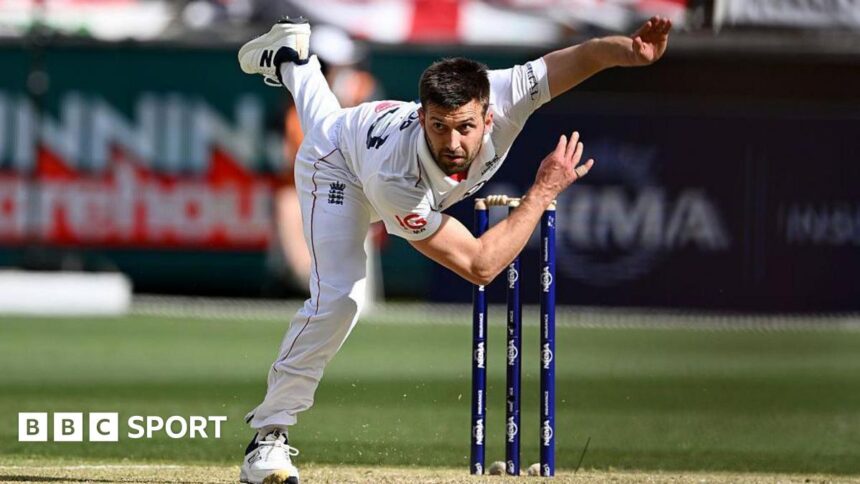
The life of an express fast bowler is measured in overs, in spells, in bursts of sheer, unadulterated pace. For England’s Mark Wood, that life has also been measured in a relentless cycle of rehabilitation rooms, surgeon’s consultations, and the agonizing wait for a body to catch up with a fiercely competitive spirit. Now 36, and fresh from another heartbreaking setback on the biggest stage, Wood has offered a rare and poignant glimpse into the mind of an athlete facing the twilight, admitting that life after cricket is now a tangible thought. His story is no longer just about speed; it’s about survival, legacy, and the daunting prospect of a second innings beyond the boundary rope.
The Ashes Agony: A Comeback Cut Devastatingly Short
Mark Wood’s return to Test cricket in the 2025-26 Ashes series was supposed to be a triumph of resilience. After 15 long months sidelined—first by a debilitating elbow injury, then by knee surgery—England’s fastest weapon was back, primed to unleash hell on Australian soil. The narrative was perfect: the saviour of the 2023 series, returning to rekindle English fire. Instead, it unfolded as a cruel testament to the fragility of a paceman’s physique.
In the first Test at Brisbane, Wood managed just 11 overs. The match itself was a historic disaster, with England crumbling to a two-day defeat. More concerning than the scoreline was the sight of Wood, his explosive action visibly restrained, probing rather than piercing. The warning signs flashed red almost immediately after. Swelling in that surgically-repaired knee forced him out of the second Test. Shortly after, the tour was over for him. The comeback lasted a mere handful of overs, a whisper of pace where a roar was promised. This wasn’t just an injury; it was a systemic failure of a body that has given everything to the cause.
A Legacy Forged in Fire and Fragility
To view Mark Wood solely through the lens of his injuries is to do a disservice to a remarkable, if intermittent, career. With 119 wickets in 39 Tests, his record speaks of potent impact rather than relentless accumulation. His average of 29.4 is respectable, but numbers barely capture his effect. Wood’s value has always been psychological as much as statistical. He is the shock therapist, the man who can change the temperature of a game in a single, searing spell.
- The 2023 Ashes Impact: His series-turning 5/34 at Headingley in 2023 showcased his game-breaking ability, bowling at consistently record-breaking speeds to drag England back into contention.
- World Cup Winner: A key component of England’s 2019 ODI World Cup triumph, his pace provided a different, threatening dimension in the middle overs.
- The Ultimate Team Man: Despite his battles, Wood’s infectious enthusiasm and team-first attitude have made him a beloved figure in the dressing room and with fans.
Yet, the fragility is an inescapable part of his tale. His body, subjected to the extreme forces of his bowling action, has broken down repeatedly. Each return has felt like a bonus, each wicket a victory against the inevitable. The recent Ashes episode, however, feels different. At 36, the recovery windows get smaller, the comebacks harder, and the long-term physical toll becomes a daily reality.
“If Recovery Doesn’t Go Well”: Confronting the Inevitable
Wood’s candid admission is what separates this moment from previous setbacks. “Life after cricket is in his thoughts if recovery from his latest injury doesn’t go well,” is the stark quote that frames his current crossroads. This is the unvarnished truth of professional sport, rarely voiced by active players. It reveals a man in the process of pragmatic, painful assessment.
What does “doesn’t go well” mean? It likely means more than just missing a few matches. It signifies a point where the balance tips—where the pain of preparation and the risk of permanent damage outweighs the joy of competition and the fading dream of one more fiery spell. Wood is effectively acknowledging that his career now hangs on the successful rehabilitation of a single knee. The mental challenge of rehabilitation is now compounded by the weight of career-defining consequence.
Experts in sports medicine point to the cumulative effect of multiple surgeries. The knee, a complex hinge joint, is critical for a fast bowler’s load-up and delivery. Repeated trauma and procedures can limit mobility, reduce power output, and increase pain. Wood is not just fighting to play cricket again; he is fighting for a quality of life beyond it.
Life After the Thunder: Predictions and Pathways
So, what comes next? The future for Mark Wood, whenever his playing days conclude, is likely to be as vibrant as his bowling.
Scenario 1: The Fitting Farewell The ideal outcome is one more controlled, triumphant chapter. A successful rehab leads to a targeted, managed return, potentially in county cricket or a franchise league, allowing him to bow out on his own terms. A final Test appearance at Chester-le-Street, his home ground, would be a storybook ending.
Scenario 2: The Pivot to Punditry and Mentorship This seems the most natural fit. Wood’s charismatic, honest, and insightful personality is tailor-made for broadcasting. His deep understanding of fast bowling, forged in adversity, would make him a invaluable analyst. Furthermore, his experience managing a body through extreme stress positions him perfectly as a specialist fast-bowling mentor within the England setup, guiding the next generation of quicks on pace, preservation, and mindset.
Scenario 3: A Complete Step Away Given the physical toll, Wood may choose to step back from the game entirely for a period, focusing on his family and long-term health. His humorous and grounded nature suggests he would handle this transition with grace, finding new passions and challenges beyond the sport.
Conclusion: The Heart of a Lion in a Glass Body
Mark Wood’s career embodies the beautiful, brutal paradox of fast bowling. He possesses the heart of a lion, an unwavering desire to compete for his country, but has been encased in a body that, for all its power, remains heartbreakingly fragile. His thoughts turning to life after cricket are not a sign of surrender, but of maturity and courageous foresight. He is staring down the barrel of his athletic mortality and planning accordingly.
Whether he bowls another ball or not, Wood’s legacy is secure. He is the fastest England has ever produced, a World Cup winner, and an Ashes hero who, in his fleeting moments of fitness, delivered some of the most electrifying passages of play in modern cricket. His greatest contribution to the game may yet be ahead of him—sharing the hard-earned wisdom from his rollercoaster journey. For now, the cricket world watches, hopes, and waits, willing that knee to heal, yearning for one more thunderous roar from a bowler who gave every last ounce of himself for the thrill of the contest.
Source: Based on news from BBC Sport.