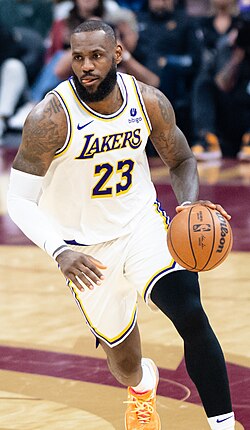
LeBron James Shuts Door on Las Vegas NBA Ownership Dream: What’s Next for the King and the League?
The vision was tantalizing: LeBron James, the global icon, transitioning from the hardwood to the owner’s suite, spearheading the arrival of the NBA’s first franchise in the glittering desert oasis of Las Vegas. It was a narrative years in the making, fueled by his own public comments and the league’s clear expansion trajectory. But in a stunning reversal, that dream has been deferred. LeBron James has stated he no longer intends to pursue an ownership stake in a potential Las Vegas expansion team, a decision that sends seismic waves through the future of the NBA’s growth plans and redefines the post-playing ambitions of its greatest active star.
The Vegas Mirage: From Open Desire to Quiet Retreat
For years, LeBron James has been the most prominent figure linked to bringing the NBA to Las Vegas. His comments were more than casual interest; they were a strategic telegraphing of intent. He frequently spoke of his love for the city, his understanding of its market potential, and his clear desire to own a team. This ambition seemed perfectly timed. NBA Commissioner Adam Silver has consistently labeled expansion as inevitable, with Las Vegas and Seattle as the frontrunning cities. LeBron, with his unparalleled wealth, connections, and business acumen, was seen as the perfect centerpiece for a Vegas syndicate.
So, what changed? While James has not provided a detailed public explanation, the shift signals a profound recalculation. The financial commitment for an expansion franchise is staggering, likely to exceed $4 billion. Even for a billionaire like James, that requires assembling a massive, complex ownership group. The logistical and financial burden of leading such a bid, especially while still playing at an elite level, may have proven overwhelming. Furthermore, the timeline for expansion remains fluid, potentially extending beyond his immediate post-career window, forcing a strategic pivot.
Decoding the Decision: Business, Timing, and Legacy
This move is not a step back for LeBron James Inc.; it’s a strategic pivot. Analyzing his decision reveals the multifaceted priorities of an athlete building a century-long legacy.
- Financial Prudence Over Prestige: Leading an expansion bid requires immense capital and decades of focus. James may see better, less risky returns by expanding his existing portfolio, which includes media production, branding, and partnership deals worth hundreds of millions.
- The Fenway Sports Group Blueprint: James is already a part-owner of the Boston Red Sox, Liverpool F.C., and the Pittsburgh Penguins through his stake in Fenway Sports Group (FSG). This passive, diversified ownership model offers influence and profit without the day-to-day operational headaches of being a controlling owner. It may be his preferred path.
- Focus on the Final Act: At 39, James is defying time, but his playing career is in its final chapters. Chasing a championship with the Lakers and potentially playing with his son, Bronny, demands his full athletic focus. A distracting, multi-year ownership bid conflicts with that goal.
- Control is Key: LeBron James has built his career on autonomy. Being the face of an expansion bid doesn’t guarantee the level of control he would want. He may be waiting for an opportunity to acquire a controlling interest in an existing franchise—a more direct, if challenging, path to true ownership power.
Las Vegas Without Its King: What Happens to NBA Expansion?
LeBron’s withdrawal is a blow to Las Vegas’s immediate expansion narrative, but it is far from a knockout punch. The city’s viability does not hinge on one individual. The success of the NHL’s Golden Knights and the NFL’s Raiders has proven Las Vegas is a major league city. The NBA will still come; the “when” and “with whom” are now the questions.
The ownership landscape shifts. Potential groups led by casino magnates, private equity, or other celebrity consortiums (perhaps involving figures like Floyd Mayweather or local business leaders) may now take the lead. The league may also prefer a more traditional, finance-first ownership structure for its inaugural Vegas team. However, the allure of a star-driven ownership group remains. Could a figure like Shaquille O’Neal, already a minority owner in Sacramento, or a music industry titan like Jay-Z, step into that void? The game of musical chairs for Vegas ownership just became more intriguing.
The Future of LeBron: Ownership Avenues and the Next Chapter
LeBron James has not abandoned ownership dreams; he has likely just changed the address. His statement closes the door on Vegas expansion, not on owning an NBA team. Several compelling paths remain for “The King” to claim a throne in the boardroom.
The most speculated avenue is the purchase of an existing franchise. Teams like the Phoenix Suns (recently sold) and the Dallas Mavericks (with Mark Cuban’s sale) have shown elite franchises are available. A future opportunity to buy a team like the Atlanta Hawks or Charlotte Hornets could present the controlling stake he desires. Furthermore, his relationship with FSG is critical. Could FSG, with James as a key partner, make a run at an NBA team? This collective-power approach aligns with his current investments and spreads risk.
Ultimately, LeBron’s legacy is one of empowerment and ownership—of his career, his brand, and his message. His retreat from the Vegas bid is a powerful business lesson: even for the greats, not every glittering opportunity is gold. It reflects a mature understanding of his capital, his time, and his ultimate goals.
Conclusion: A Strategic Pass, Not a Final Whistle
LeBron James’s decision to step away from a Las Vegas NBA expansion bid is a defining moment in his evolution from athlete to empire builder. It underscores that his post-career moves will be calculated, strategic, and on his own terms. For Las Vegas, the dream of an NBA team remains alive and well, but it will now need a new public face. For the NBA, expansion continues its steady march, albeit with a reshuffled deck of potential owners.
Most importantly, for LeBron, this is not an end but a redirection. By saying “no” to the siren call of Vegas, he preserves his resources, maintains his focus on his final playing acts, and keeps his options open for a more suitable ownership prize down the road. The king may have passed on one kingdom, but he is clearly still surveying his empire, waiting for the right moment to claim a crown that fits just right. The game, both on and off the court, continues.
Source: Based on news from ESPN.
Image: CC licensed via commons.wikimedia.org