Record Numbers in England: The Physical Activity Revolution is Here to Stay
There is a seismic shift happening across the landscape of English health and fitness. For the first time in recorded history, the nation is moving more than ever before. New data released by grassroots funding agency Sport England has confirmed that a record number of adults are now meeting the recommended guidelines for physical activity. This isn’t just a blip on the radar; it represents a fundamental change in how we view exercise, moving from a chore to a lifestyle priority.
The latest Active Lives Adult Survey, covering the period from November 2024 to November 2025, reveals that 64.4% of adults are now clocking at least 150 minutes of moderate-intensity physical activity per week. That is the highest figure ever recorded by the agency. With an estimated increase of 859,000 adults compared to the previous year, the data paints a picture of a nation that is finally taking its physical health seriously—and reaping the benefits.
But what is driving this surge? The numbers tell a story of personalisation and convenience. The days of the “one-size-fits-all” approach to sport are over. We are witnessing the golden age of the individual workout, the running club, and the gym floor. As a sports journalist who has watched these trends evolve for over a decade, I can confirm this is not a flash in the pan. This is the new normal.
Why the Gym and the Pavement are Winning the Battle
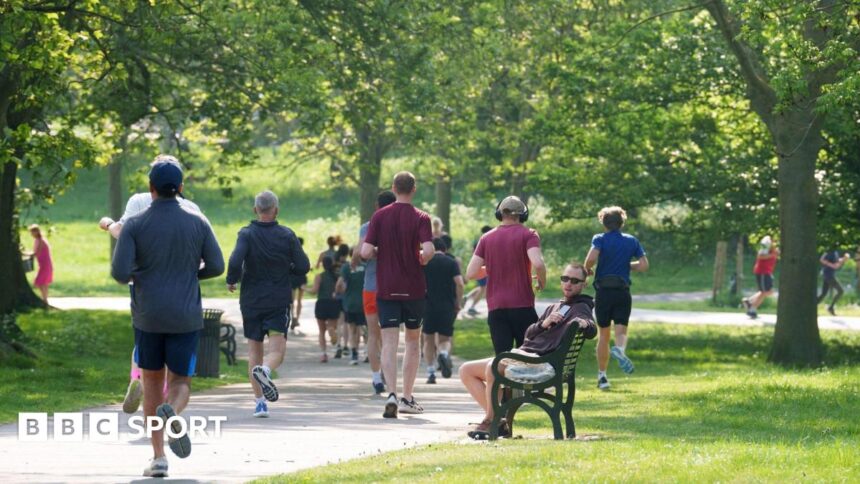
The headline news from the Sport England report is the explosive growth in two key areas: running and gym and fitness activities. These sectors are not just growing; they are booming. The data indicates that a significant portion of the 859,000 new active adults are finding their rhythm on the treadmill, in the weight room, or on the local parkrun route.
There are several factors at play here. First, the post-pandemic mindset has permanently shifted. Millions of people discovered the mental health benefits of a simple run or a home workout during lockdowns. They have carried that habit forward. Second, the fitness industry has responded with incredible agility. Boutique studios, 24-hour gyms, and app-based coaching have made it easier than ever to get a workout that fits your schedule, not the other way around.
- Running: The rise of community-based running clubs, often free and social, has democratised the sport. It is no longer about elite marathons; it is about the 5km social jog.
- Gym Culture: The gym is no longer a place for bodybuilders. It is a wellness hub. From yoga to HIIT to strength training, the variety appeals to a broader demographic, particularly women and older adults.
- Flexibility: Unlike team sports, you can run or hit the gym at 6 AM or 10 PM. This flexibility is crucial for busy working adults.
This trend shows no signs of slowing down. I predict that in the next two years, we will see gym membership numbers surpass pre-pandemic peaks by over 15%, driven by the continued integration of wearable tech and AI-driven personal training programs that keep users engaged and accountable.
Team Sports: The Comeback is Real
While individual pursuits are stealing the headlines, the data offers a glimmer of hope for traditionalists. Team sports are almost back to the levels seen nine years ago. After a brutal period of declining participation and the disruption of the pandemic, football, rugby, hockey, and netball are staging a significant recovery. This is a vital sign for the social fabric of the nation.
Why the resurgence? The answer lies in a new focus on inclusivity and accessibility. Grassroots clubs have learned to adapt. We are seeing a rise in “walking football” for older adults, “touch rugby” for casual players, and mixed-gender leagues that lower the barrier to entry. Sport England’s funding has been instrumental here, channelling money into facilities and coaching that prioritise fun over fierce competition.
The stabilisation of swimming numbers is another critical takeaway. For years, swimming participation was in steady decline due to pool closures and rising costs. The fact that numbers have now stabilised suggests that investment in leisure centres and learn-to-swim programs is beginning to pay off. However, this remains a fragile recovery. Local authorities must continue to subsidise pool access, or this progress will stall.
My expert analysis suggests that team sports will never again dominate the participation landscape as they did in the 1980s and 1990s. However, they are carving out a new, healthier niche. The future of team sports is not about elite competition for the few; it is about social connection for the many. I predict we will see a 5% annual growth in casual, non-competitive league formats over the next three years.
The 150-Minute Milestone: What it Really Means for Public Health
Hitting the 64.4% threshold is a massive public health victory. The Chief Medical Officer’s guidelines of 150 minutes of moderate activity per week is the gold standard for reducing the risk of heart disease, stroke, type 2 diabetes, and depression. To have nearly two-thirds of the adult population hitting this target represents a potential saving of billions of pounds for the NHS in the long term.
However, we must not get carried away with the headline number. The data also reveals a persistent inequality. While the national average is at a record high, activity levels remain significantly lower in deprived areas and among certain ethnic minority groups. The “activity gap” between the richest and poorest in society is still stubbornly wide. Sport England acknowledges this, and their future strategy must focus laser-like on these underserved communities.
Key takeaways from the data:
- Record high: 64.4% of adults are active (up from approximately 63% the previous year).
- 859,000 new active adults: A staggering increase in one year.
- Gender gap narrowing: Women’s participation is rising faster than men’s, driven by gym and running trends.
- Older adults leading the charge: The over-55 demographic shows the highest relative growth in activity.
For the average person, this means a healthier, happier population. For the sports industry, it signals a massive market opportunity. We are moving toward a world where physical activity is as routine as brushing your teeth. The challenge now is to ensure that the remaining 35.6% of inactive adults are not left behind.
What Comes Next? Predictions for the Next Decade
Looking ahead, the trajectory is clear. The record numbers we see today are just the beginning. The integration of technology will accelerate this trend. We are moving into an era of “hybrid fitness” where the line between digital coaching and physical gym attendance blurs completely. Imagine a future where your smartwatch detects a dip in your mood and automatically books you into a local running group or suggests a 10-minute HIIT session.
Furthermore, the “gymification” of the home is not going away. People who started exercising at home during the pandemic are now supplementing that with occasional gym visits or outdoor runs. The data suggests the future is not about choosing one or the other; it is about having multiple tools in the fitness toolbox.
I also predict a massive boom in adventure and outdoor sports. As running and gym numbers peak, the next frontier will be trail running, open-water swimming, and cycling. The desire to combine physical exertion with nature and mental escape will drive the next wave of growth. Sport England’s future funding rounds will likely pivot heavily toward green space access and outdoor infrastructure.
Finally, the role of the workplace will become central. With 64.4% of adults active, employers will face increasing pressure to support the remaining inactive workforce. Corporate wellness programs, subsidised gym memberships, and “active commute” incentives will become standard, not exceptional. The workplace is the new frontier for Sport England’s outreach.
Conclusion: A Nation in Motion
The evidence is irrefutable: England is moving more than it ever has. The record 64.4% of adults hitting the 150-minute target is a testament to the resilience of the human spirit and the effectiveness of grassroots investment. The rise of running and gym culture, the steady return of team sports, and the stabilisation of swimming all point to a healthier, more active society.
But as any good sports journalist will tell you, records are meant to be broken. The true measure of success will be whether we can sustain this momentum and, crucially, bring the inactive minority along for the ride. The infrastructure is in place, the appetite is there, and the data is clear. The physical activity revolution in England is not just happening—it is thriving. The next chapter depends on ensuring that this record is not the ceiling, but the floor from which we launch an even healthier future.
Source: Based on news from BBC Sport.