The Sauce Gardner Trade: How the Colts’ Collapse Reshaped the 2026 NFL Draft
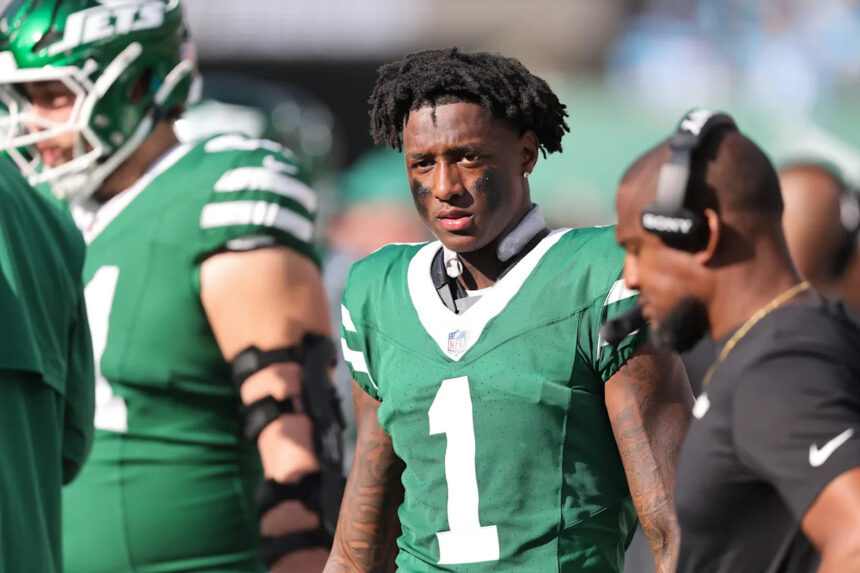
The 2026 NFL Draft weekend has finally arrived, and with it comes the culmination of countless hours of scouting, board-building, and backroom negotiations. While the focus is naturally on the fresh crop of prospects walking across the stage in Green Bay, the real story for two franchises—the New York Jets and the Indianapolis Colts—isn’t just about who they pick tonight. It’s about a trade that sent shockwaves through the league five months ago: the blockbuster deal that moved All-Pro cornerback Sauce Gardner to Indianapolis.
When the Colts pulled the trigger in November 2025, they were 7-2 and dreaming of a deep playoff run. They believed they were acquiring the final piece of a defensive puzzle. Instead, they stumbled into a catastrophic collapse, losing their last seven games to finish 8-9. That collapse has now turned the Sauce Gardner trade into one of the most fascinating, high-stakes accounting exercises in recent draft history. Let’s track exactly how the chips fell, what the Jets did with their haul, and what it all means for the future of both organizations.
The Original Deal: A Win-Win That Became a Nightmare for One Side
Let’s refresh the record. The trade, executed on November 4, 2025, was a massive swing by Colts General Manager Chris Ballard. The terms were stark and aggressive:
- Colts receive: CB Sauce Gardner
- Jets receive: WR Adonai Mitchell, 2026 first-round pick, 2027 first-round pick
At the time, the logic for Indianapolis was sound. They had a young, ascending defense under defensive coordinator Gus Bradley, but they lacked a true shutdown corner to neutralize elite AFC wide receivers like Tyreek Hill and Ja’Marr Chase. Gardner, a two-time First-Team All-Pro with the Jets, was exactly that. The cost was steep—two future first-rounders and a promising rookie wideout—but if the Colts made a Super Bowl run, those picks would be in the late 20s. It was a classic “all-in” move.
For the New York Jets, it was a painful admission that their rebuild had stalled. Gardner was the face of the defense, but the offense—plagued by quarterback instability and a porous offensive line—had wasted his prime years. General Manager Joe Douglas decided to pivot, cashing in on Gardner’s peak value to restock the cupboard. Getting a young, cost-controlled receiver in Adonai Mitchell (a 2024 second-round pick) plus two future firsts was a masterclass in asset management. It was a bet on the future, not the present.
The Colts’ Collapse: How a 7-2 Start Became the No. 16 Pick
This is where the narrative gets brutal for Indianapolis. The Colts were 7-2. They had just beaten the Houston Texans on a Thursday night, and Gardner had an interception. The defense looked elite. The schedule was soft. The 2026 first-round pick they owed the Jets was projected to be around pick No. 28 or 29.
Then, the wheels fell off. Quarterback Anthony Richardson suffered a season-ending shoulder injury in Week 11. Backup Joe Flacco couldn’t replicate the magic. The running game stalled. The defense, now built around Gardner, started leaking yards because the offense couldn’t sustain drives. One loss became two. Two became five. The Colts lost every single game after the trade deadline, finishing 8-9 and missing the playoffs entirely.
The result? That “late first-round pick” the Jets were expecting turned into the No. 16 overall selection in the 2026 NFL Draft. That is a seismic shift in value. A pick in the late 20s is worth roughly 600 points on the standard draft value chart. The No. 16 pick is worth over 1,000 points. The Colts’ collapse essentially gifted the Jets an extra mid-first-round pick in value—a difference that could be the gap between a rotational player and a franchise cornerstone.
What the Jets Did with Their Draft Haul: Turning Pain into Potential
So, how did the New York Jets weaponize this newfound draft capital? They entered the 2026 draft with two first-round picks: their own (No. 7 overall) and the Colts’ pick (No. 16 overall). They also had the 2027 first-round pick from Indianapolis still in the bank.
Here is the expert analysis of the Jets’ draft night strategy:
Pick No. 7: The Franchise QB
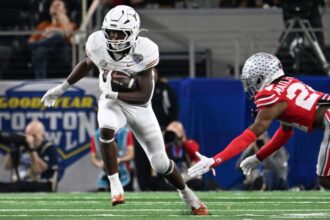
The Jets used their natural pick on Quinn Ewers, QB, Texas. After years of failed experiments with Aaron Rodgers, Zach Wilson, and Sam Darnold, the Jets finally committed to a young, dynamic arm. Ewers has the arm talent and mobility to thrive in a modern offense. He will be protected by a revamped offensive line and will throw to Garrett Wilson and Adonai Mitchell—the receiver they got in the Gardner trade. This is the direct payoff: Gardner’s departure allowed them to secure a quarterback of the future.
Pick No. 16: The Cornerback Replacement
In a twist of irony, the Jets used the Colts’ pick to select Will Johnson, CB, Michigan. Johnson is a big, physical press-man corner who many scouts compare to a younger Sauce Gardner. By using the pick acquired for Gardner to draft his replacement, the Jets have effectively recycled the position while adding a quarterback and a future first-round pick to the organization. It’s a stunning example of asset arbitrage.
The 2027 First-Round Pick
This is the wild card. The Colts are now projected to be in a transitional phase. They have an aging offensive line, a question mark at quarterback, and a defense that is expensive (Gardner’s new contract kicks in fully in 2027). The Jets are holding that 2027 first-rounder like a lottery ticket. If the Colts stumble again, that pick could be in the top 10. The Jets are not done benefiting from this trade.
Expert Analysis: Who Won the Trade So Far?
To evaluate the Sauce Gardner trade in the context of the 2026 Draft, we have to separate emotion from economics. On paper, the Jets have won this trade decisively. Here’s the breakdown:
What the Jets have now that they didn’t before:
- A starting quarterback (Quinn Ewers)
- A starting cornerback (Will Johnson)
- A starting wide receiver (Adonai Mitchell, already on the roster)
- An additional 2027 first-round pick
What the Colts have now:
- Sauce Gardner (elite player, but on a massive $25M+ annual extension)
- No first-round pick in 2026
- A roster that is older and more expensive
The Colts paid the price for a win-now move that didn’t win. They gave up two first-round picks and a receiver for a cornerback who, while excellent, cannot single-handedly fix a broken offense. The Jets, conversely, turned one elite player into a multi-year rebuild package. The No. 16 pick being the centerpiece of that package is a direct result of the Colts’ late-season collapse.
Prediction for the Future: The Colts will be under immense pressure in 2026. If they don’t make the playoffs, that 2027 pick will become a top-15 selection. The Jets, meanwhile, have a young quarterback on a rookie deal, a cheap cornerback, and a future first-rounder. This trade has the potential to define the AFC for half a decade. The Colts bet on a Super Bowl window that slammed shut. The Jets bet on the draft, and the 2026 NFL Draft just proved them right.
Conclusion: The Draft as a Scoreboard
The 2026 NFL Draft weekend is more than just a celebration of new talent. It is the final accounting for trades made in desperation and hope. The Sauce Gardner trade will be studied in front offices for years as a cautionary tale about the volatility of “win-now” moves. The Colts thought they were buying a championship. Instead, they handed the Jets a quarterback, a cornerback, and a future lottery ticket.
As the rookies put on their hats tonight, remember this: the No. 16 overall pick that the Jets just used on Will Johnson was originally a late-round throw-in for a Super Bowl run. That run never happened. The draft never lies. It simply records the score. And right now, the New York Jets are winning this trade by a wide margin.
Source: Based on news from Yahoo Sports.