The Best FIFA Football Awards: A Complete Guide to Soccer’s Top Honors
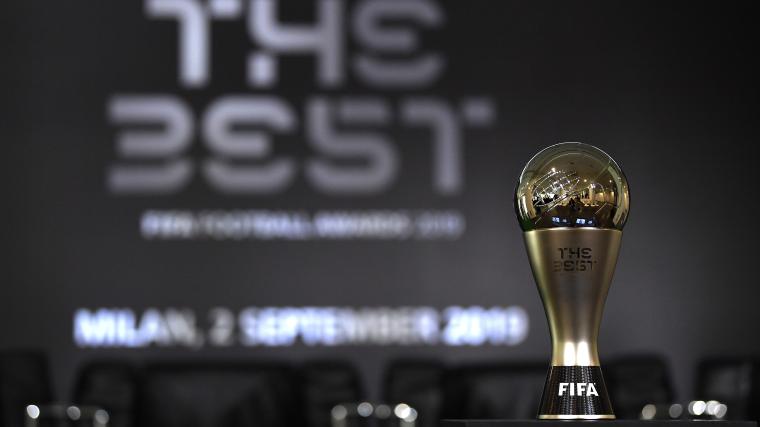
Every December, the global football world turns its gaze to a glittering ceremony where the sport’s elite gather. The Best FIFA Football Awards represent the pinnacle of individual and managerial recognition, a night where the year’s most breathtaking goals, most commanding goalkeeping, and most influential performances are enshrined in history. More than just a trophy haul, the event is a celebration of the beautiful game’s global impact, putting superstars like Lionel Messi, Cristiano Ronaldo, and a new generation of icons in the spotlight for their annual excellence. But what exactly are these prestigious awards, how did they come to be, and crucially, who gets to decide the winners? This definitive guide breaks down the history, the process, and the magic behind football’s most coveted individual honors.
The Birth of “The Best”: A New Chapter in Football History
While the concept of a world player of the year award feels timeless, The Best FIFA Football Awards are a relatively new phenomenon in the sport’s long history. Their story begins in 1991 with the creation of the FIFA World Player of the Year, an award designed to crown the planet’s top male and female footballers. For two decades, this was the gold standard, with legends like Zinedine Zidane, Ronaldo Nazário, and Mia Hamm etching their names onto the trophy.
However, from 2010 to 2015, FIFA entered into a merger with France Football, temporarily uniting its award with the legendary Ballon d’Or to create the FIFA Ballon d’Or. This period created iconic moments but also debate over the criteria. In 2016, the paths diverged. FIFA re-launched its own standalone ceremony under the new banner “The Best,” reclaiming its role as the governing body’s definitive celebration of annual achievement. This move established a clear, modern rival to the Ballon d’Or, with a distinct voting system and an expanded slate of categories that reflect the modern game.
Decoding the Voting Process: Who Chooses the Winners?
The legitimacy and prestige of The Best FIFA Awards hinge on its meticulously structured voting process. Unlike awards decided solely by journalists or coaches, FIFA employs a weighted, four-pillar voting system designed to incorporate voices from across the football ecosystem. Understanding this process is key to understanding the results.
- National Team Coaches (25%): The head coach of every FIFA-affiliated men’s and women’s national team gets a vote, valuing the perspective of those who strategize at the highest level.
- National Team Captains (25%): The captain of each national team also casts a ballot, offering the view from within the locker room and the pitch.
- Selected Media Representatives (25%): One journalist from each territory, chosen by FIFA, provides a media perspective from every corner of the globe.
- Online Public Vote (25%): Perhaps the most engaging element, fans worldwide can vote on FIFA’s digital platforms, giving the global supporter base a direct say in the outcome.
Voters submit a three-player shortlist, with points awarded for first, second, and third-place choices. This system ensures a broad consensus and often leads to tightly contested races that captivate the football world. The transparency of publishing the detailed voting breakdowns adds a layer of intrigue and accountability unmatched in sports awards.
The Trophy Cabinet: Categories and Iconic Winners
The Best FIFA Awards ceremony showcases a range of honors, each telling a story of the past season. The premier categories are, of course, The Best FIFA Men’s Player and The Best FIFA Women’s Player. Since the award’s 2016 reboot, the men’s trophy has been dominated by the eternal rivalry-turned-duopoly of Lionel Messi and Cristiano Ronaldo, though Robert Lewandowski’s back-to-back wins in 2020 and 2021 broke the streak. On the women’s side, stars like Megan Rapinoe, Alex Morgan, and Lucy Bronze have claimed the top honor, highlighting the explosive growth of the women’s game.
But the night celebrates more than just outfield players. Key categories include:
- The Best FIFA Goalkeeper: Recognizing the last line of defense, with keepers like Thibaut Courtois and Christiane Endler earning global acclaim.
- The Best FIFA Coach: Tactical masterminds like Jürgen Klopp, Emma Hayes, and Carlo Ancelotti have been honored for their sideline brilliance.
- The FIFA Puskás Award: Awarded for the most aesthetically beautiful goal of the year, this fan-favorite category celebrates sheer technical audacity and wonder.
- The FIFA Fair Play Award: Acknowledging acts of sportsmanship that embody the spirit of the game.
- The FIFA Fan Award: Celebrating the most memorable fan moment or gesture, a nod to football’s passionate heart.
Analysis and Future Predictions: The Evolving Landscape
From an expert perspective, The Best FIFA Awards have successfully carved out a unique identity. Their voting college, which heavily weights the opinions of fellow professionals (coaches and captains), often yields different results than the journalist-focused Ballon d’Or. This can lead to fascinating debates about what truly defines “the best”—is it seasonal trophy haul, statistical dominance, or peer respect? The inclusion of the fan vote also democratizes the process, though it can sometimes skew towards global popularity.
Looking ahead, the awards face an evolving landscape. The continued rise of women’s football promises even more competitive and spotlighted races for the women’s categories. Furthermore, the gradual transition from the Messi-Ronaldo era opens the door for a new generation of winners. Young superstars like Erling Haaland, Kylian Mbappé, and Aitana Bonmatí are not just contenders; they are the future faces of the ceremony. We can also anticipate potential new categories, perhaps recognizing emerging positions or contributions to football technology and inclusivity.
One prediction is certain: the criteria will remain under intense scrutiny. As club and international calendars become more congested, defining the “annual performance” period will be crucial. Will a stellar World Cup performance outweigh a dominant club season? The voting system, for all its complexity, is designed to balance these very questions.
The Final Whistle: More Than Just Trophies
The Best FIFA Football Awards are more than a glamorous red-carpet event. They are a yearly audit of footballing excellence, a historical record written by the game’s own participants and fans. They capture moments of individual brilliance that define seasons, from a goalkeeper’s heroic saves to a striker’s gravity-defying bicycle kick. While debates over winners and snubs will rage eternally in pubs and on social media, that discourse is a testament to the award’s significance. It means people care. As the game grows and changes, so too will these honors, forever seeking to answer that simple, compelling question: Who was truly the best?
For the latest in-depth analysis, breaking news, and coverage of The Best FIFA Awards and all things football, The Sporting News remains a premier destination for fans worldwide.
Source: Based on news from Yahoo Sports.