From Olympic Glory to Alleged Kingpin: The Stunning Fall and Capture of Ryan Wedding
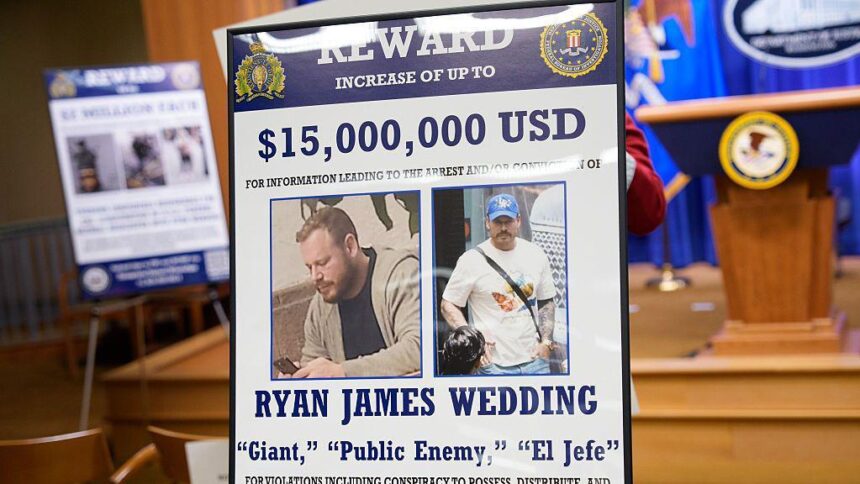
The world knew Ryan Wedding as an athlete who soared. A Canadian snowboarder who competed on the sport’s grandest stage, the Winter Olympics, representing the pinnacle of dedication and national pride. Today, authorities present a starkly different image: a fugitive, an alleged transnational drug lord, and a wanted murder suspect, finally apprehended after years evading a global manhunt. The arrest of Ryan Wedding in Mexico, announced jointly by FBI Director Kash Patel and RCMP Commissioner Mike Duheme, is not merely the end of a chase. It is a chilling narrative of a dramatic fall from grace, a case study in modern transnational crime, and a testament to the relentless, collaborative pursuit of justice.
A Descent from the Pinnacle: Athlete to Alleged Kingpin
Ryan Wedding’s story begins with the familiar trappings of athletic ambition. Competing for Canada in snowboarding, he knew the pressure of international competition and the discipline required to reach the elite level. This same drive, investigators allege, was later channeled into a far darker enterprise. According to U.S. indictments, Wedding transitioned from navigating halfpipes to allegedly orchestrating a sophisticated drug trafficking network capable of moving tonnes of cocaine across international borders. The skills of logistics, risk assessment, and operating under pressure—honed in sport—are tragically repurposed in the criminal underworld.
His status as a former Canadian Olympic snowboarder provided a powerful facade, one that authorities believe he used to his advantage. “The profile of a respected athlete can open doors and create layers of insulation,” notes a former federal prosecutor specializing in transnational crime, who spoke on condition of anonymity. “It builds a narrative that is at odds with the allegations, making it harder for initial suspicion to take root.” The charges, however, are severe and extensive, painting a picture of a central figure in a major trafficking operation, ultimately leading to his placement on the FBI’s Ten Most Wanted Fugitives list—a roster reserved for the most dangerous and elusive fugitives.
The International Manhunt: Sanctuary and Capture in Mexico
For years, Wedding vanished from the grid, becoming a ghost in the law enforcement system. U.S. officials publicly stated their belief that he was living in Mexico under the Sinaloa drug cartel’s protection. This detail is critical, underscoring the fluid and cooperative nature of global criminal syndicates. An ex-athlete with Canadian and American ties allegedly finding sanctuary with one of the world’s most infamous cartels illustrates the borderless reality of modern organized crime.
The breakthrough, leading to his arrest on Mexican soil, was the result of persistent, multinational cooperation. The public appearance of FBI Director Patel alongside RCMP Commissioner Mike Duheme was a powerful symbolic gesture. Duheme’s statement, “No single agency or nation can combat transnational organised crime alone,” was more than a platitude; it was an operational blueprint. The investigation likely involved:
- Intelligence sharing between the FBI, RCMP, and Mexican authorities.
- Financial forensic tracking of the drug operation’s proceeds.
- Cyber surveillance and communication intercepts.
- Coordination with the U.S. Department of Justice’s Office of International Affairs to secure extradition.
This collaborative model was essential in piercing the protective shield a major cartel could provide.
Legal Reckoning and Broader Implications
Ryan Wedding now faces a daunting legal battle. His extradition to the United States will see him answer to a litany of charges, with the most serious being drug trafficking conspiracy and murder. The murder charges, though details remain under seal, suggest the alleged violence inherent in maintaining a high-stakes trafficking empire. The contrast between the Olympic stage and a U.S. federal courtroom could not be more pronounced.
This case also sets several significant precedents and raises pressing questions for the future of international law enforcement:
- Celebrity and Criminal Insulation: How do public figures exploit their status for criminal ends, and how can investigators counteract this?
- Cartel Alliances: The alleged Sinaloa protection indicates a trend of cartels forming strategic alliances with foreign nationals to expand logistics and laundering networks.
- Extradition as a Key Tool: The successful pressure to secure Wedding’s removal from Mexico reinforces extradition as a critical weapon, signaling to fugitives that few sanctuaries are permanent.
“Wedding’s capture is a major victory, but it’s also a data point,” analyzes security consultant and former DEA agent, Carla Mendez. “It shows the hybrid nature of these organizations. They are talent scouts, in a perverse sense, recruiting individuals with specific skills—like logistics, networking, or in this case, a clean public profile—to strengthen their operations. The fight is as much about following the money and the networks as it is about capturing individuals.”
Conclusion: The Final Run
The saga of Ryan Wedding is a 21st-century parable of lost promise and profound alleged criminality. It demonstrates that the pathways between legitimacy and infamy can be shockingly short, and that the attributes which create a champion can be catastrophically inverted. His arrest closes a major chapter for the agencies that pursued him, validating the model of patient, unified international action.
As he awaits extradition and prosecution, the world is left to reconcile two incompatible images: the athlete who wore the Maple Leaf and the man who allegedly built an empire on addiction and violence. His final run is no longer down a snow-covered mountain, but through the unforgiving terrain of the U.S. justice system. For law enforcement, the message is clear: collaboration breaks down walls, even those built by cartels. For the public, it is a sobering reminder that the faces of transnational crime are often not what we expect, hiding in the plain sight of our past heroes. The podium is gone; the defendant’s table now awaits.
Source: Based on news from Yahoo Sports.