Smotherman’s Collapse at UFC 324 Weigh-In: A Stark Reminder of MMA’s Brutal Weight-Cutting Reality
The high-stakes tension of a UFC weigh-in is a unique theater. It’s the final, grueling hurdle before combatants can finally step into the octagon. For American bantamweight Cameron Smotherman, that hurdle proved too much to clear. In a distressing scene at the T-Mobile Arena on Friday morning, Smotherman collapsed face-first on the stage moments after successfully making weight for UFC 324, forcing the cancellation of his fight and igniting urgent conversations about athlete safety and the sport’s most dangerous pre-fight ritual.
The Disturbing Sequence: From Success to Sudden Collapse
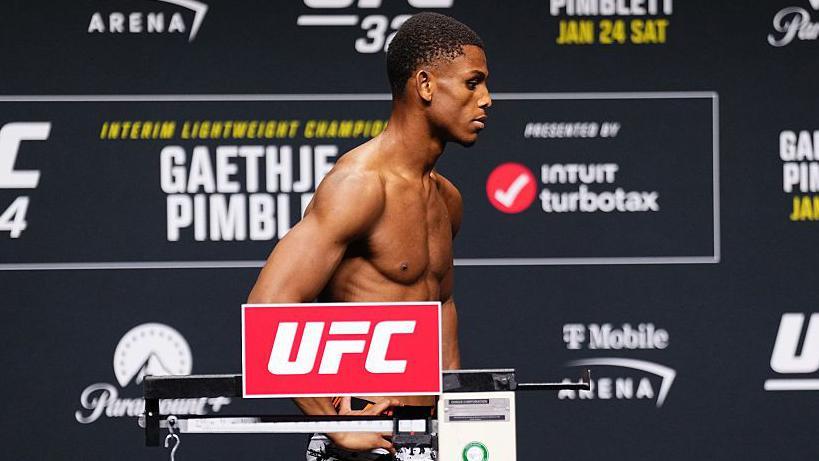
The incident unfolded with alarming speed. Smotherman, 28, stepped onto the scales looking visibly unsteady, a common but never comforting sight in the MMA world. The scale flashed 135.5 pounds, a perfect half-pound under the bantamweight non-title limit. The official nodded; he was cleared to fight Ricky Turcios. But as Smotherman moved to the side of the stage, his body gave out. He fainted, falling forward and hitting the stage floor before he could break his fall.
The reaction was immediate. UFC officials and medical personnel rushed to his side. After a few tense moments, Smotherman regained consciousness. He was attended to by the on-site doctor, assessed, and ultimately carried off the stage—a stark contrast to the triumphant flexing that typically follows a successful weigh-in. The UFC later announced the official cancellation of his preliminary card bout, a devastating blow for both athletes after a arduous training camp.
Expert Analysis: The Physiology of a Dangerous Cut
To the uninitiated, Smotherman’s collapse might seem sudden. To those inside the sport, it’s the predictable culmination of an extreme process. Weight cutting in MMA is a science of deprivation, where fighters dehydrate their bodies to dangerous levels to gain a size advantage on fight night. Bantamweights, like Smotherman, often walk 15-20 pounds heavier than their fighting weight, meaning they must shed a significant percentage of their body mass in the final days.
“What you’re seeing is severe dehydration impacting the body’s most basic systems,” explains Dr. Maria Rodriguez, a sports physiologist who has worked with combat athletes. “The body’s blood volume plummets, blood pressure drops, and the heart has to work exponentially harder. When a fighter stands up after weighing in, that remaining blood can pool in the legs, leading to a lack of cerebral perfusion—simply put, not enough blood gets to the brain, and it shuts down.”
This process involves:
- Severe water loading and restriction: Manipulating water intake to trick the body into flushing fluids.
- Sauna and hot bath sessions: Often in neoprene suits to sweat out every last ounce.
- Depletion of electrolytes: Critical minerals for nerve and muscle function are flushed away with the water weight.
The goal is to step on the scale at the absolute limit, but the margin for error is virtually zero. Smotherman’s collapse after making weight is a textbook example of hitting that limit catastrophically.
The Ripple Effect: Cancelled Fights and Career Implications
The immediate casualty of this incident is the fight itself. For Ricky Turcios, a fellow contender, this represents a significant financial and professional setback. Fighters are typically paid their show money when they make weight, but the potential win bonus and performance-based incentives vanish. More critically, a cancelled fight halts career momentum in a division where activity is key to climbing the ranks.
For Cameron Smotherman, the implications are more severe. Beyond the physical trauma, a public collapse like this can trigger increased scrutiny from UFC and athletic commission doctors. He may be required to undergo more rigorous medical testing or be mandated to move up a weight class. His next UFC weigh-in will be under a microscope, and the psychological hurdle of cutting weight again will be immense. The UFC’s priority now is his health, but the path back to the octagon just became considerably more complicated.
Predictions and Calls for Change: Is a Crisis Point Approaching?
This is not an isolated incident. Similar scenes have played out across MMA for years. However, each public collapse increases the volume of calls for systemic reform. We predict the following developments in the wake of Smotherman’s collapse:
- Increased use of early weigh-ins: The UFC already employs morning weigh-ins to allow more rehydration time. This may be moved even earlier.
- Stricter hydration testing: More athletic commissions may adopt urine-specific gravity or blood tests to ensure fighters are not dangerously dehydrated when they step on the scale.
- Potential for same-day weigh-ins: The most radical solution, long debated, would eliminate the prolonged dehydration window but could lead to other safety issues if implemented poorly.
- Cultural shift towards fighting at natural weight: As seen with champions like Israel Adesanya, success is possible without drastic cuts. This may be the slowest, but most important, change.
The UFC and state athletic commissions walk a fine line between regulation and preserving a fighter’s right to compete at their chosen weight. Smotherman’s collapse is a powerful argument that the current system may be failing its athletes.
Conclusion: A Wake-Up Call Written on the Canvas
Cameron Smotherman’s frightening collapse at the UFC 324 weigh-in is more than a viral clip or a last-minute fight cancellation. It is a human body screaming in protest, a physical manifesto against a practice that has become normalized in the pursuit of an edge. The image of a warrior laid low not by an opponent’s strike, but by the scale, should haunt the sport.
While the UFC officials’ quick response was commendable, true progress requires preventing these incidents from happening at all. The health of fighters like Smotherman must become the non-negotiable centerpiece of pre-fight protocol. As the sport continues its march toward global mainstream acceptance, the most important victory it can secure is over its own most dangerous tradition. The hope is that Smotherman makes a full recovery, and that his fall serves as the catalyst for a safer, smarter future for every athlete who dares to step on those scales.
Source: Based on news from Yahoo Sports.