Aryna Sabalenka and Coco Gauff Lead Calls for Grand Slam Boycott: Is the Tennis Revolution Finally Here?
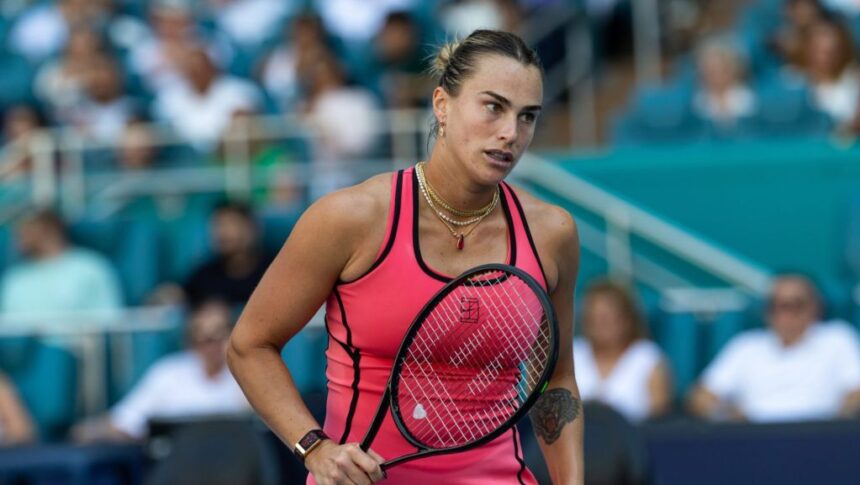
The tennis world is bracing for what could be the most significant labor dispute in the sport’s modern history. World No. 1 Aryna Sabalenka has dropped a bombshell, openly threatening a potential boycott of Grand Slam tournaments if players continue to feel financially shortchanged. Speaking at the Italian Open in Rome, the reigning Australian Open champion did not mince words, declaring that a coordinated walkout might be the “only way to fight for our rights.”
- The Bombshell Statements: What Sabalenka, Gauff, and Rybakina Actually Said
- The Core Issue: Why Prize Money at Grand Slams Is Under Fire
- Expert Analysis: Is a Boycott Realistic or a Bluff?
- The Ripple Effect: What a Boycott Means for Tennis and Its Fans
- Strong Conclusion: The Clock Is Ticking on Grand Slam Leadership
Sabalenka’s explosive comments come on the heels of a collective letter sent by a group of top ATP and WTA players over the weekend. That letter expressed “deep disappointment” in the French Open’s prize money distribution, arguing that the payouts fail to reflect the tournament’s soaring projected revenue. Now, with Coco Gauff and Elena Rybakina—the defending champions of the French and Australian Opens, respectively—throwing their weight behind the idea, the sport is staring down a potential mutiny at its most prestigious events.
This is not just a whisper in the locker room. This is a rallying cry. And if the momentum continues, the 2025 Grand Slam season could look very different.
The Bombshell Statements: What Sabalenka, Gauff, and Rybakina Actually Said
The tension has been simmering for years, but it reached a boiling point in Rome. Sabalenka, the current world No. 1, was direct and unflinching when asked about the growing dissatisfaction among players regarding prize money.
“Without us there wouldn’t be a tournament and there wouldn’t be that entertainment,” Sabalenka said Tuesday. “I think at some point we will boycott it. I feel like that’s going to be the only way to fight for our rights.”
She didn’t stop there. The Belarusian star emphasized that the women’s tour is more united than ever. “I feel like nowadays, we girls can easily get together and go for this because of some of the things I feel like it’s really unfair to the players. I think at some point it’s going to get to this.”
Her words were immediately echoed by Coco Gauff, the reigning US Open champion and a vocal advocate for player rights. Gauff, who has often spoken about the financial disparities in the sport, signaled her full support. Meanwhile, Elena Rybakina, the cool-headed Wimbledon and Australian Open champion, also backed the sentiment, adding a layer of heavyweight credibility to the movement.
This is not a fringe rebellion. This is a coalition of the sport’s biggest stars—the No. 1 player, the American darling, and the stoic champion—all saying the same thing: We are not being paid fairly, and we are prepared to walk away.
The Core Issue: Why Prize Money at Grand Slams Is Under Fire
To understand the fury, you have to look at the numbers. Grand Slam tournaments—the Australian Open, French Open, Wimbledon, and the US Open—are cash-generating behemoths. They sell out stadiums, command massive television rights deals, and generate hundreds of millions in revenue. Yet, according to the players, the percentage of that revenue flowing back to the athletes is shrinking.
The immediate trigger was the French Open’s 2024 prize money pool. While the total purse was increased by roughly 7.8% to €53.5 million, players argue that this increase is far below the rate of inflation when compared to the tournament’s actual revenue growth. The letter sent over the weekend—signed by a group of top ATP and WTA stars—detailed their “deep disappointment,” noting that the increase does not adequately compensate the players who are the product.
Key pain points include:
- Revenue vs. Player Share: Players believe Grand Slams are hoarding a disproportionate share of profits while the athletes take on all the physical risk.
- Early Round Payouts: While champions earn millions, players who lose in the first or second round often struggle to cover travel, coaching, and medical costs. The gap between the top and the bottom is widening.
- Lack of Transparency: Players are demanding a clearer breakdown of how Grand Slam revenue is calculated and distributed.
Sabalenka’s boycott threat is a direct response to what she and her peers see as a systemic failure to respect the labor that drives the sport. As she put it, “There wouldn’t be a tournament” without the players. It is a stark reminder that the stadiums are empty without the athletes inside the lines.
Expert Analysis: Is a Boycott Realistic or a Bluff?
As a sports journalist who has covered tennis for over a decade, I can tell you that talk of a player boycott has historically been a negotiating tactic—a warning shot across the bow of tournament directors. But this time feels different. Here is my analysis of why this threat has legs.
1. The Unity Factor: In the past, player revolts were fractured. The ATP and WTA often had competing interests. Today, the top 20 players on both tours are communicating more than ever via WhatsApp groups and player councils. Sabalenka’s comment that “we girls can easily get together” is not hyperbole. The Professional Tennis Players Association (PTPA), co-founded by Novak Djokovic, has been quietly building a legal and organizational framework for collective action. A boycott would require unprecedented unity, but the groundwork is being laid.
2. The Risk vs. Reward Calculation: For a player like Sabalenka or Gauff, a boycott is a massive financial risk. They stand to lose millions in prize money and endorsements tied to Grand Slam performance. However, the potential reward—a permanent increase in revenue share and a seat at the table for future negotiations—could be worth it. For the sport, a boycott would be catastrophic. Grand Slams are the lifeblood of tennis. If the top stars sit out Wimbledon or Roland Garros, the TV ratings collapse, and the brand is damaged for years.
3. The Precedent in Other Sports: We have seen athletes successfully boycott or strike in the NFL, NBA, and European football. Tennis has been immune to this because of its individual nature, but the pandemic showed that players can coordinate. The recent WTA financial restructuring and the fight for equal prize money at all tournaments show that pressure works.
Prediction: I do not believe a full-scale boycott of the 2025 French Open will happen—yet. However, I predict a “soft boycott” in the coming months. This could look like players skipping mandatory press conferences, refusing to sign TV contracts, or publicly naming and shaming tournaments that they feel are unfair. If the Grand Slams do not respond with a significant, transparent increase in player compensation—especially for early-round losers—the threat of a walkout will become very real by Wimbledon 2025.
The Ripple Effect: What a Boycott Means for Tennis and Its Fans
Let’s be clear: a Grand Slam boycott would be the most seismic event in tennis since the advent of the Open Era. The consequences would be immediate and brutal.
For the Tournaments: The French Open, Wimbledon, the Australian Open, and the US Open would face a PR and financial nightmare. Sponsors would flee. Broadcasters would demand refunds. The tournaments would be forced to field second-tier players, which would crater viewership. The Grand Slam brand is built on the star power of players like Sabalenka, Gauff, and Djokovic. Without them, the product is unrecognizable.
For the Players: The stars would lose short-term income, but they would gain leverage. The real victims would be the lower-ranked players who rely on Grand Slam qualifying and first-round checks to fund their seasons. A boycott would need to include a player fund to support those on the margins, or it would fracture the unity.
For the Fans: The average tennis fan wants to see the best players compete. A boycott would feel like a betrayal. However, fans are also increasingly aware of labor issues in sports. If the players can effectively communicate that they are fighting for a fairer system for all athletes—not just the millionaires—public sympathy could shift in their favor.
One thing is certain: the status quo is no longer acceptable. The letter, the press conferences, and the unified front from Sabalenka and Gauff have changed the conversation. Tennis is no longer just about forehands and backhands. It is about power, money, and respect.
Strong Conclusion: The Clock Is Ticking on Grand Slam Leadership
Aryna Sabalenka’s threat to boycott Grand Slams is not a fleeting moment of frustration. It is a calculated escalation in a war that has been brewing for years. When the world No. 1, the US Open champion, and the Wimbledon champion all say they are ready to walk, the tennis establishment must listen.
The ball is now in the court of the Grand Slam boards. They can choose to negotiate in good faith, offering a transparent and substantial increase in prize money that reflects the true value of the players. Or they can double down, risk a catastrophic boycott, and watch the sport tear itself apart.
History tells us that athletes who unite for a common cause eventually win. The NBA players got their revenue share. The US Women’s Soccer team got equal pay. Now, Sabalenka, Gauff, and Rybakina are signaling that tennis players are ready to join that list.
If the Grand Slams do not move quickly, the silence of an empty stadium at Roland Garros may be the loudest statement of all. The revolution is not coming. It is already here.
Source: Based on news from Yahoo Sports.