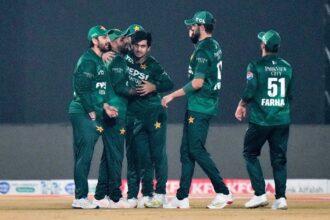
Bangladesh Cricket at the Crossroads: Navigating the Fallout from a Historic Boycott
The decision reverberated through the cricketing world like a thunderclap. The Bangladesh Cricket Board (BCB), in an unprecedented move, announced its national team would boycott the 2026 T20 World Cup, citing grave and unresolved security concerns. This is not a mere scheduling conflict or a political squabble; it is a seismic event that threatens to fracture the foundation of Bangladesh cricket. The boycott represents the boiling over of long-simmering tensions, placing the nation’s cricketing future in a state of profound uncertainty. As the initial shockwaves subside, the pressing question for fans, players, and administrators alike is stark: What comes next for a cricket-mad nation that has chosen to walk away from the game’s grandest stage?
The Anatomy of a Crisis: More Than Just Security
While the official statement points to security as the primary catalyst, experts within the region understand this boycott is a symptom of a far deeper systemic crisis in Bangladeshi cricket. It is the culmination of years of internal friction, administrative challenges, and a growing sense of disillusionment.
Firstly, the security concerns, while legitimate in any global sporting context, are intertwined with a history of perceived inequity in the International Cricket Council’s (ICC) hosting and security protocols. BCB’s drastic action suggests a loss of faith in the system’s ability to guarantee safety, a non-negotiable for any member board.
Beyond security, other critical factors have fueled this fire:
- Financial Disputes & Revenue Sharing: There is a growing discontent among Full Member nations regarding the ICC’s revenue distribution model. Bangladesh’s boycott could be a powerful, if risky, bargaining chip in a larger financial struggle.
- Administrative Instability: Internal governance issues within the BCB have often spilled into the public domain, affecting long-term planning and creating a chaotic environment for player development.
- Player Morale & Pipeline Disruption: For a generation of cricketers, the World Cup is the ultimate dream. Denying them that opportunity could lead to a crisis of motivation and a dangerous talent drain to franchise leagues.
Immediate Repercussions: The ICC’s Dilemma and Sporting Isolation
The immediate fallout is a logistical and reputational nightmare for the ICC. Re-drawing the format for a 20-team tournament is a complex undertaking. The global governing body now faces a delicate balancing act: addressing Bangladesh’s concerns without setting a precedent for boycotts, while also ensuring the tournament’s commercial and sporting integrity remains intact.
For Bangladesh itself, the path leads to potential sporting and commercial isolation. The ICC could impose severe sanctions, including heavy fines and suspension from future events. This would have a catastrophic impact on cricket’s ecosystem in the country. Broadcast deals, sponsorship agreements, and grassroots funding are all tied to the national team’s participation in global events. A prolonged absence would see revenue streams dry up, directly impacting domestic cricket and infrastructure projects.
Furthermore, the legacy of iconic players like Shakib Al Hasan, Tamim Iqbal, and Mushfiqur Rahim—who have been the face of Bangladesh’s rise—risks being overshadowed by this controversy. Their potential farewell from the world stage would be marked not by celebration, but by acrimony.
Charting a Path Forward: Scenarios for BCB’s Next Move
The BCB now stands on a precipice. Its next steps will define Bangladeshi cricket for the next decade. Several potential scenarios could unfold:
Scenario 1: Negotiation and Strategic Retreat
The most likely outcome is a period of intense behind-the-scenes negotiation. The BCB may use the boycott as a blunt instrument to force the ICC to the table, not just on security, but on financial and governance issues. A “face-saving” compromise—perhaps involving third-party security guarantees and assurances on future revenue—could see Bangladesh re-enter the fold before the tournament draw is finalized.
Scenario 2: The Hardline Stance and Its Consequences
If the BCB digs in, the crisis will deepen. The board must then have a concrete domestic survival plan. This would involve:
- Radically boosting investment in the Bangladesh Premier League (BPL) to make it a top-tier global franchise destination, retaining local stars and attracting international talent.
- Securing bilateral series with nations outside the ICC’s Future Tours Programme, potentially aligning with other disgruntled boards.
- Implementing a war chest to support domestic players financially through central contracts, offsetting the loss of ICC revenue.
Scenario 3: Internal Overhaul and Grassroots Rebirth
This crisis could be the catalyst for a painful but necessary internal revolution. The focus could shift inwards, forcing the BCB to fix its own house. A complete administrative overhaul, coupled with a renewed, bankrolled focus on grassroots development and facility upgrades, could be framed as a “reset.” The narrative would change from global participation to building an indomitable domestic system for the future.
The Final Verdict: A Pivotal Moment for the Tigers
The 2026 T20 World Cup boycott is the most significant self-inflicted crisis in Bangladesh’s cricketing history. It is a high-stakes gamble that exposes the fragile nerves running through the sport’s governance. While the immediate pain will be felt by players and fans, the long-term damage—or potential reform—will be determined by the board’s strategy in the coming months.
This is more than a tournament withdrawal; it is a statement of defiance and a cry for systemic change. The BCB has lit a fuse. Whether it leads to an explosion that fragments the game further or forces a necessary conversation that strengthens it, remains to be seen. One thing is certain: the world is watching. The future of Bangladesh cricket hinges not just on negotiations in boardrooms, but on whether its administrators can transform this moment of profound crisis into a legacy of genuine, sustainable progress. The roar of the Tiger has never been so uncertain, or so consequential.
Source: Based on news from India Today Sport.
Image: CC licensed via www.publicdomainpictures.net