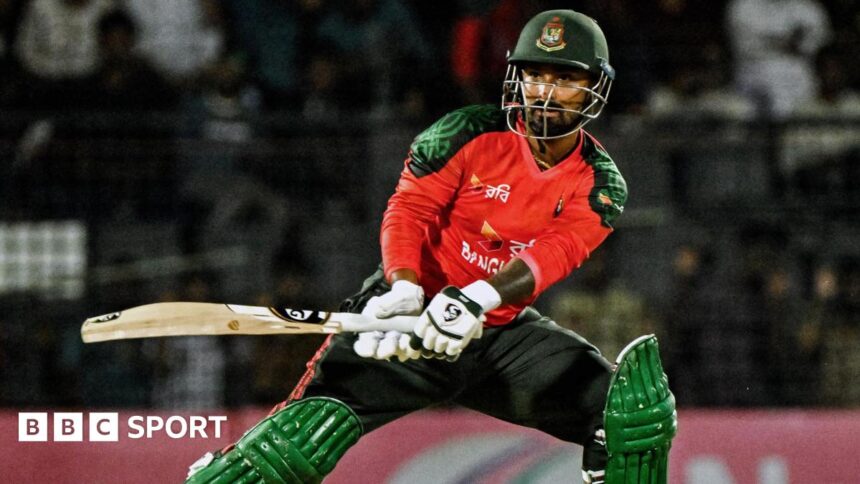
Bangladesh Cricket in Crisis: Player Boycott Threatens T20 World Cup and Exposes Deep-Running Tensions
The very fabric of Bangladesh cricket is under unprecedented strain. In a dramatic escalation of tensions between players and administrators, the nation’s top cricketers have initiated a total boycott of all cricket, bringing the lucrative Bangladesh Premier League (BPL) to a grinding halt and casting a dark shadow over the country’s participation in the upcoming T20 World Cup. This seismic move, triggered by inflammatory comments from a board official, has exposed deep-seated financial anxieties and political undercurrents, plunging the sport into its most severe crisis in recent memory.
The Spark That Ignited the Firestorm: A Director’s Costly Comments
At the heart of the boycott lies a statement from Bangladesh Cricket Board (BCB) director M Nazmul Islam that has been perceived as a profound betrayal by the playing corps. Speaking in his capacity as chair of the BCB’s financial committee, Nazmul Islam suggested that players should bear the financial burden if Bangladesh were to withdraw from the 2024 T20 World Cup in India due to political tensions between the two nations. This remark, viewed as a direct threat to player incomes and a shirking of board responsibility, was the final straw for a group already navigating the pressures of professional sport.
The BCB’s swift removal of Nazmul Islam from his financial committee role was a clear damage-control exercise, but it proved too little, too late. The players’ collective action demonstrates a new level of unity and assertiveness, moving beyond individual grievances to a systemic challenge. Their boycott isn’t just about one official’s words; it’s a protest against a culture where player welfare and financial security can be so casually jeopardized in public discourse.
Immediate Fallout: BPL Paralyzed, World Cup in Peril
The consequences of the boycott were instantaneous and severe. Both of Thursday’s BPL matches were postponed indefinitely, throwing the league’s schedule, commercial commitments, and fan engagement into chaos. The BPL, a cornerstone of Bangladesh’s cricket economy and a vital platform for local talent, now faces an existential threat. This league stoppage represents a significant financial blow to the BCB, franchises, broadcasters, and countless ancillary workers.
More alarmingly, the national side’s participation in February’s T20 World Cup is now in serious doubt. With players refusing to engage in any cricket-related activities, preparation for the global tournament is impossible. The timing is catastrophic. The BCB had just named a dynamic new leadership team, with the talented Litton Das appointed captain for the 2026 T20 World Cup cycle, signaling a forward-looking vision. Now, that vision lies in tatters, overshadowed by a battle for respect and contractual security.
- BPL Disruption: League schedule in disarray, commercial and broadcast deals threatened.
- World Cup Preparation Halted: Zero training or planning possible during boycott.
- Financial Ripple Effect: Losses extend beyond the board to players, staff, and local businesses.
- Leadership Void: New captain Litton Das’s tenure begins amidst unprecedented turmoil.
Expert Analysis: Beyond the Boycott – A Clash of Ideologies
This crisis is not an isolated incident but a symptom of evolving dynamics in modern cricket. Experts point to several underlying factors:
The Professional Player vs. The Administrative Mindset: Bangladesh’s cricketers, like their global counterparts, are now full-fledged professionals whose careers are short and precarious. Comments suggesting they foot the bill for geopolitical decisions reflect an archaic view of players as board assets rather than partners. The boycott is a forceful assertion of their professional rights.
The Political Football: The reference to withdrawing from the World Cup in India due to political tensions between Bangladesh and host nation India adds a volatile layer. It raises questions about the extent to which cricket is being leveraged for political posturing and, crucially, who is expected to pay the price for those maneuvers. Players are rightly refusing to be the financial casualties of geopolitical friction.
The Power of Collective Action: The unified stance of the players, across all formats and seniority levels, is perhaps the most significant development. It shows a maturity and cohesion within the players’ association that can no longer be ignored by the administration. This collective power will redefine future negotiations on central contracts, revenue sharing, and policy-making.
Predictions and Pathways to Resolution
The path forward is fraught, but not impassable. Several scenarios could unfold from this standoff:
Most Likely (The Negotiated Settlement): The BCB, facing immense pressure from sponsors, the ICC, and the public, will be forced to the negotiating table. A resolution will likely involve not just an apology, but concrete guarantees. We can expect:
- A formal, written assurance on player payments and financial protections.
- A restructuring of communication protocols between board officials and players.
- Potentially, a greater formal role for the players’ association in decision-making processes that affect them directly.
High Risk (The Protracted Standoff): If talks break down, the boycott could extend, making World Cup participation impossible. This would be a disaster for all parties—tarnishing Bangladesh’s reputation, costing the BCB millions, and depriving a generation of players of a World Cup stage. The long-term damage to fan trust and commercial appeal would be immense.
Wildcard (Structural Overhaul): This crisis could act as a catalyst for a much-needed modernization of the BCB’s governance. It may prompt a review of director appointments, financial transparency, and the overall relationship model with players, moving it towards a more collaborative, professional partnership seen in boards like England or New Zealand.
A Watershed Moment for Bangladesh Cricket
The boycott of all forms of cricket by Bangladesh’s players is more than an industrial dispute; it is a watershed moment. It signals the end of an era where players would silently absorb administrative mismanagement and rhetorical disrespect. The core issue is one of dignity, security, and partnership. While the immediate focus is on salvaging the BPL and the T20 World Cup campaign, the true resolution must address the systemic rot that allowed such a comment to be made in the first place.
The appointment of Litton Das as a captain for the future now comes with an unexpected first task: leading his peers through one of the most challenging off-field periods in Bangladesh cricket history. How the BCB responds will define its legacy. Will it cling to old hierarchies, or will it embrace a new, professional partnership with its most valuable asset—the players? The world is watching, and the future of cricket in this passionate nation hangs in the balance.
Source: Based on news from BBC Sport.